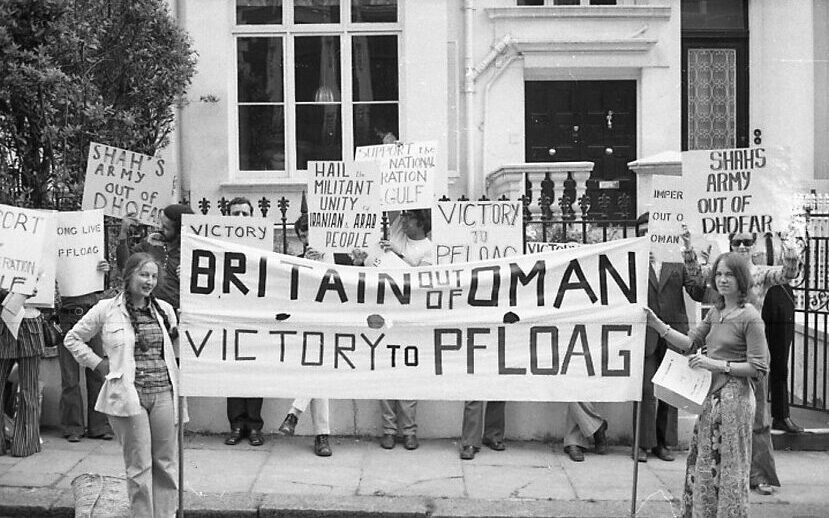
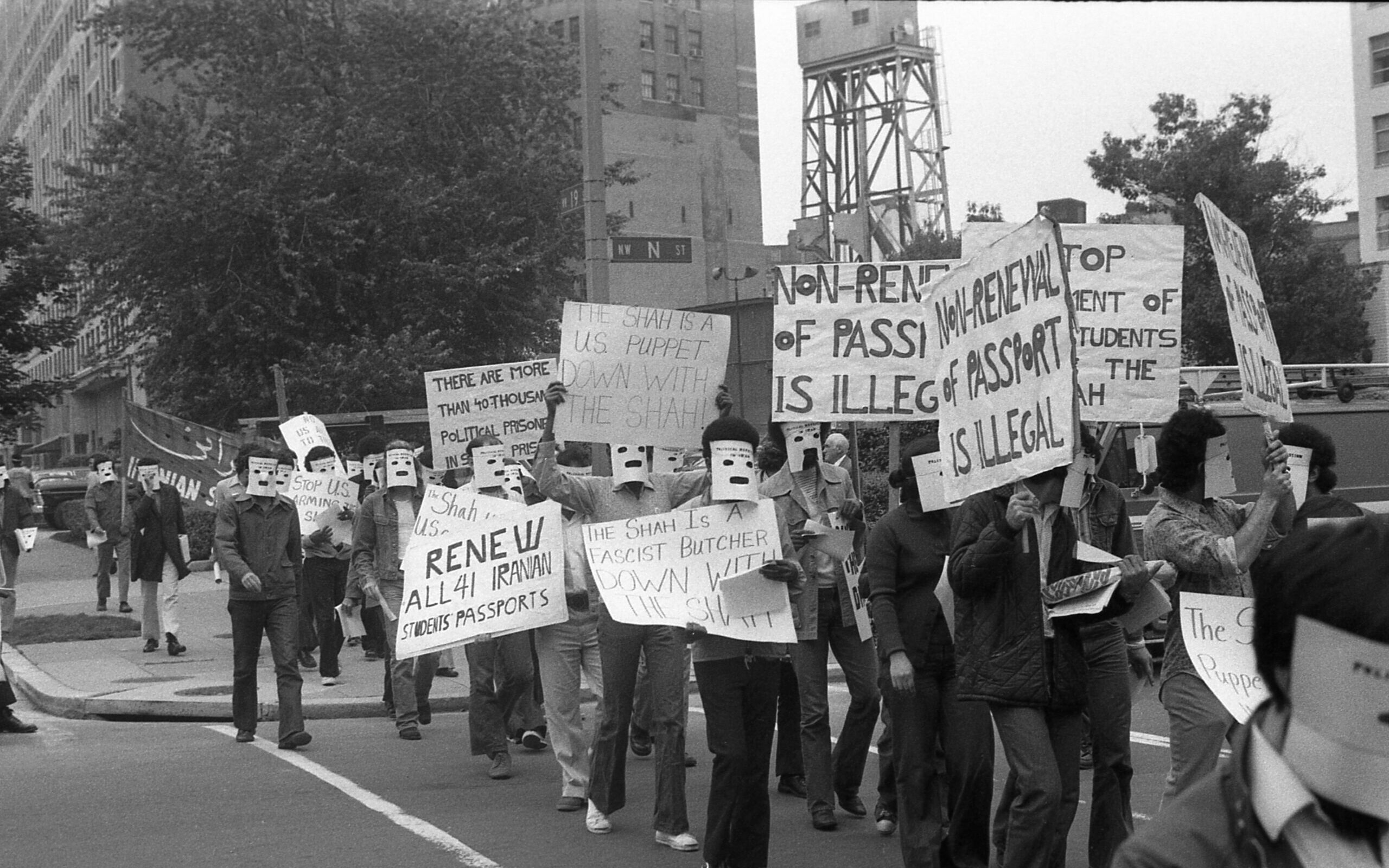
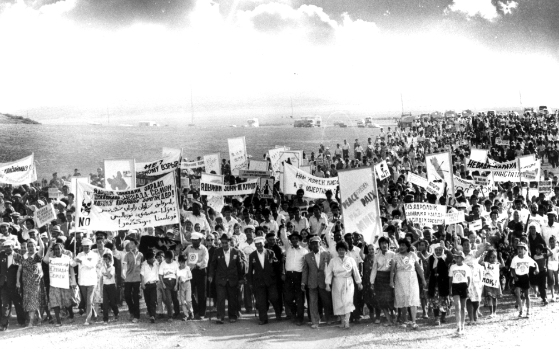
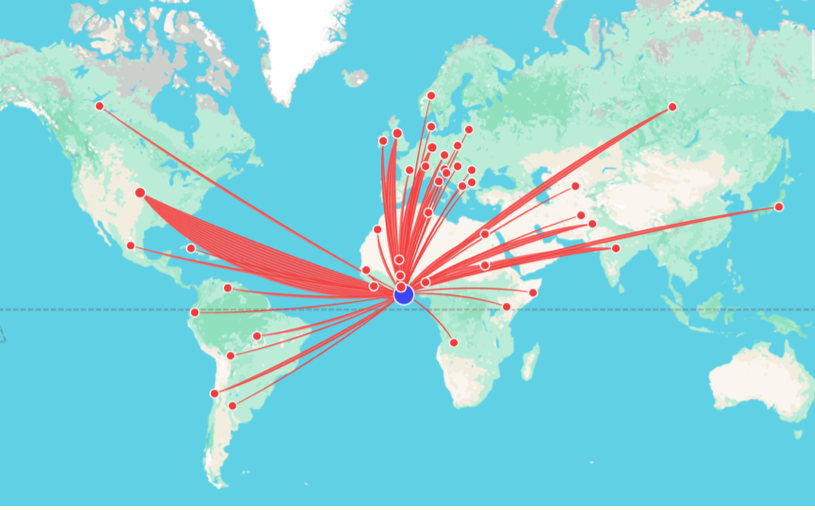
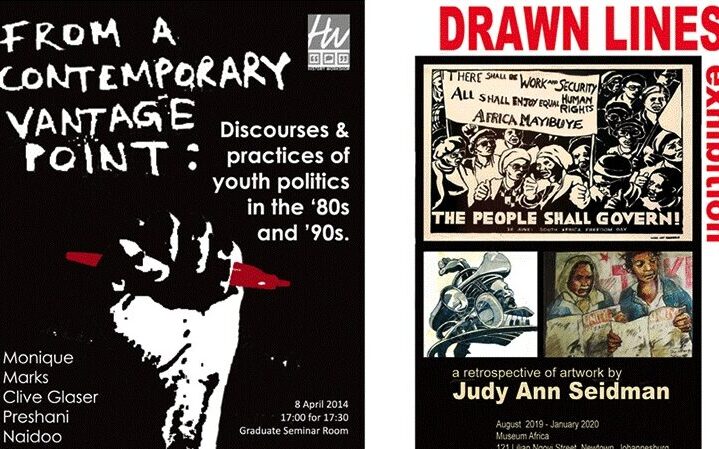
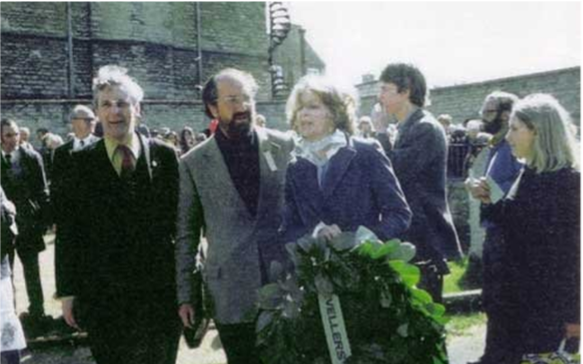
What does the archive of a former activist reveal about solidarity practices in the 1970s? James Downs explores the networks and activities of the Solidarity Committees supporting liberation movements in the Gulf.
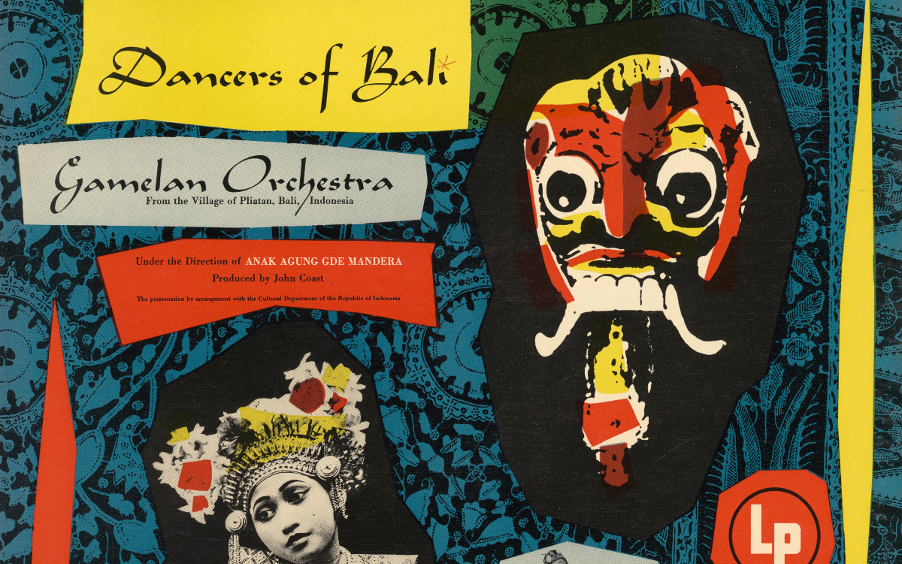
How did global connections shape the sounds of the 1950s and 1960s in the decolonising world? Su Lin Lewis and Ben GJ Thomas explore the relationship between music and internationalism in post-colonial Southeast Asia.
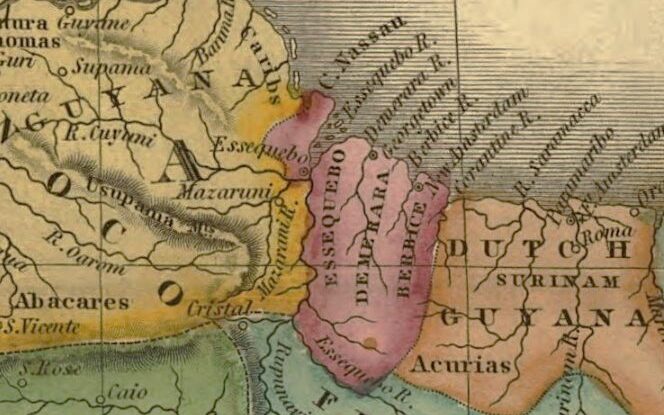
In the early nineteenth century, the British Empire attempted to reform the institution of slavery. Sascha Auerbach explores how enslaved people used this new political landscape to advocate for legal rights.
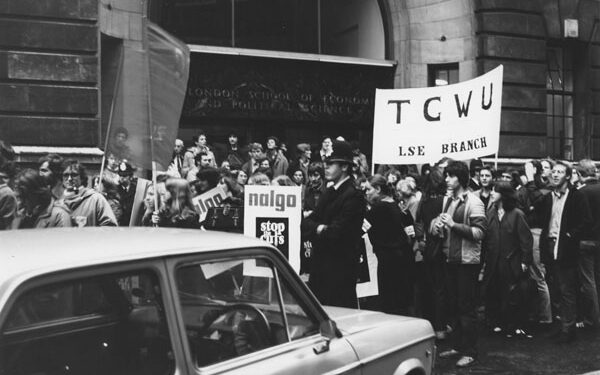
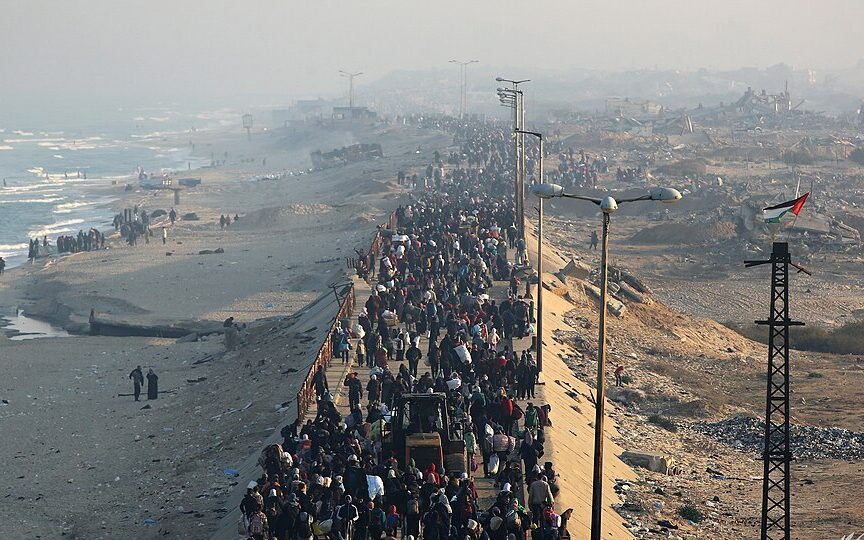
How might mass politics and direct action work together? Martin Shaw reflects on his experience in the student protests and antinuclear movement of the 1960s to the Palestine solidarity campaign of the 2020s.
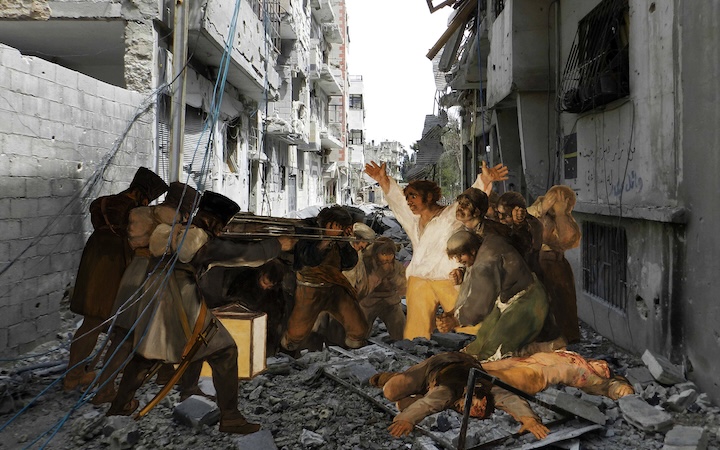
How have various radical and internationalist traditions attempted to overcome forms of domination and build alternative, emancipatory futures? Marral Shamshiri introduces a new History Workshop series.
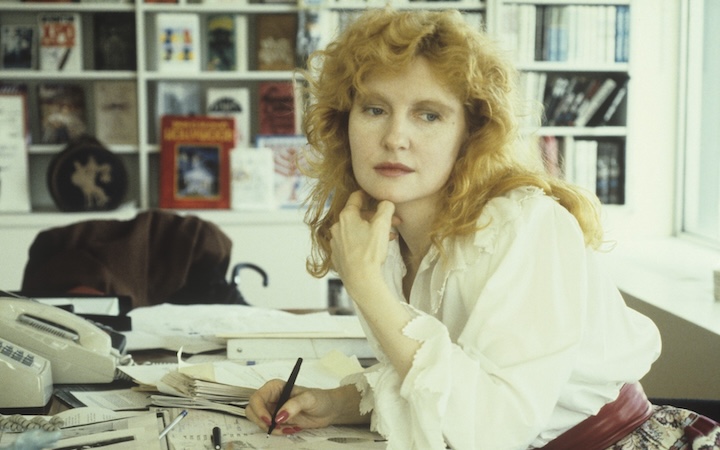
How did a radical feminist study of the politics of orgasm become a global best-seller - and then disappear? Rosa Campbell explores the life and legacy of the renegade sexologist Shere Hite.
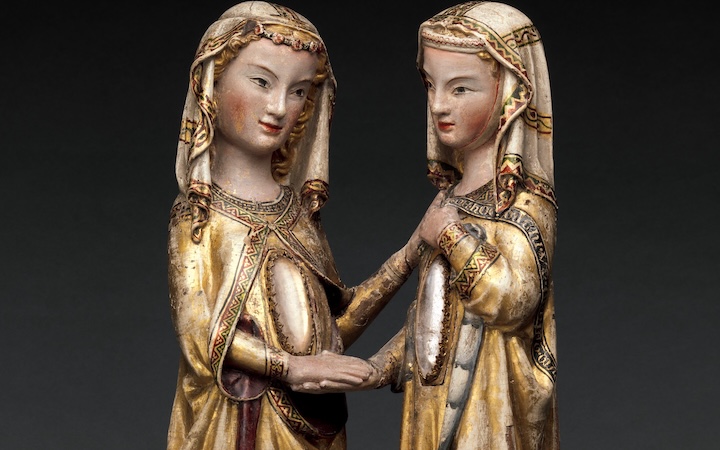
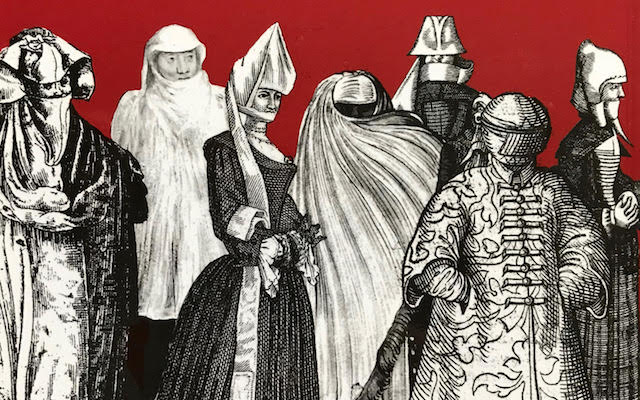
What can we learn by turning a queer lens onto the study of medieval art? Three art historians discuss Spectrum of Desire, an exhibition at New York's Cloisters.
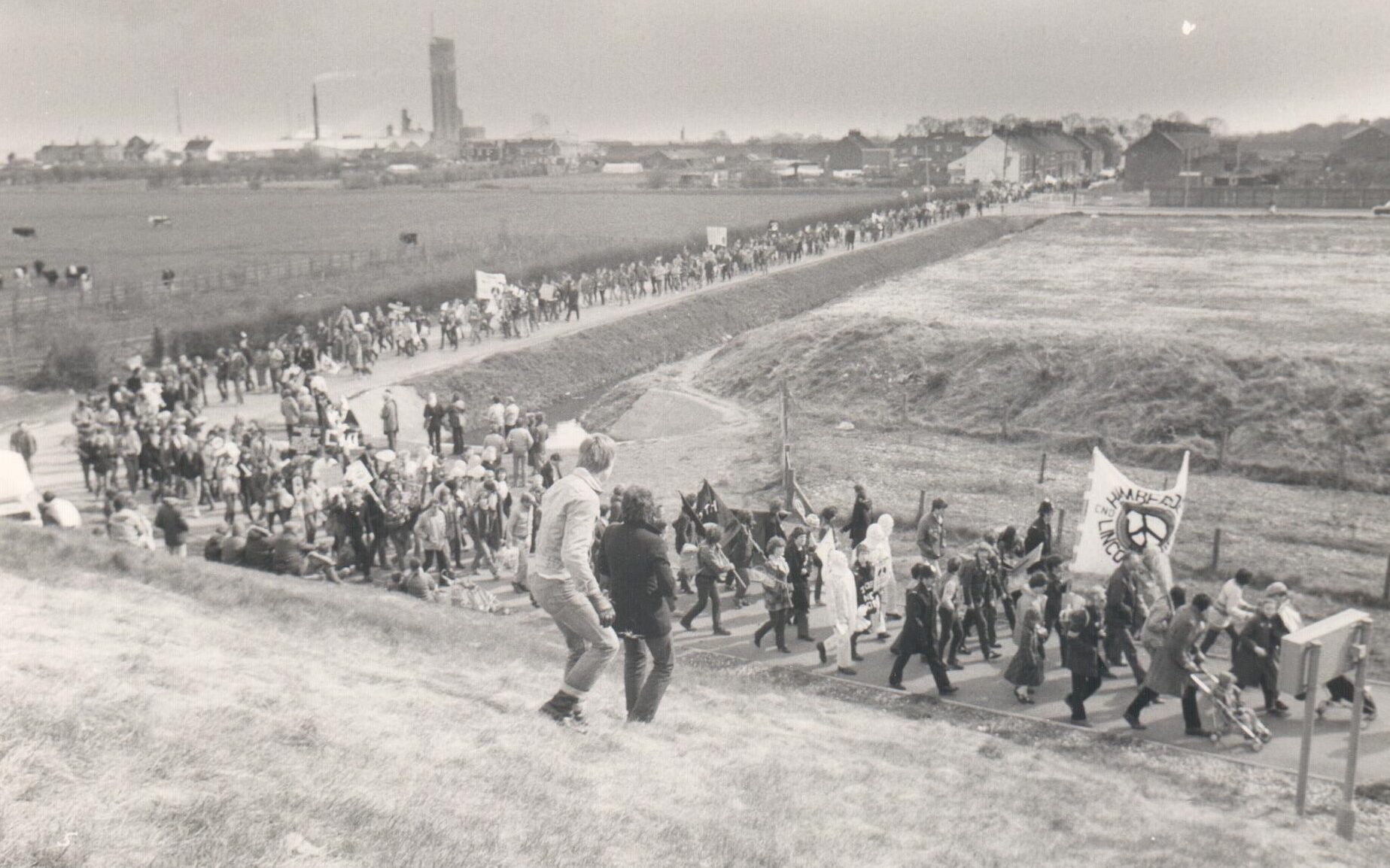
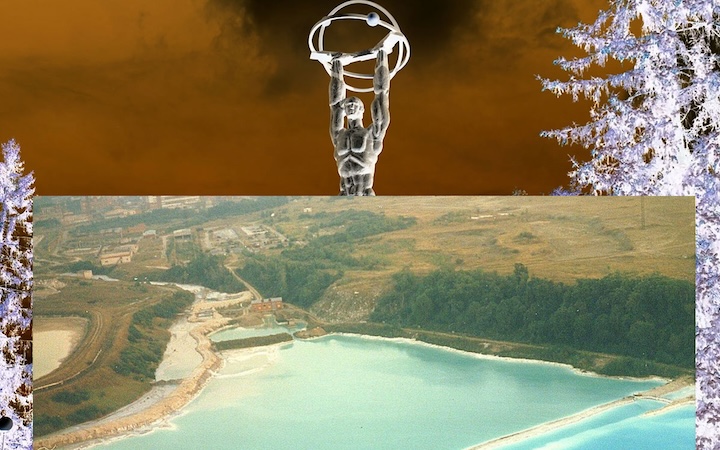
What can a Kazakh anti-nuclear movement reveal about forms of peace and internationalism forged from both above and below? Kamila Smagulova on the Nevada-Semipalatinsk campaign.
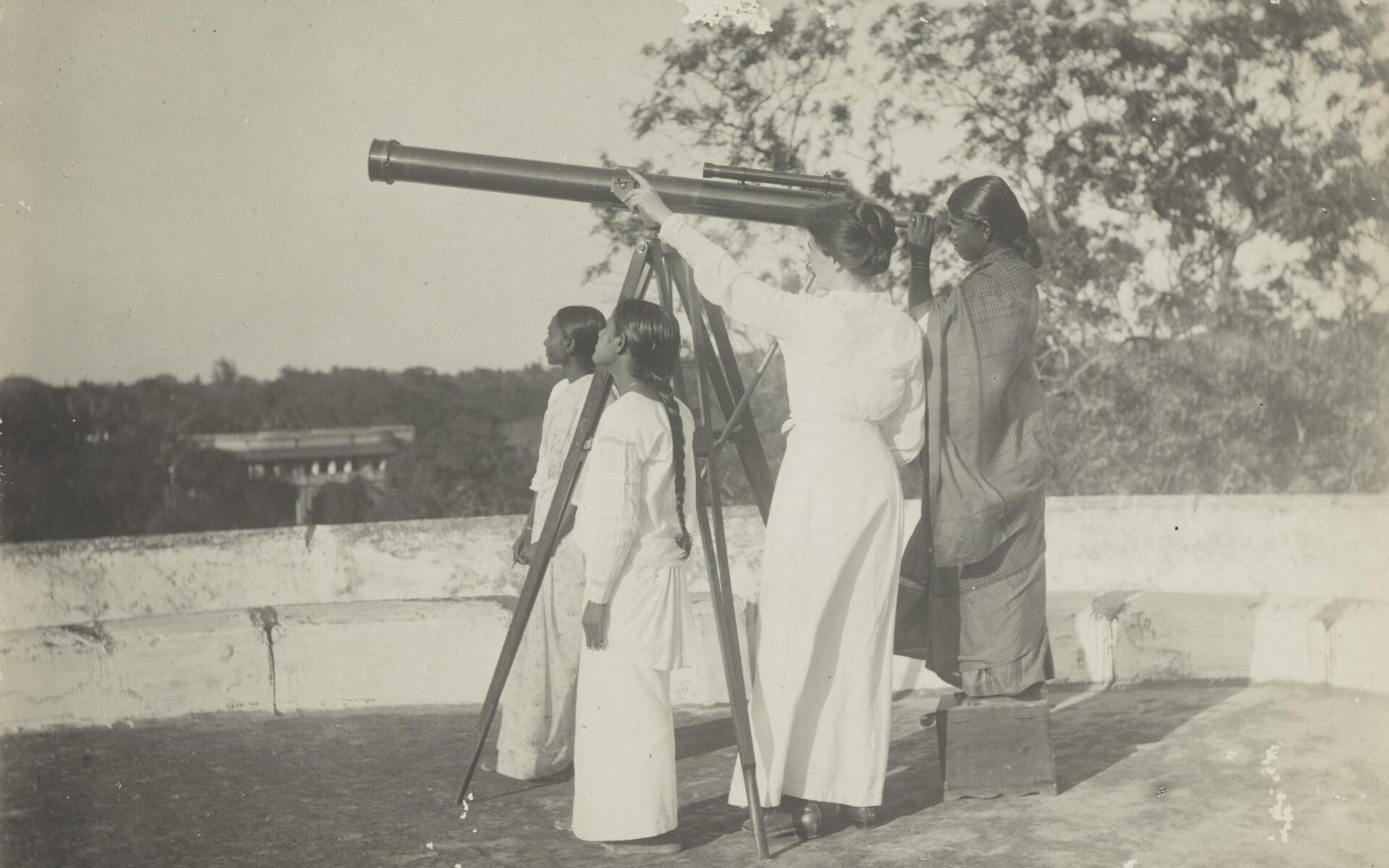
What do frictions in the founding story of a missionary women's college reveal about Indian women's struggles for education and internationalism? Sneha Krishnan on the Women's Christian College in colonial India.
Whose lives count in the modern history of extinction? Sadiah Qureshi considers what historians can learn by paying attention to the remarkable lives of plants.
Throughout modern history, overseas students have neither been entirely rejected nor genuinely accepted. Nilakshi Das examines this discourse as it shifted over time.
Three of our past and present editors reflect on the ways in which History Workshop Journal has influenced and inspired their practice during their time on the History Workshop collective.
History Workshop editors share their reflections on the radical books and films which have compelled them, fascinated them, and moved them throughout 2025.
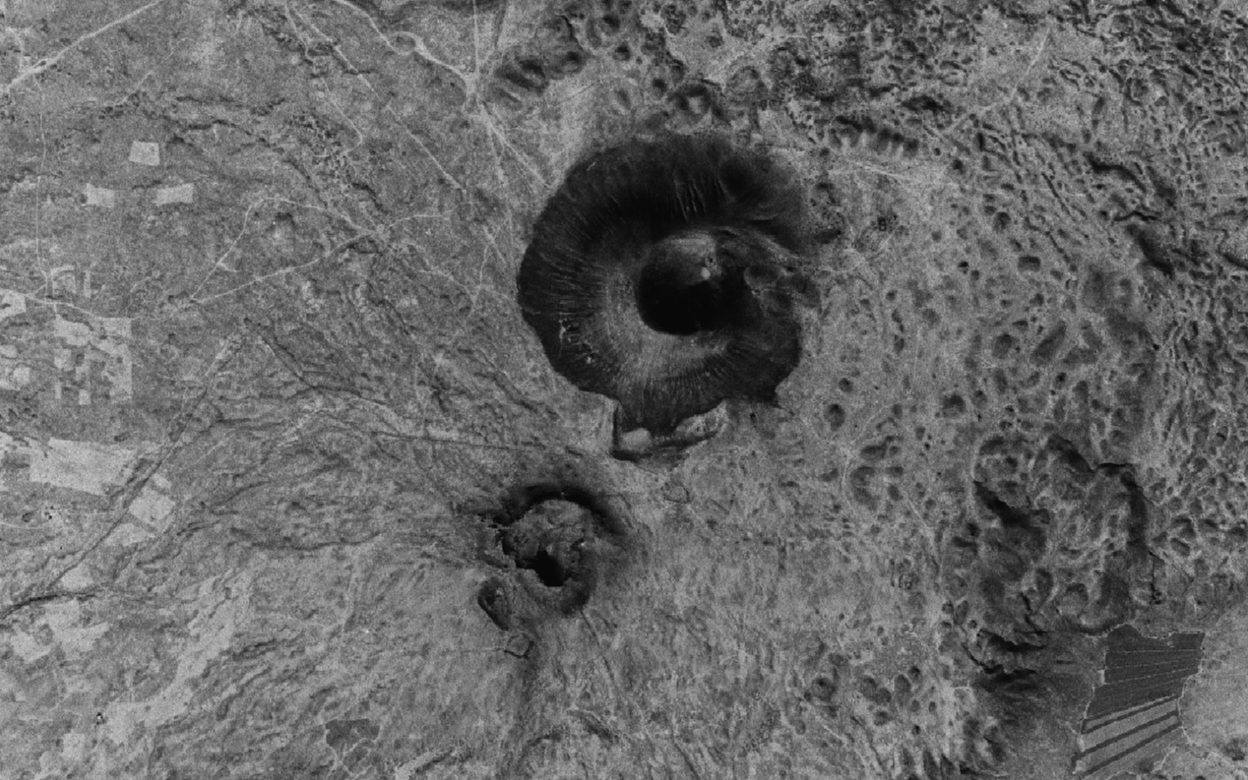
When archaeology served empire, what did it see? Benjamin Thomas White explores the history of aerial archaeology and its relationship with colonial surveillance.
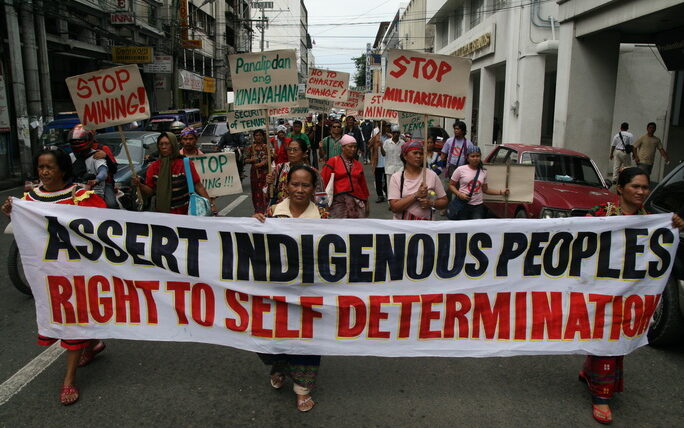
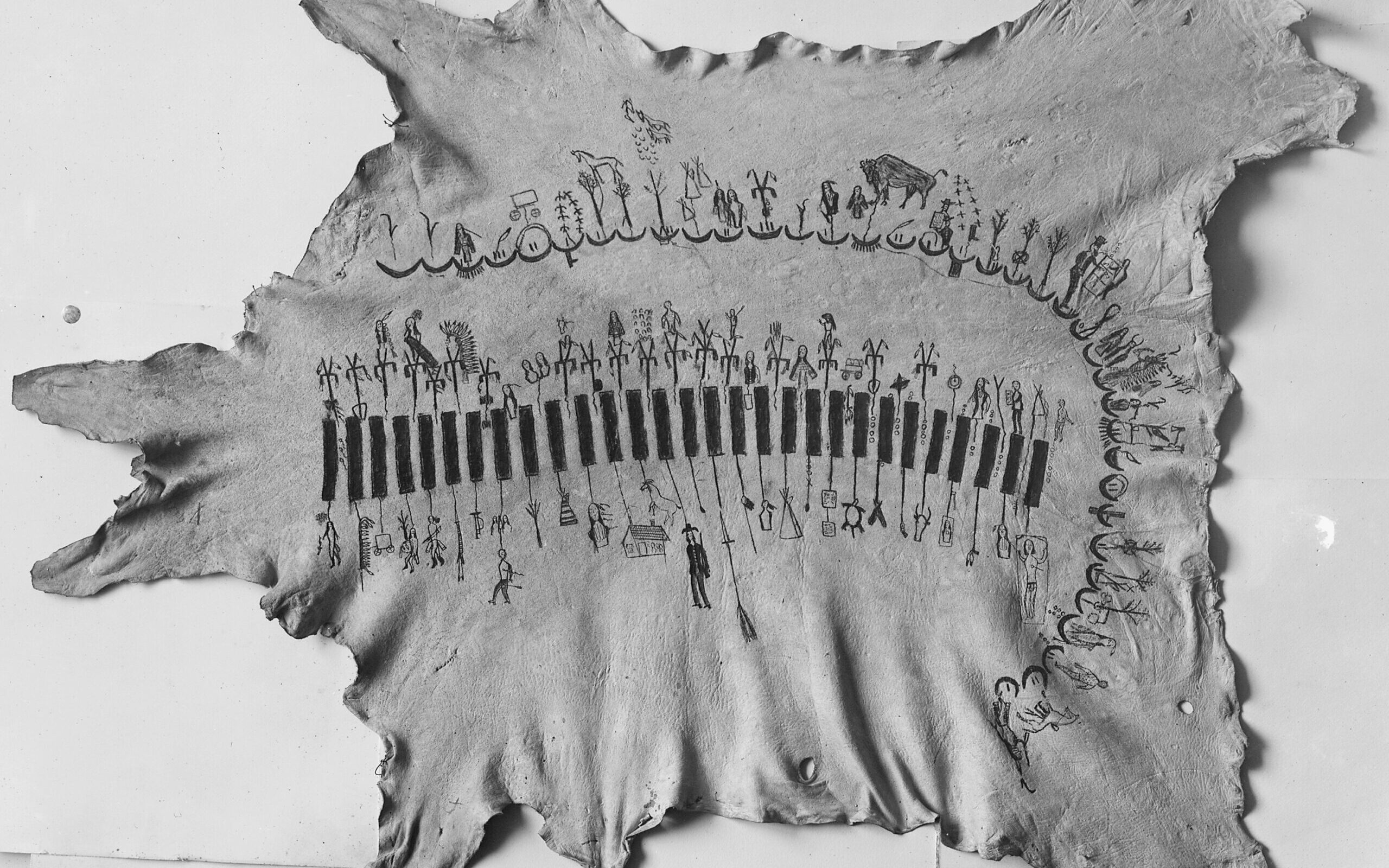
How can we better approach the histories of Indigenous peoples? Mary Katherine Newman introduces a
new History Workshop series on Indigenous historical methods.