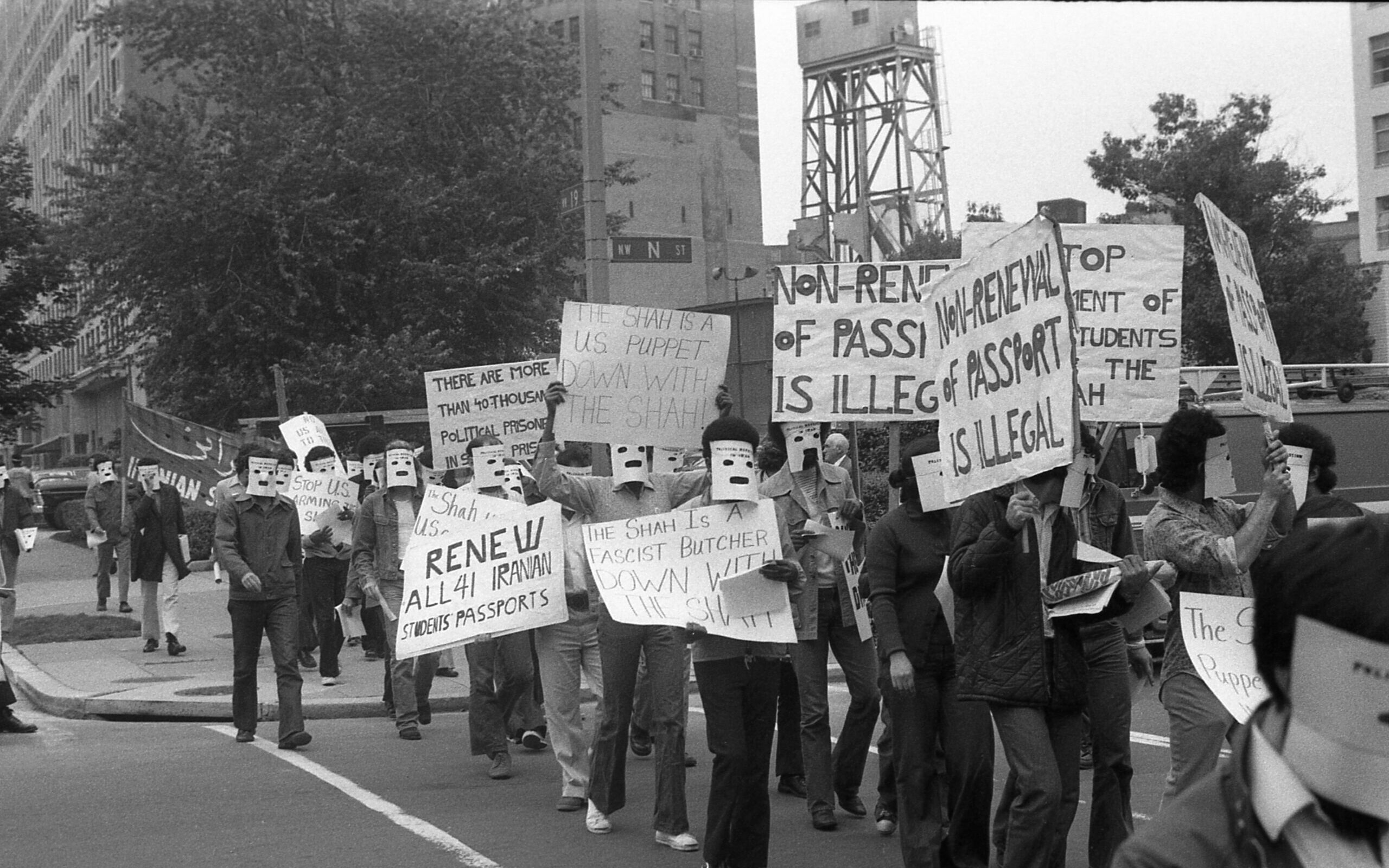
Transforming the world around us begins with learning to see and inhabit it differently. Shahrzad Mojab reflects on her political education in the 1970s Iranian student movement in the United States.
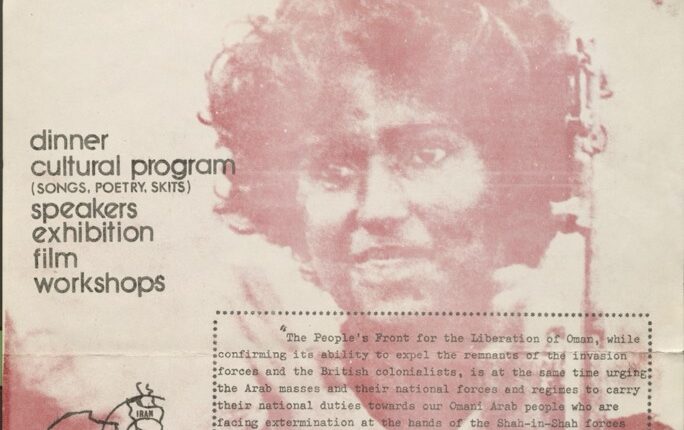
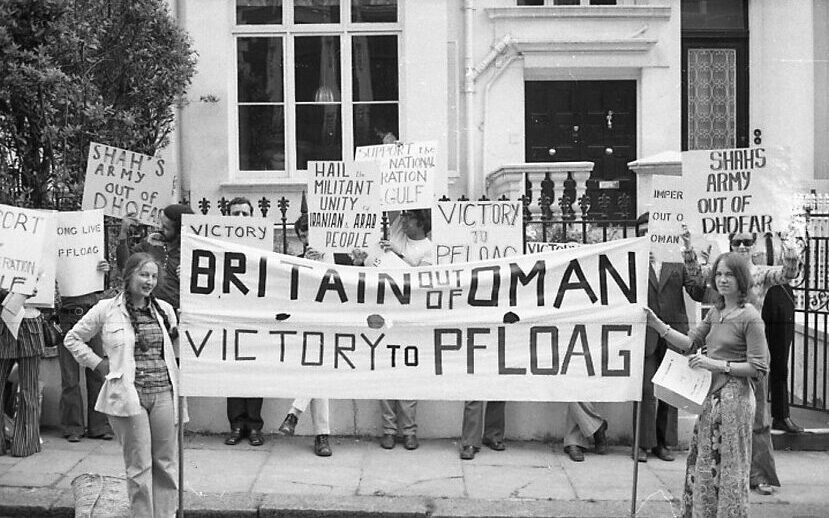
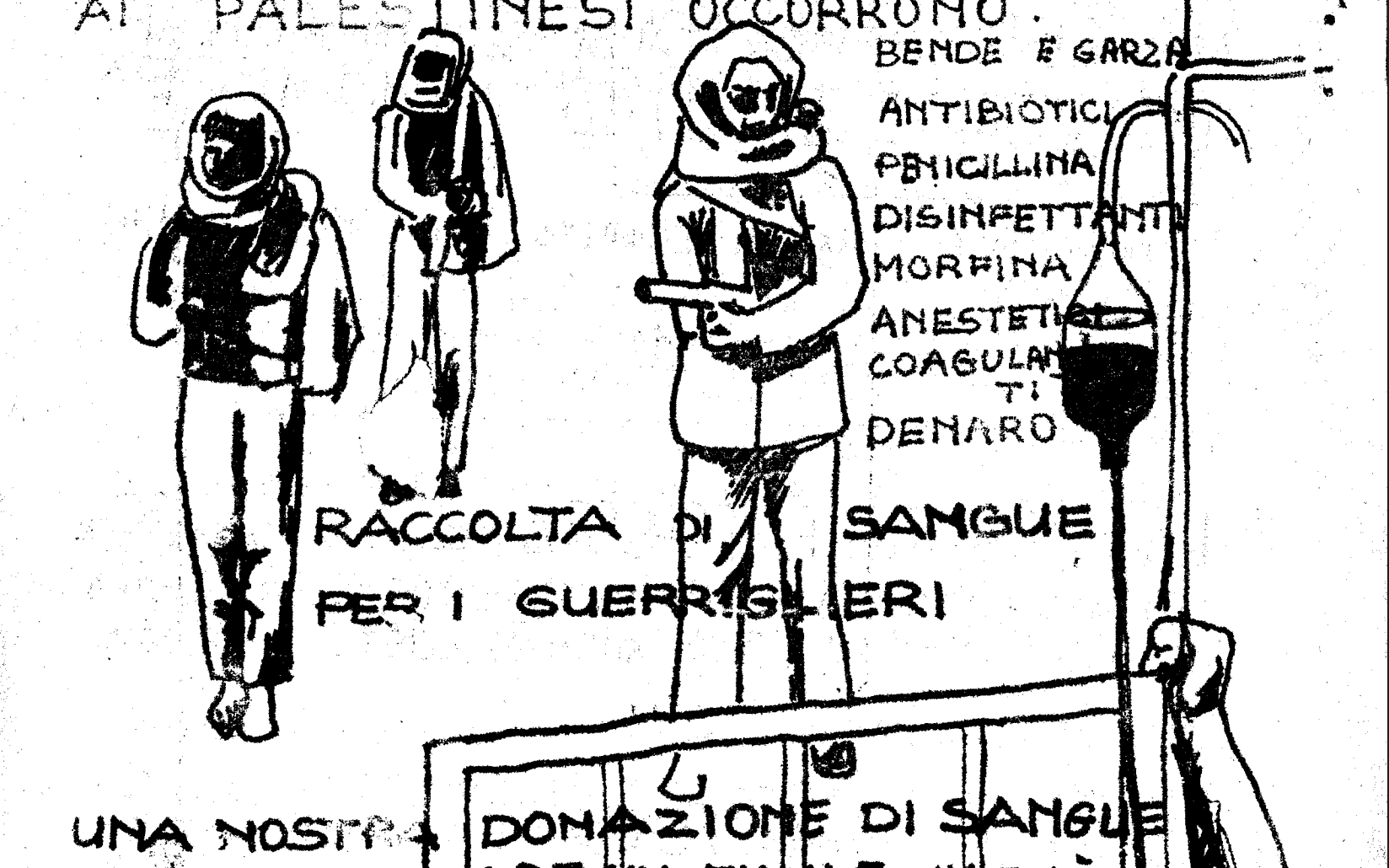
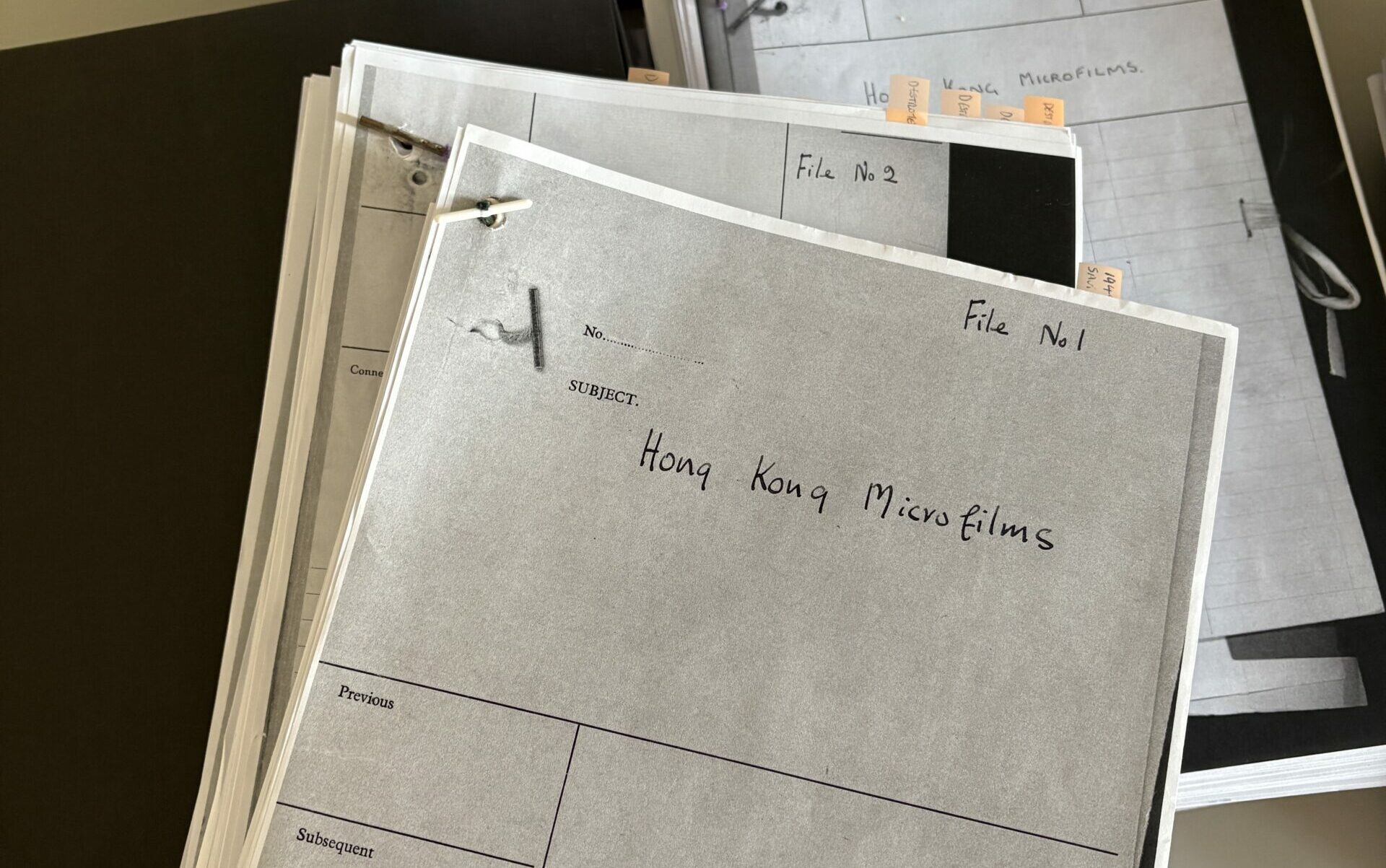
What does the archive of a former activist reveal about solidarity practices in the 1970s? James Downs explores the networks and activities of the Solidarity Committees supporting liberation movements in the Gulf.
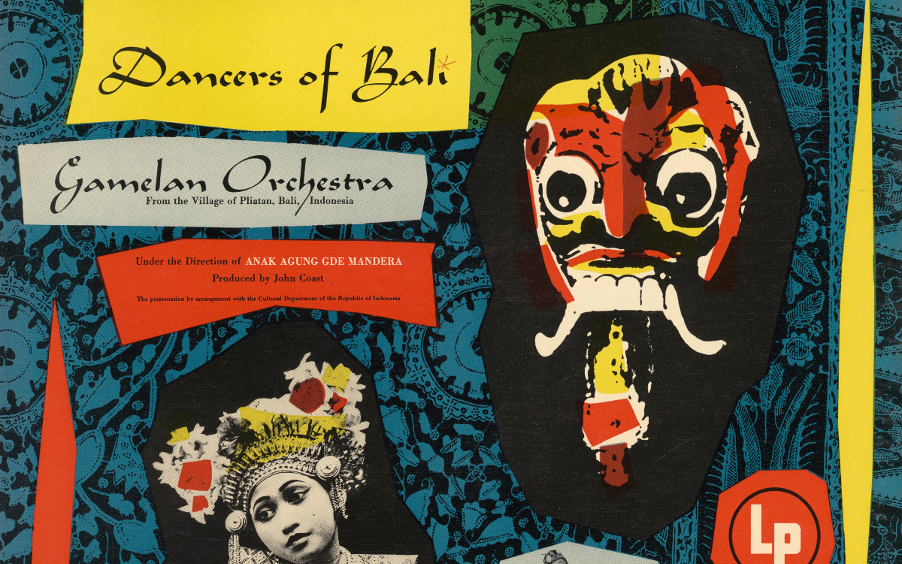
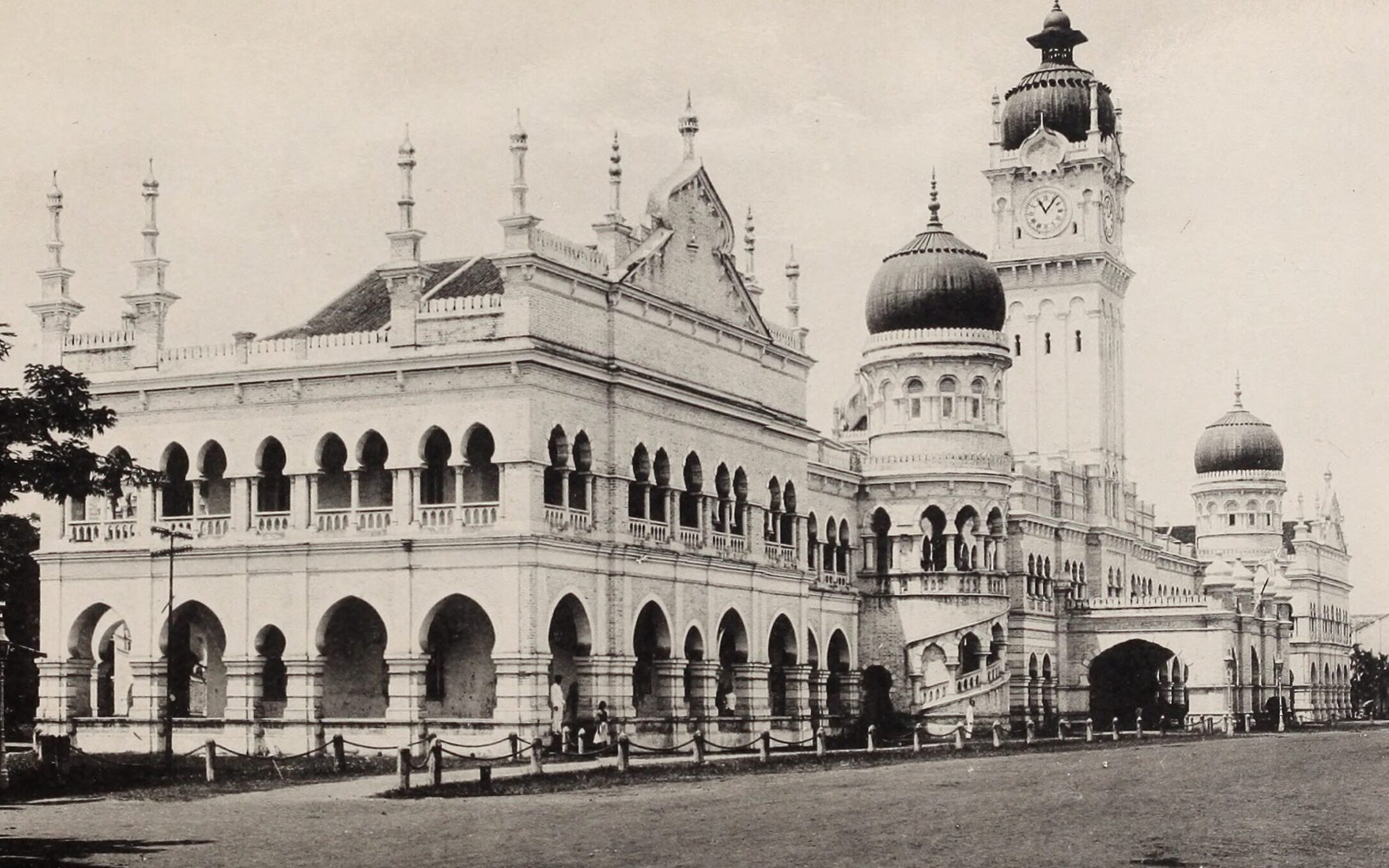
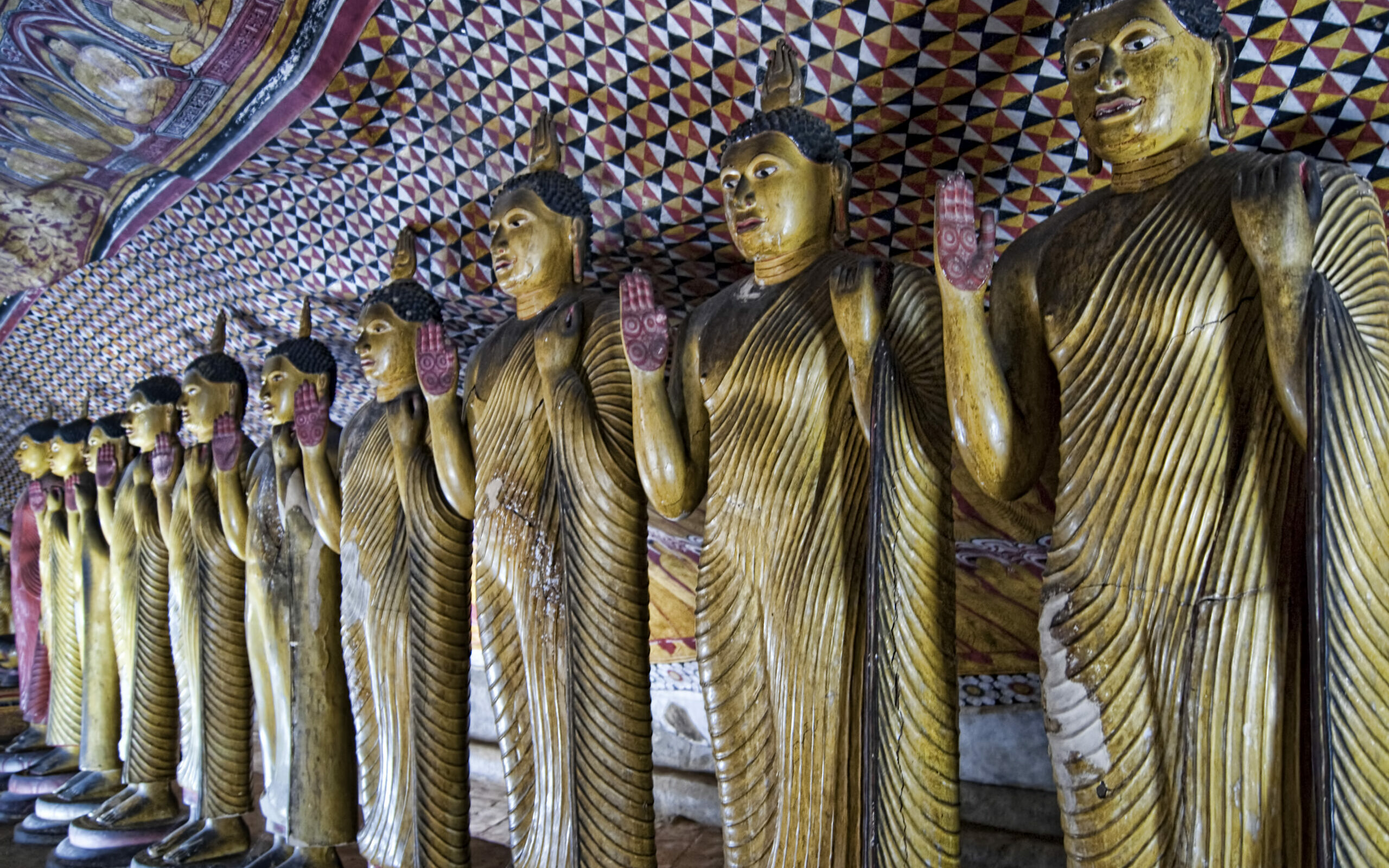
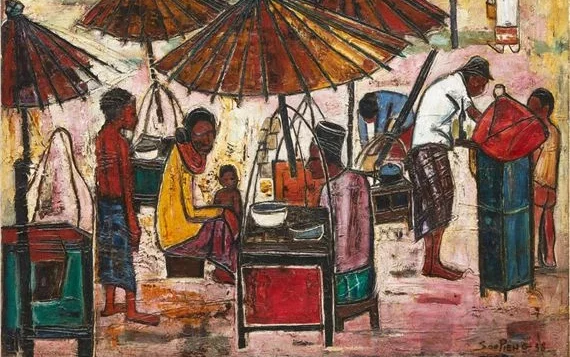
How did global connections shape the sounds of the 1950s and 1960s in the decolonising world? Su Lin Lewis and Ben GJ Thomas explore the relationship between music and internationalism in post-colonial Southeast Asia.
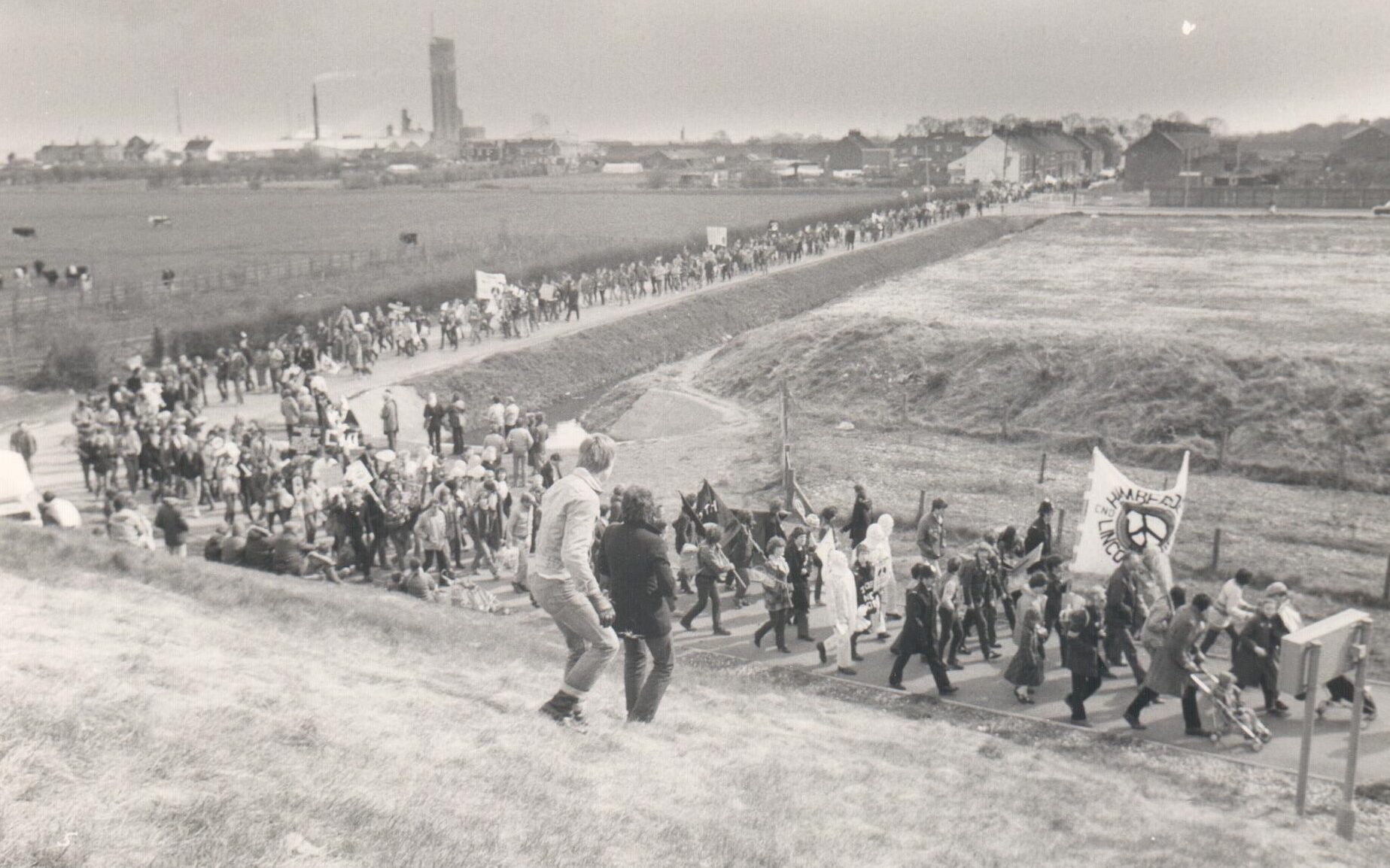
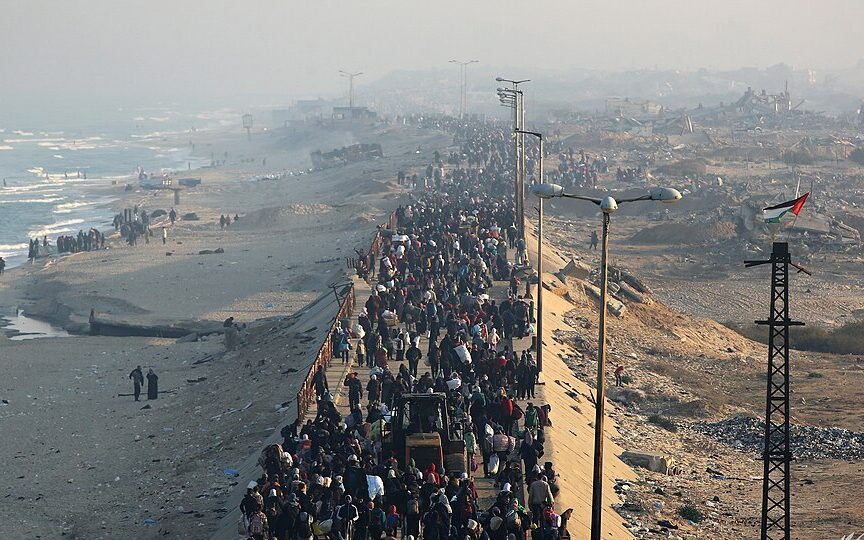
How might mass politics and direct action work together? Martin Shaw reflects on his experience in the student protests and antinuclear movement of the 1960s to the Palestine solidarity campaign of the 2020s.
How have various radical and internationalist traditions attempted to overcome forms of domination and build alternative, emancipatory futures? Marral Shamshiri introduces a new History Workshop series.
What can a Kazakh anti-nuclear movement reveal about forms of peace and internationalism forged from both above and below? Kamila Smagulova on the Nevada-Semipalatinsk campaign.
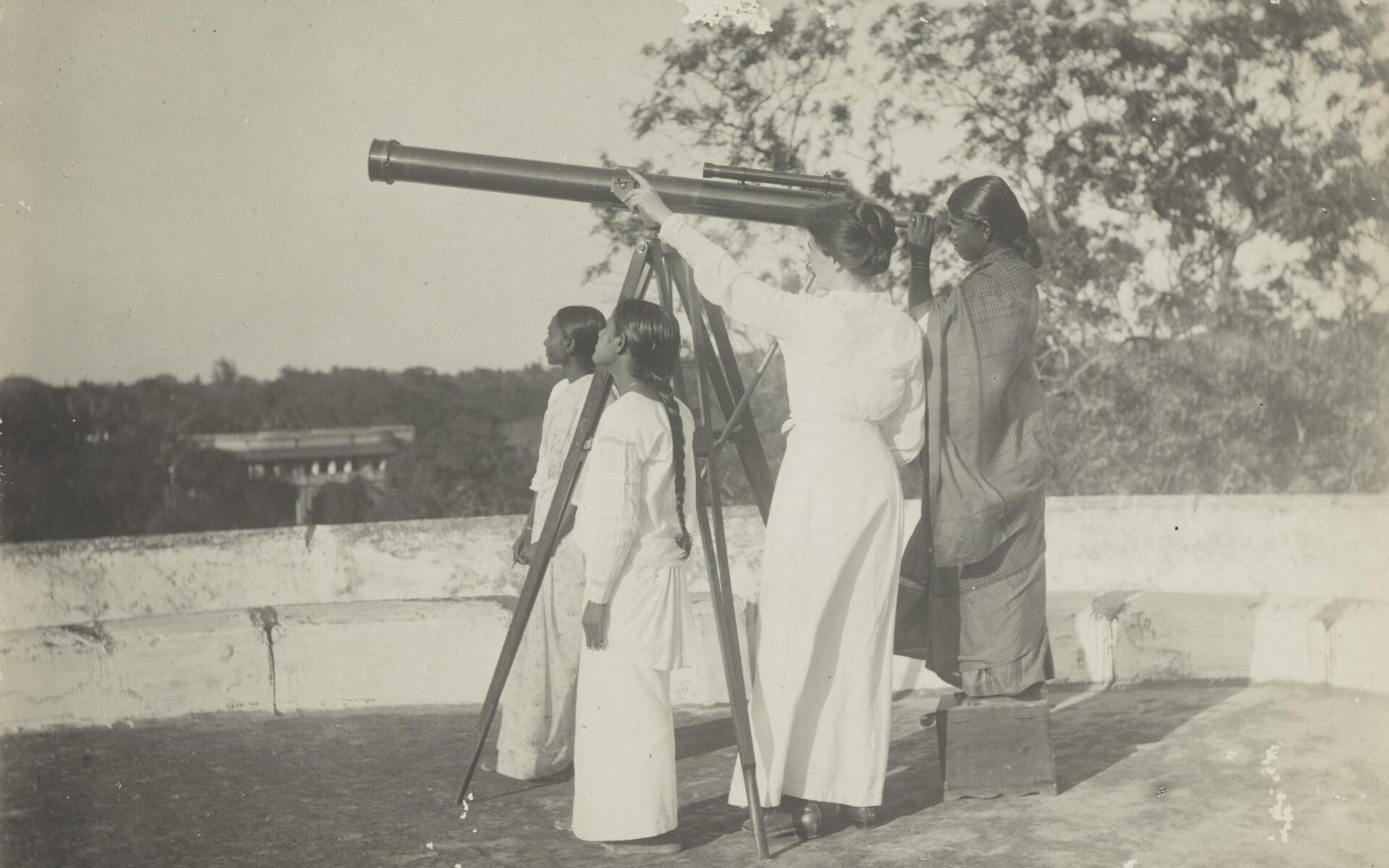
What do frictions in the founding story of a missionary women's college reveal about Indian women's struggles for education and internationalism? Sneha Krishnan on the Women's Christian College in colonial India.
How did radical women navigate Bengal's 'age of fire'? Oyeshi Ganguly explores what oral history can tell us about the female revolutionaries who took up arms against British rule.
Three of our past and present editors reflect on the ways in which History Workshop Journal has influenced and inspired their practice during their time on the History Workshop collective.
History Workshop editors share their reflections on the radical books and films which have compelled them, fascinated them, and moved them throughout 2025.
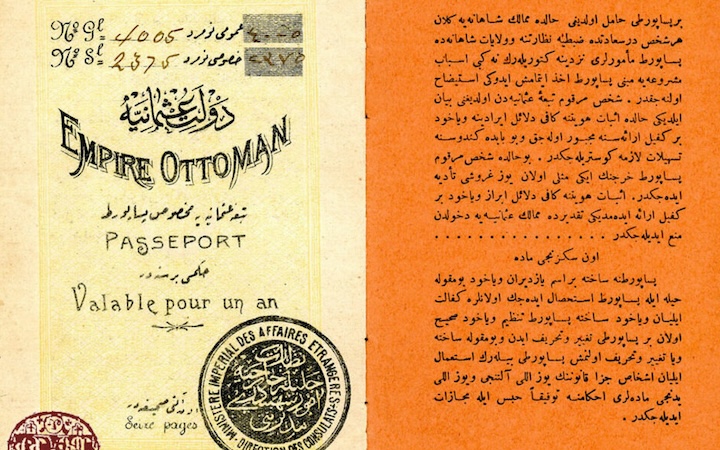
Vipin Krishna explores how colonial officials in nineteenth-century India turned linguistics into a tool for classification, surveillance, and control.
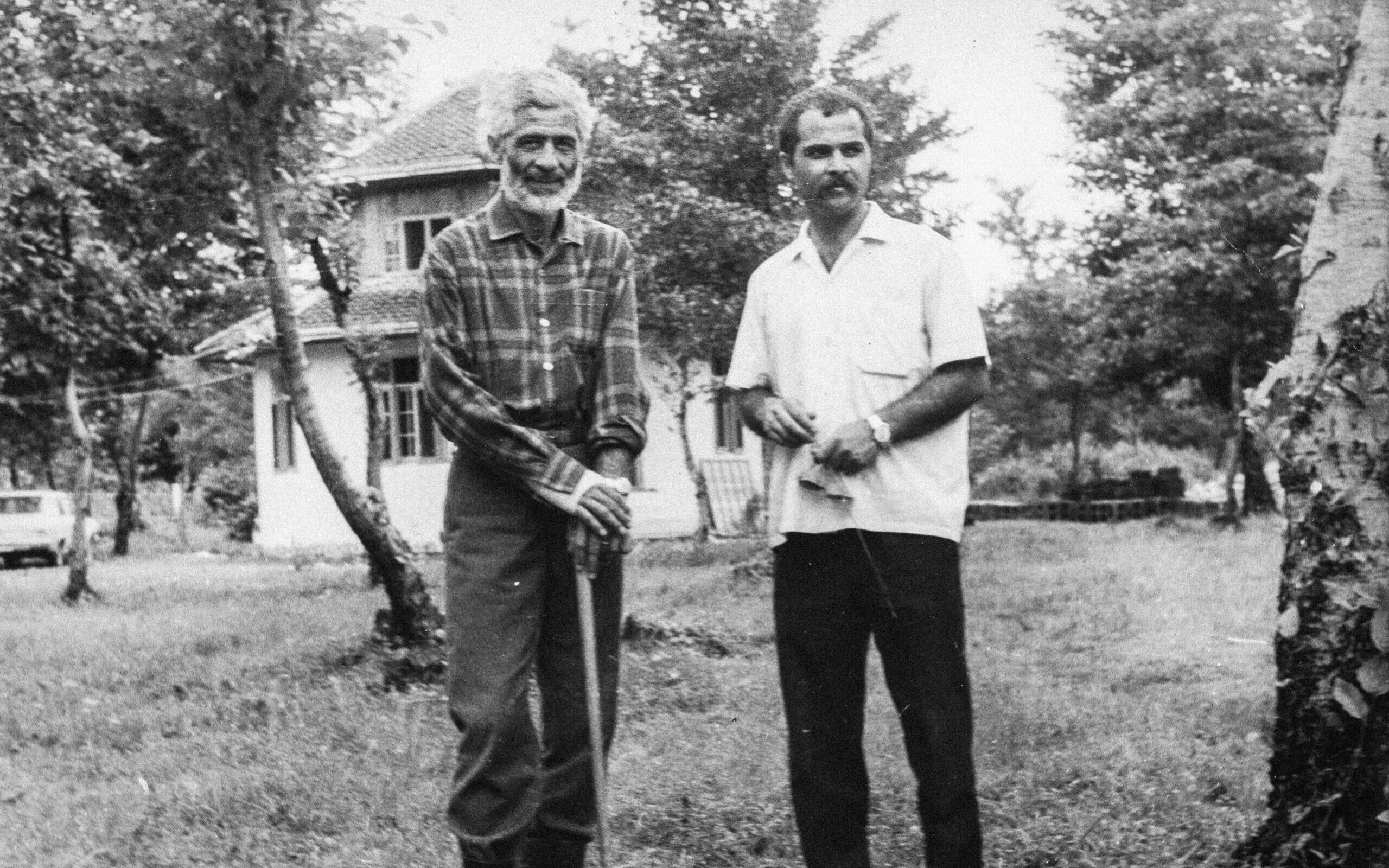
Can the neglected anticolonial visions of Third World Marxist revolutionaries speak to our current moment? Peyman Vahabzadeh on Iran's 1970s radical, Mostafa Sho'aiyan.
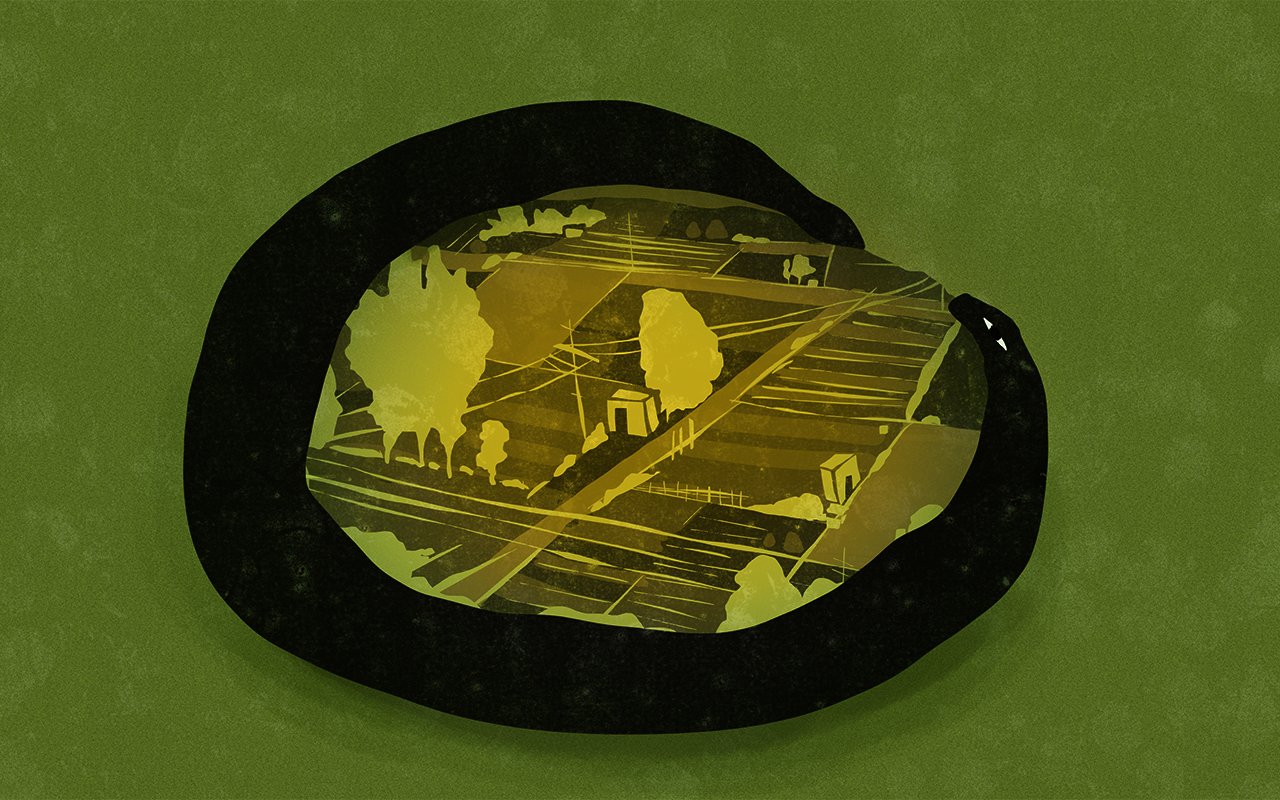
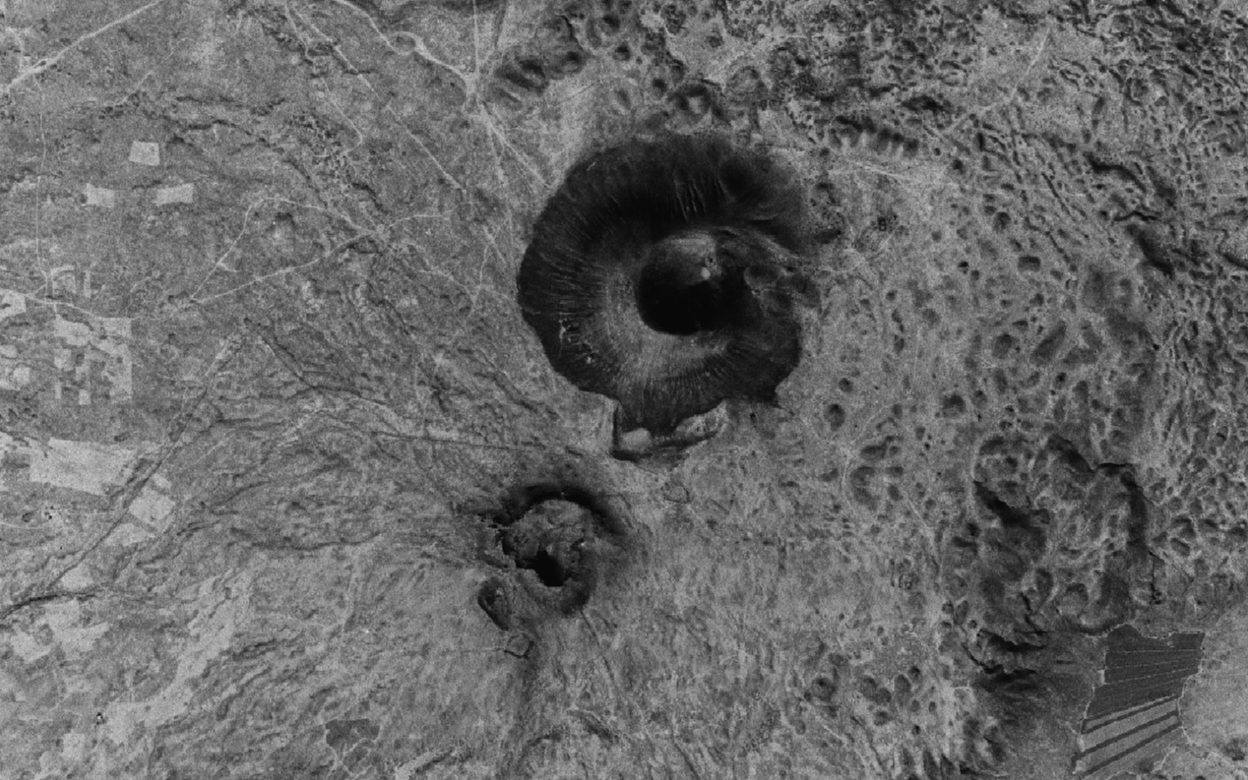
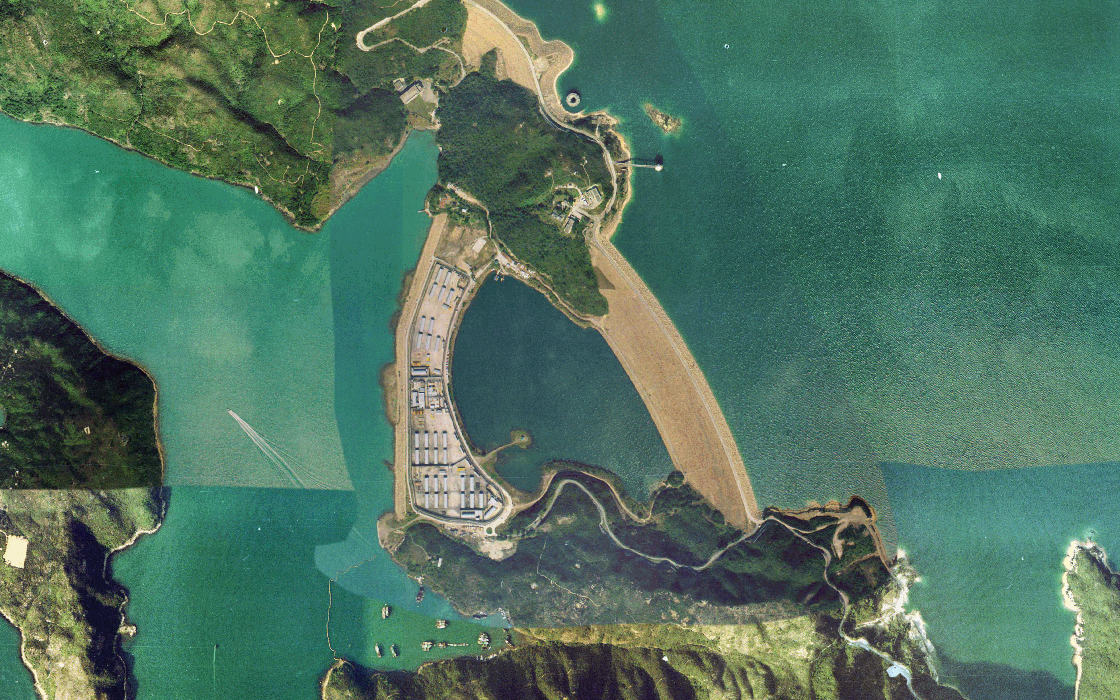
When archaeology served empire, what did it see? Benjamin Thomas White explores the history of aerial archaeology and its relationship with colonial surveillance.
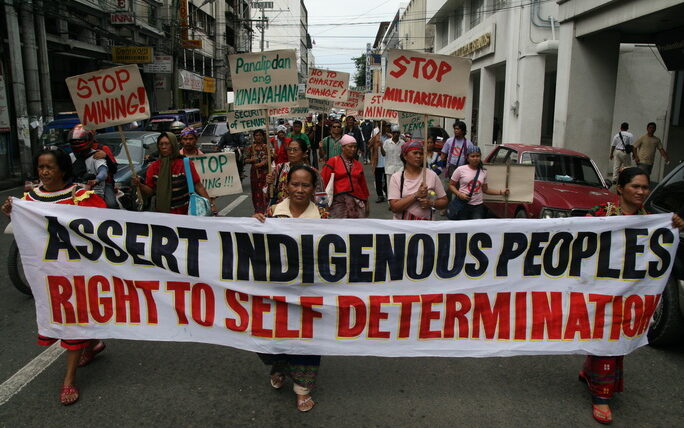
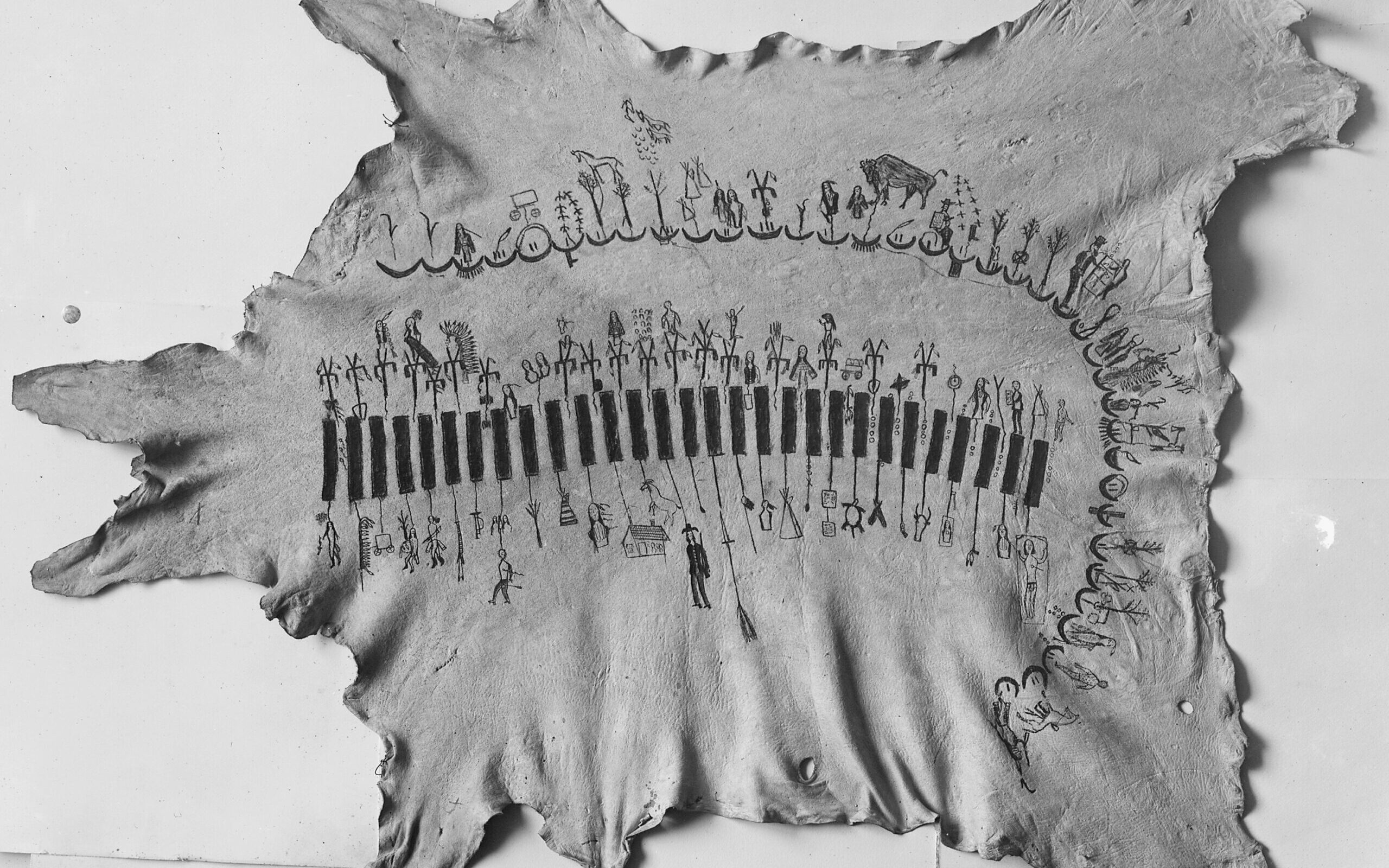
How can we better approach the histories of Indigenous peoples? Mary Katherine Newman introduces a
new History Workshop series on Indigenous historical methods.
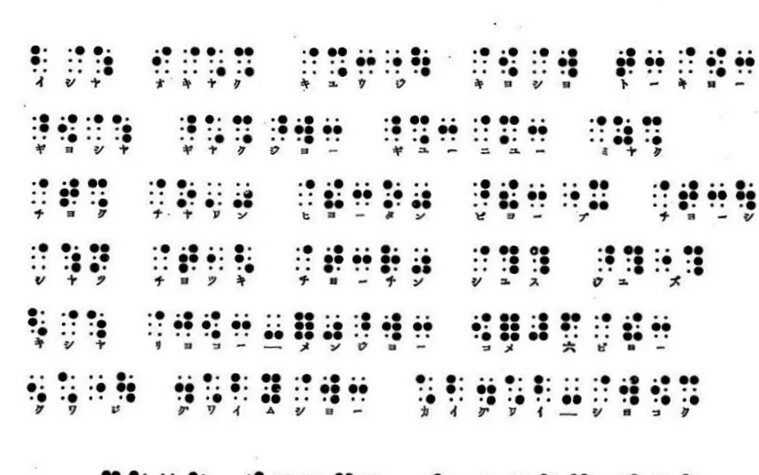
Our understanding of Braille is often shaped by narratives from Western Europe and the United States. Wei Yu Wayne Tan explores the significance of inventing Japanese Braille.