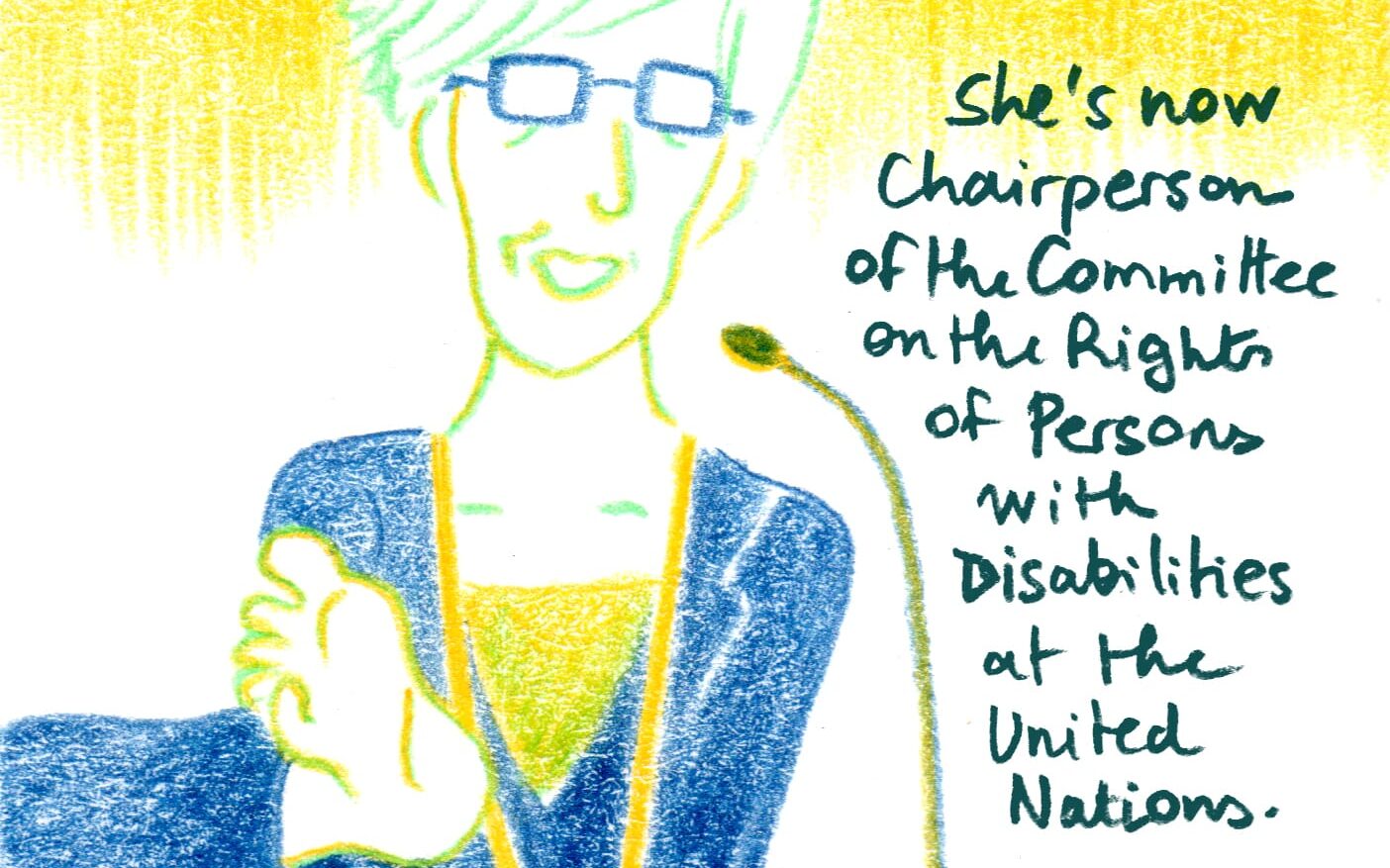
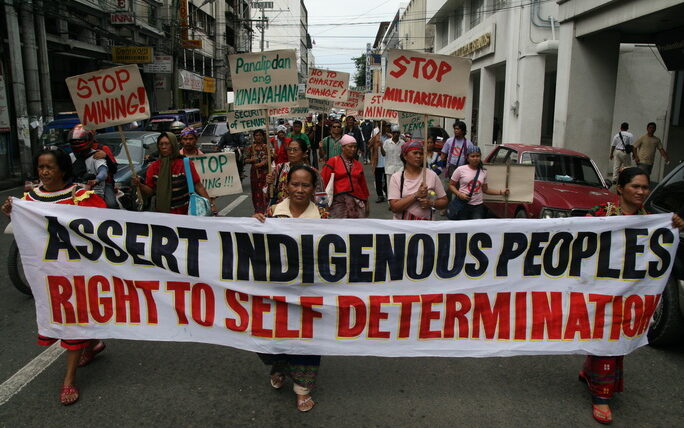
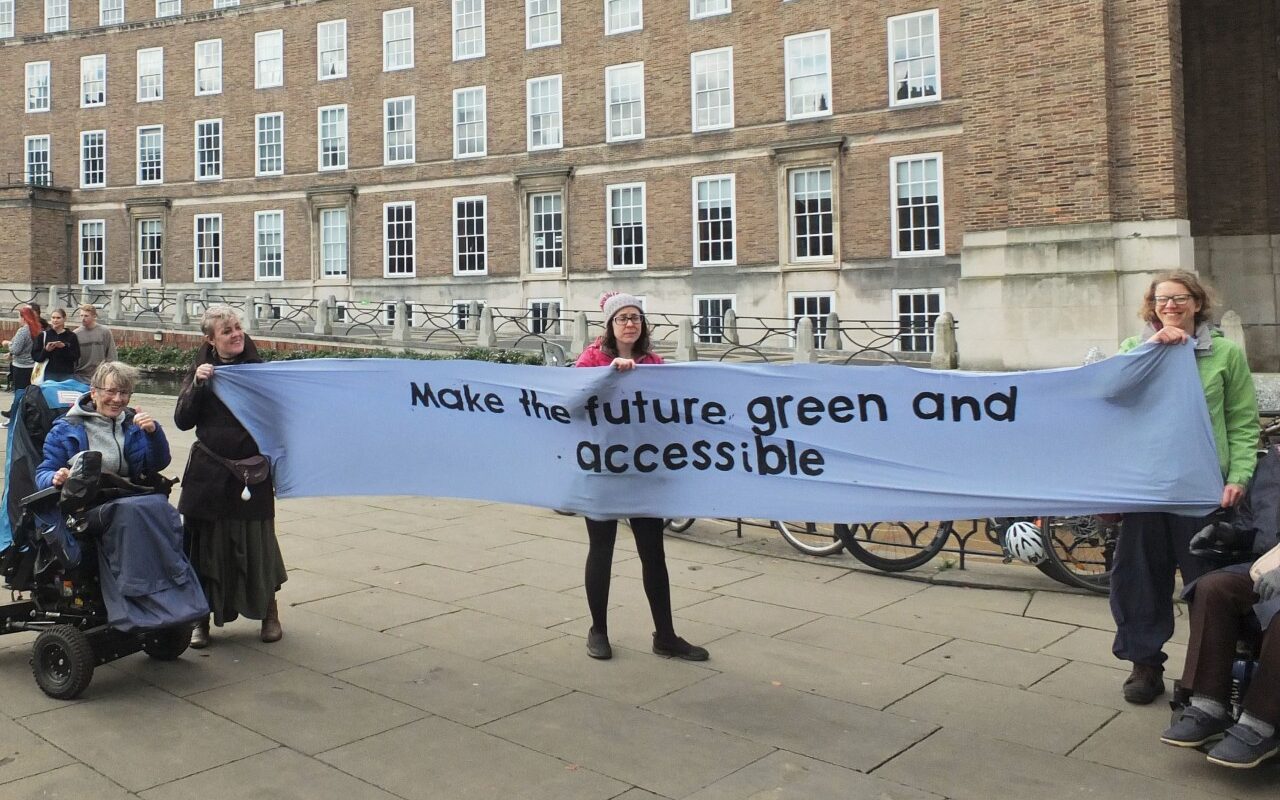
Disabled people and their allies have transformed the liberal idea that the human person is autonomous. Paul van Trigt on the unintended consequences of Article 12 of the 2006 Convention on the Rights of Persons with Disabilities.
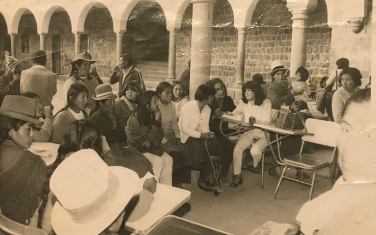
How can processes of political formation shape transformative politics? Mercedes Crisóstomo discusses the experiences of Peru's militante women from past to present.
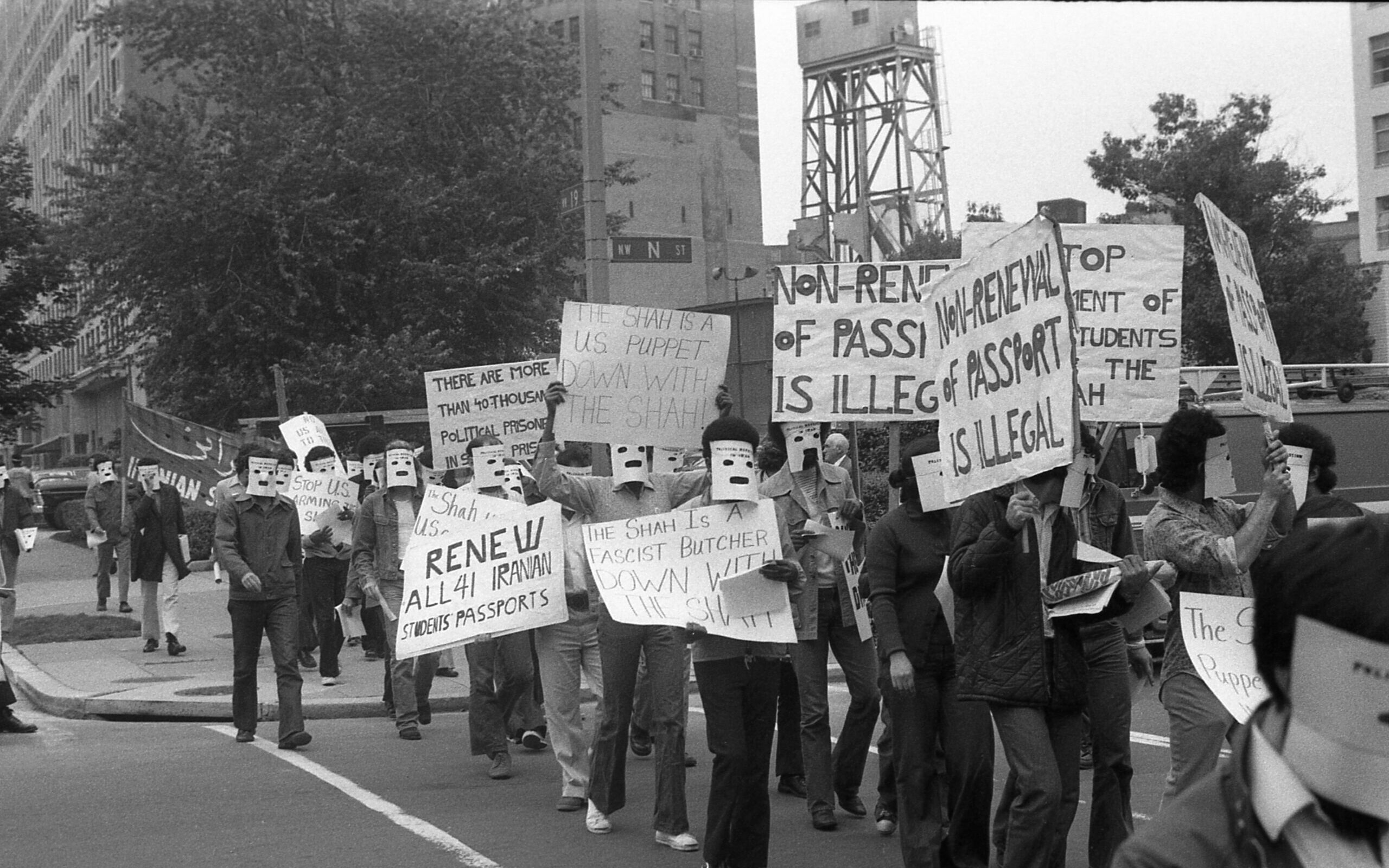
Transforming the world around us begins with learning to see and inhabit it differently. Shahrzad Mojab reflects on her political education in the 1970s Iranian student movement in the United States.
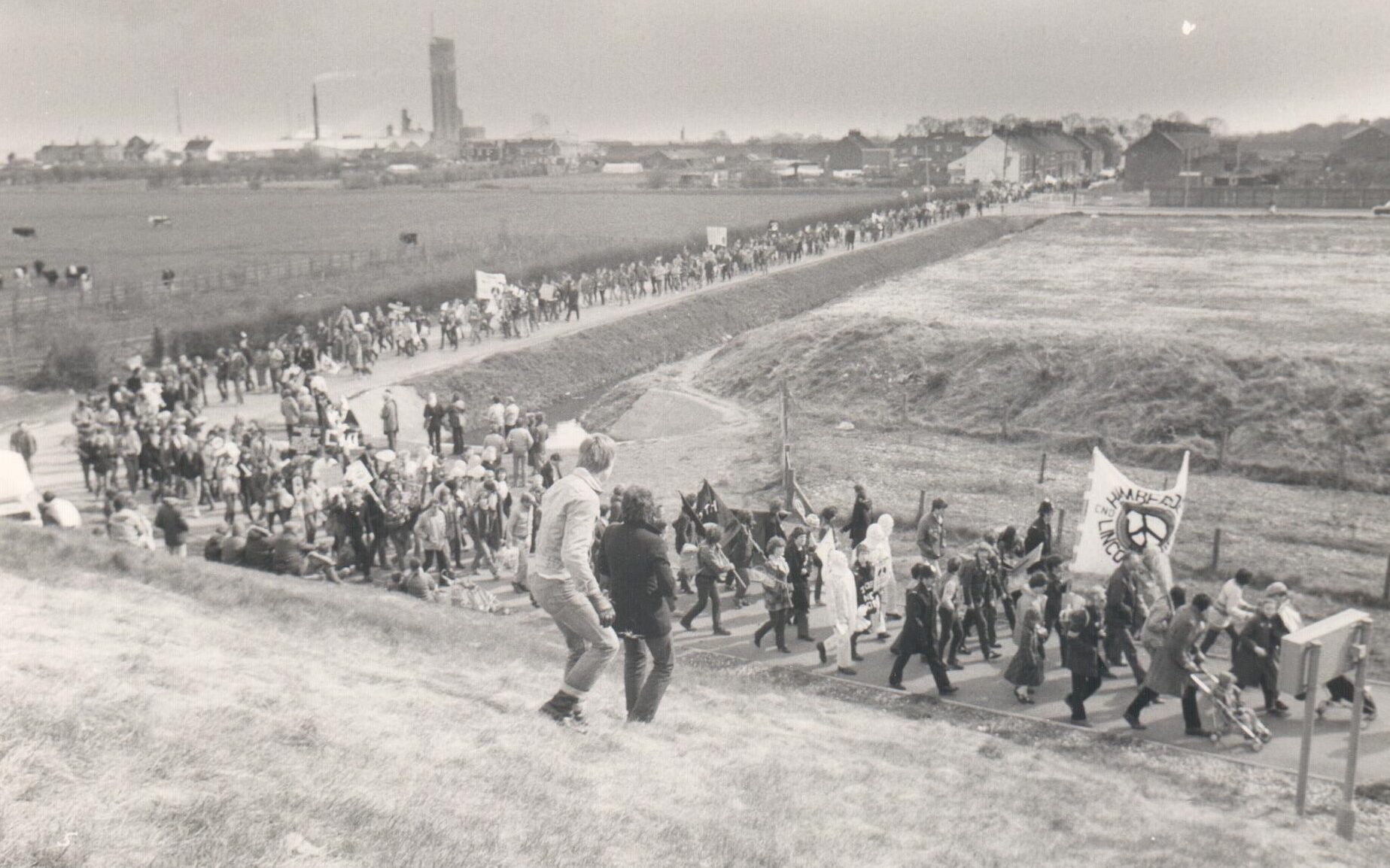
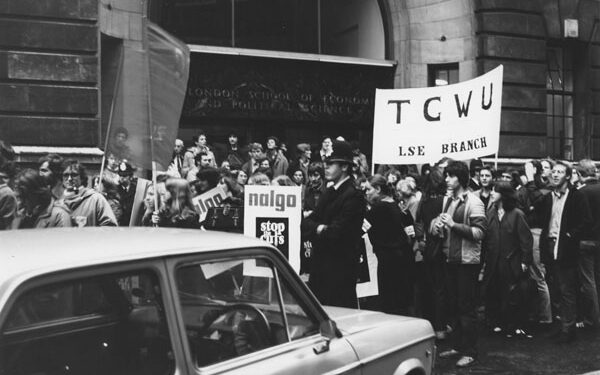
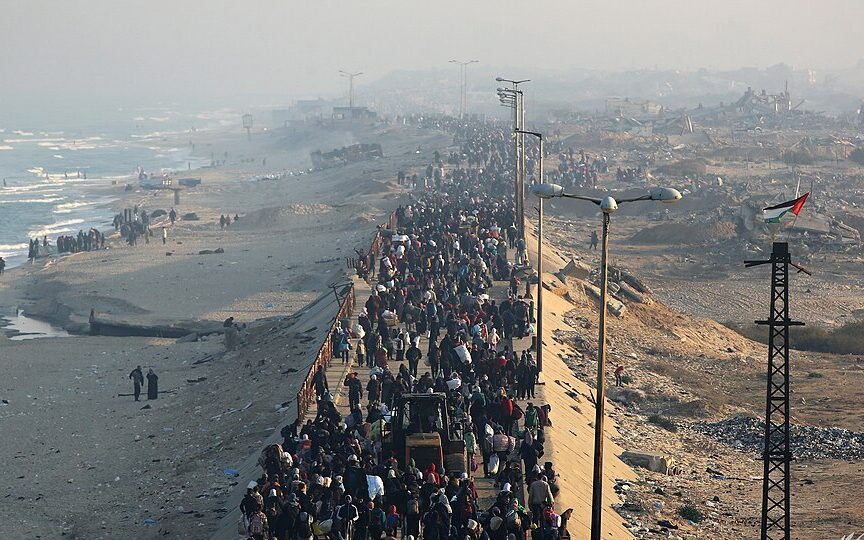
How might mass politics and direct action work together? Martin Shaw reflects on his experience in the student protests and antinuclear movement of the 1960s to the Palestine solidarity campaign of the 2020s.
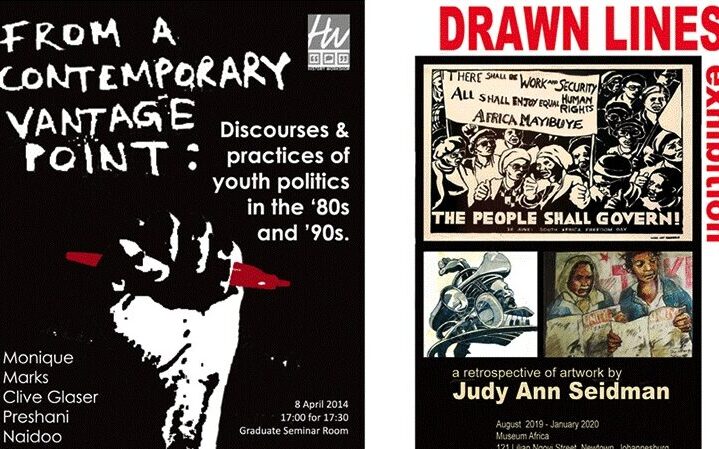
How have various radical and internationalist traditions attempted to overcome forms of domination and build alternative, emancipatory futures? Marral Shamshiri introduces a new History Workshop series.
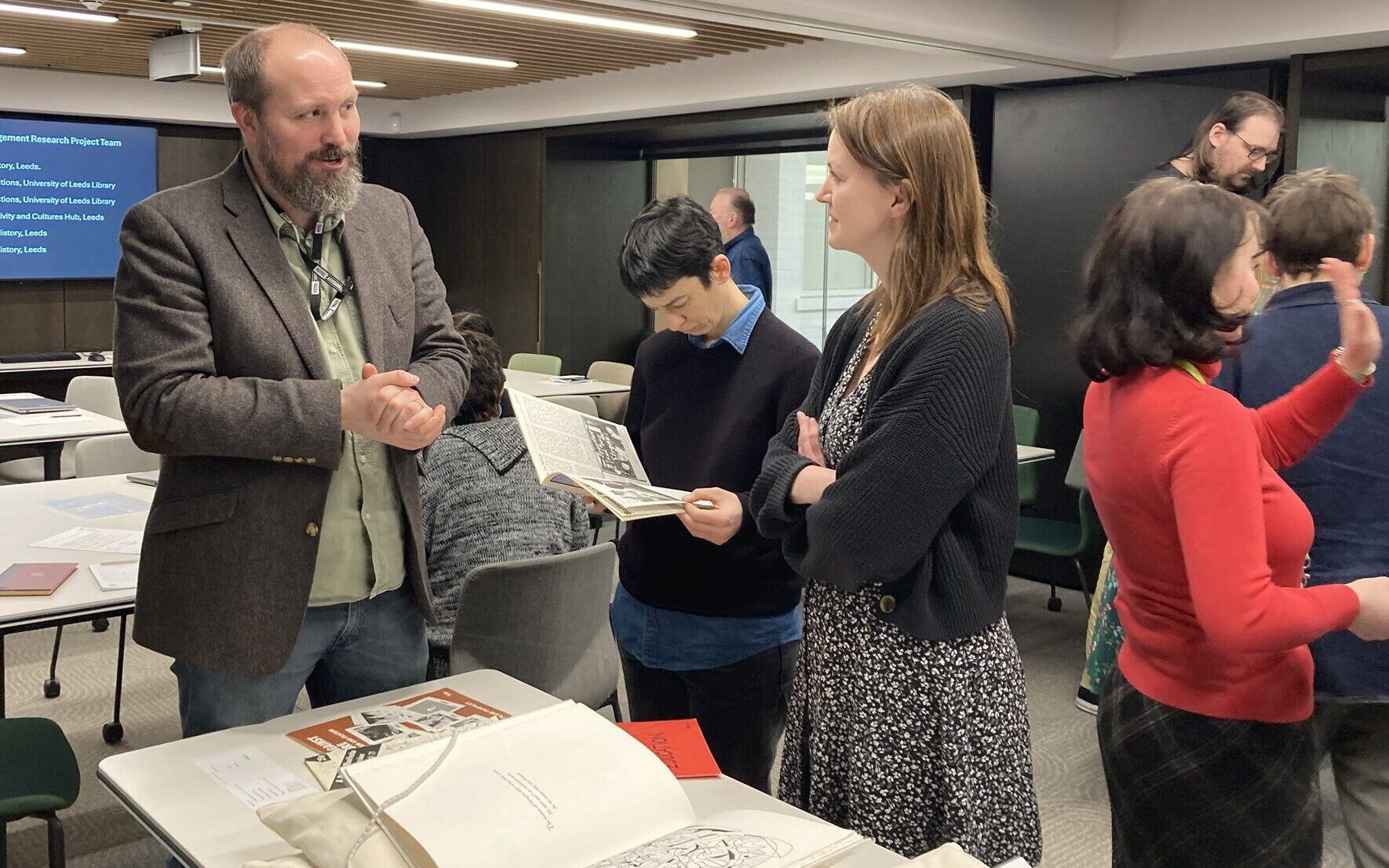
This collaborative conversation, facilitated by Kate Dossett and Simon Popple, reflects on the role of emotions in archives and what institutions can do to support wellbeing in engaged research.
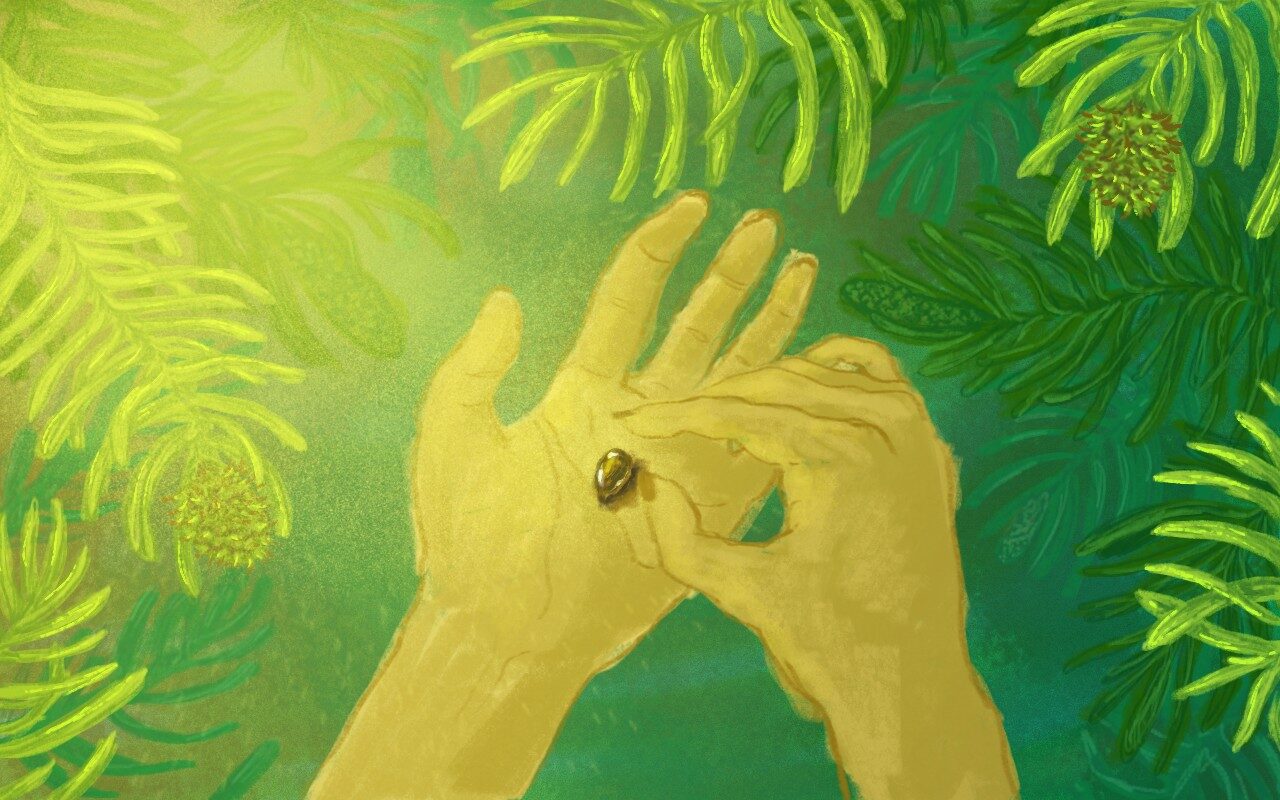
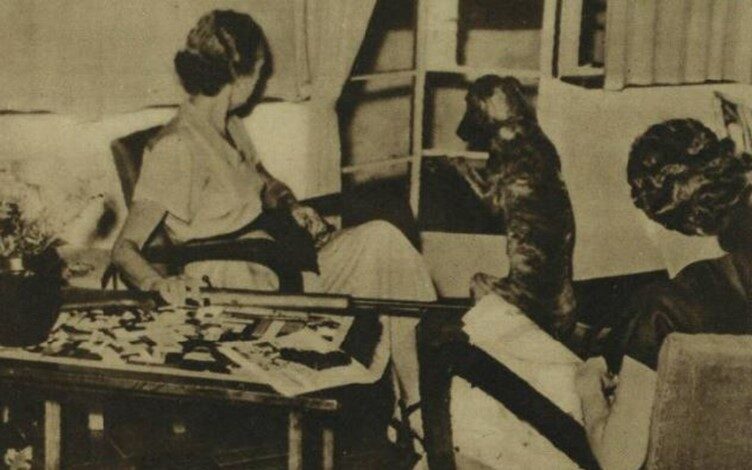
Whose lives count in the modern history of extinction? Sadiah Qureshi considers what historians can learn by paying attention to the remarkable lives of plants.
How can we use oral history to capture the diverse history of the UK environmental movement? Barbara Brayshay and Saskia Papadakis introduce the OHEM archive.
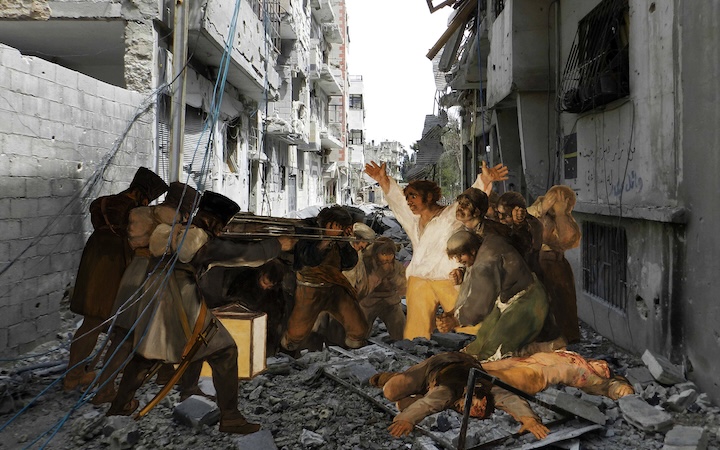
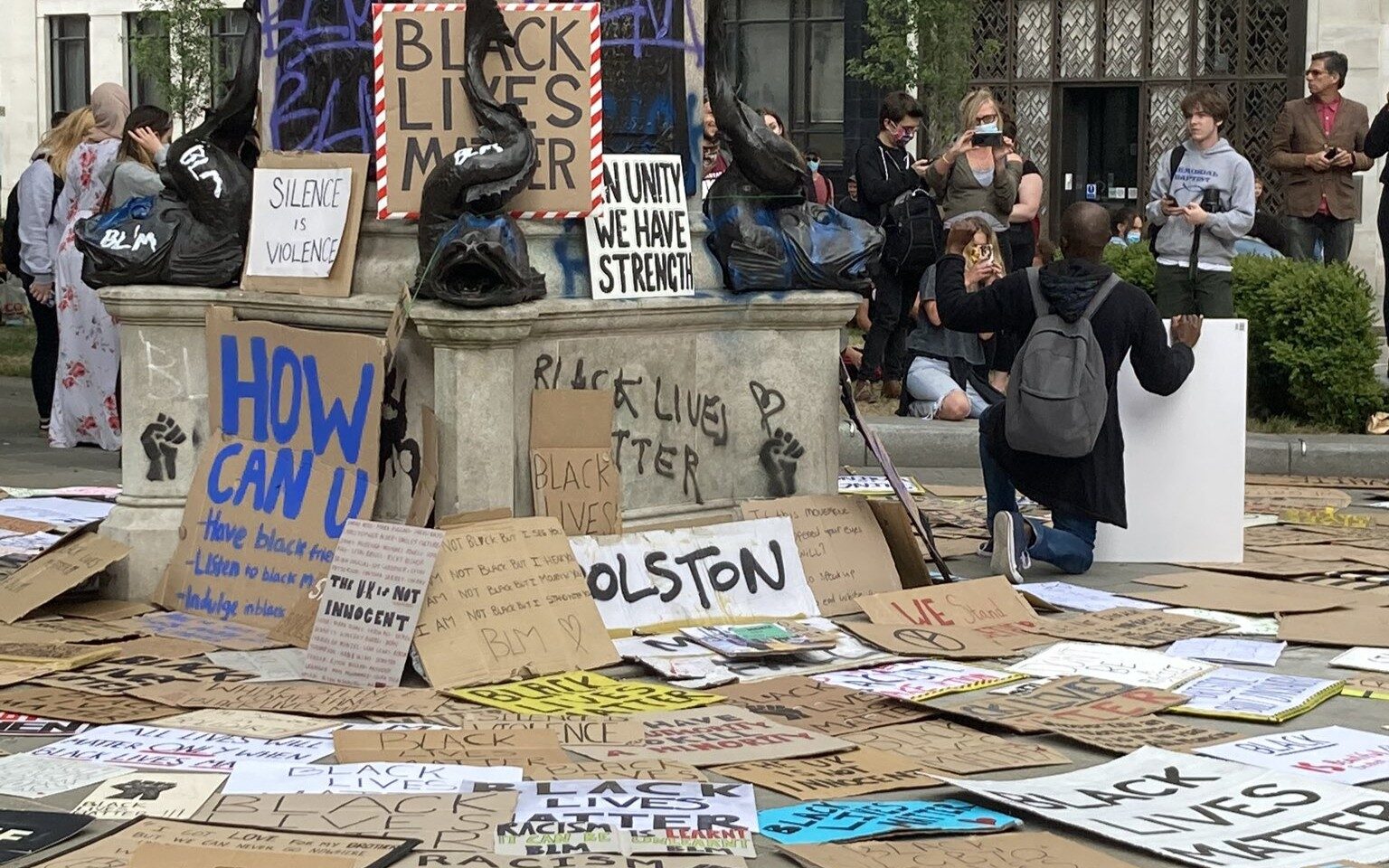
The idea of making amends for slavery has a long genealogy in Britain. Catherine Hall examines this history alongside vital questions of race and repair for our present moment.
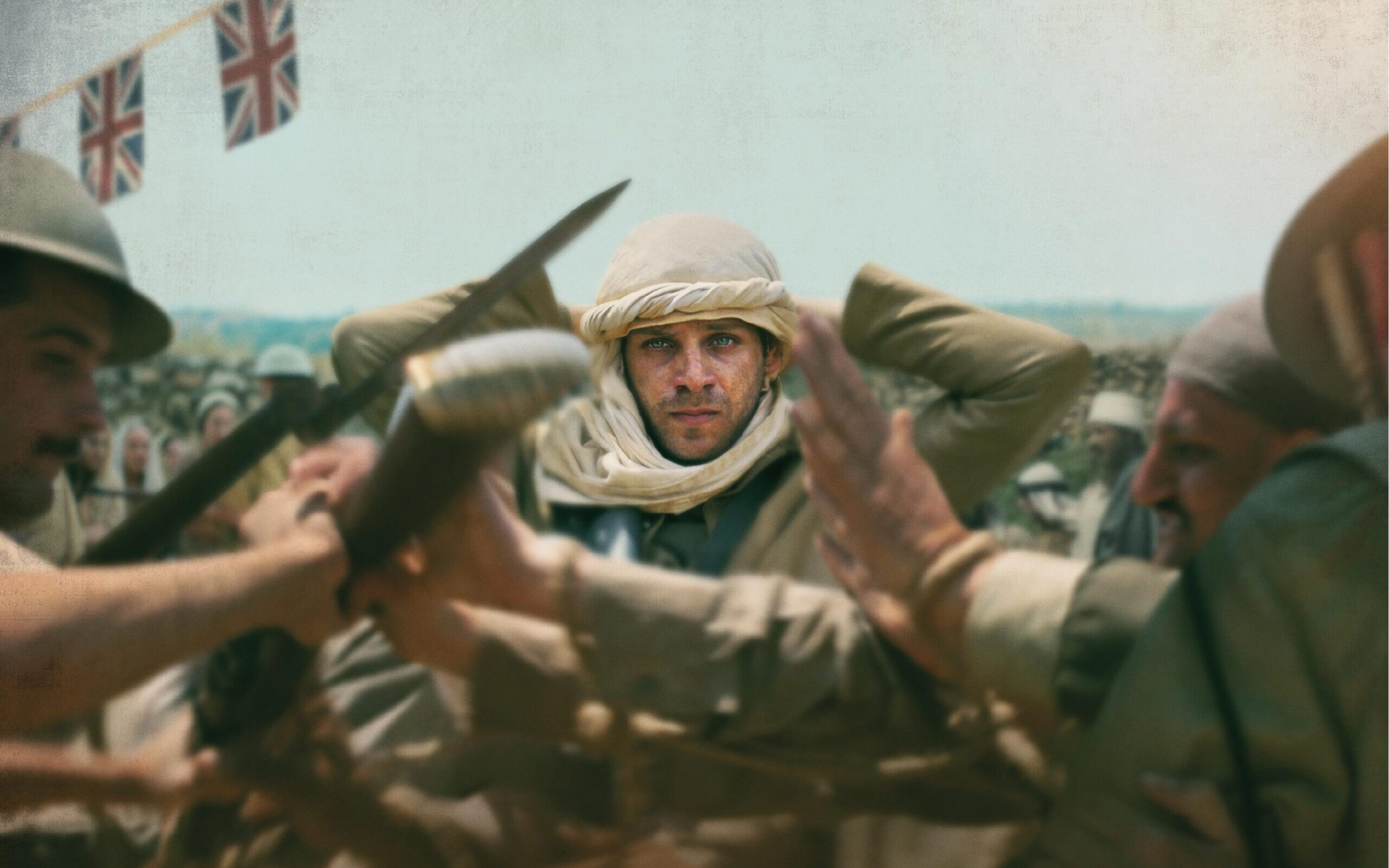
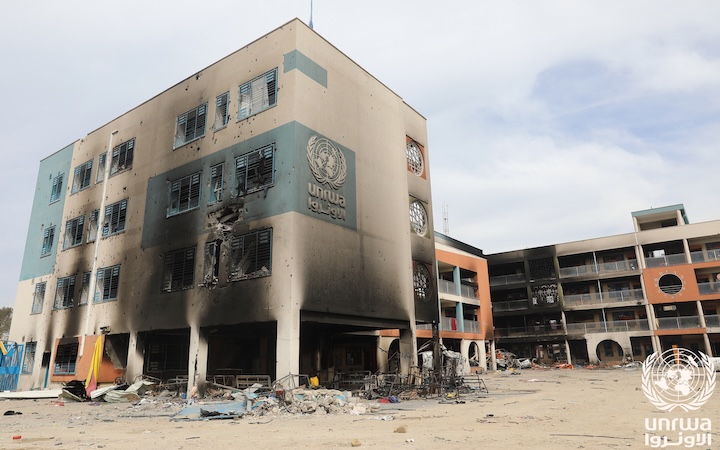
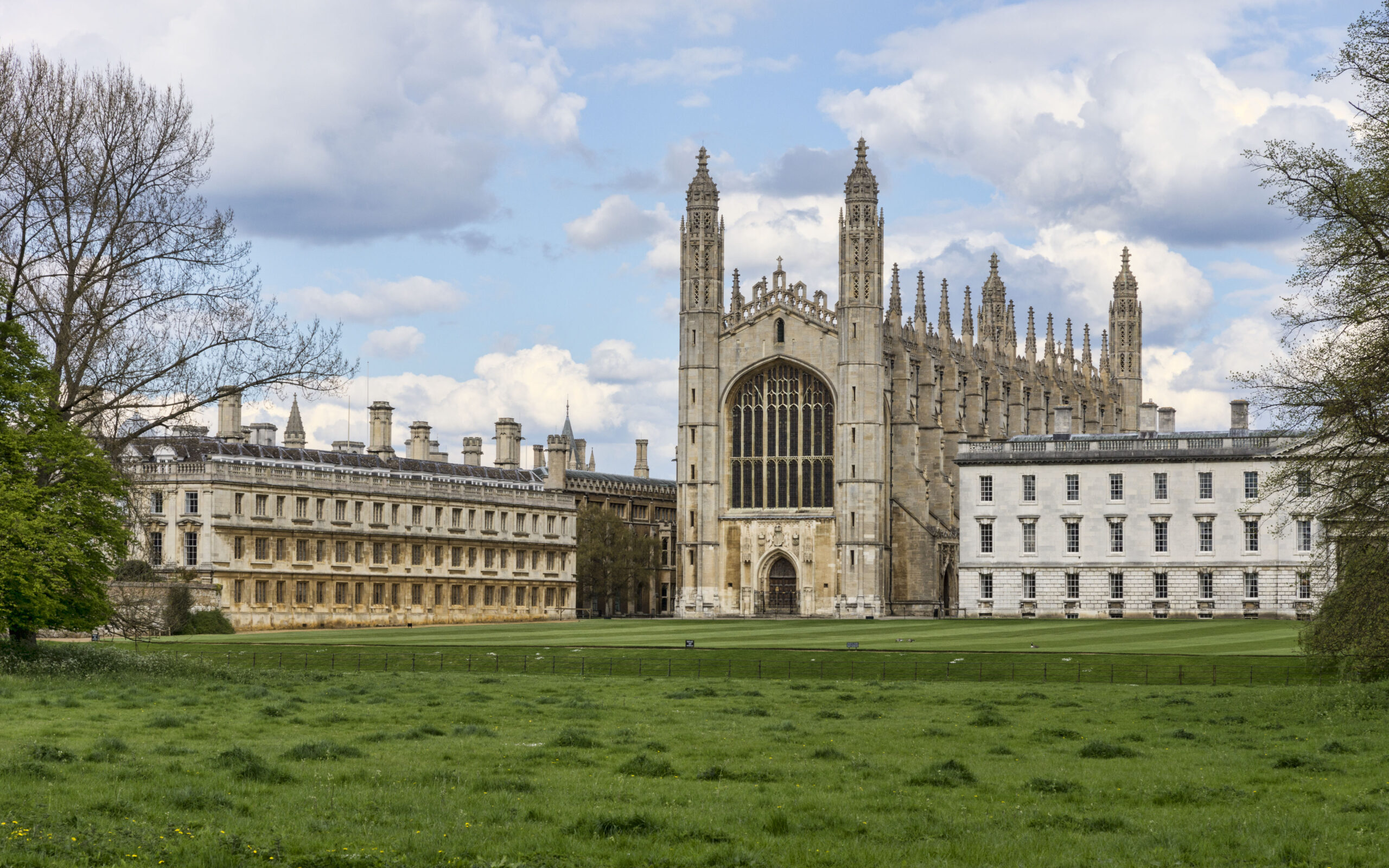
Throughout modern history, overseas students have neither been entirely rejected nor genuinely accepted. Nilakshi Das examines this discourse as it shifted over time.
Vivien Chan, Beckie Rutherford, Sally Alexander & Jeffrey Weeks
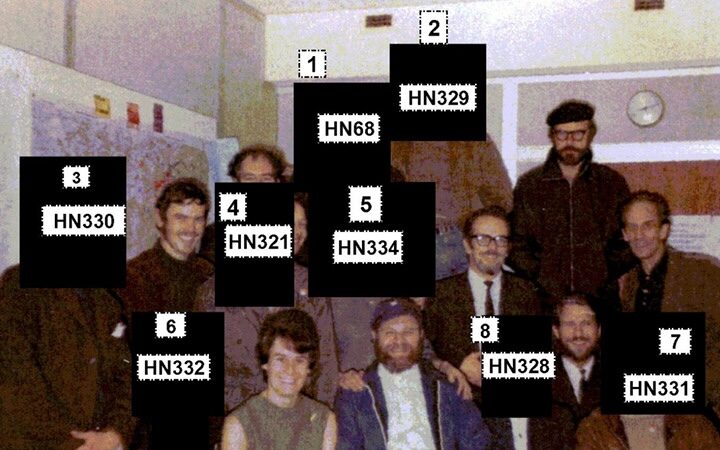
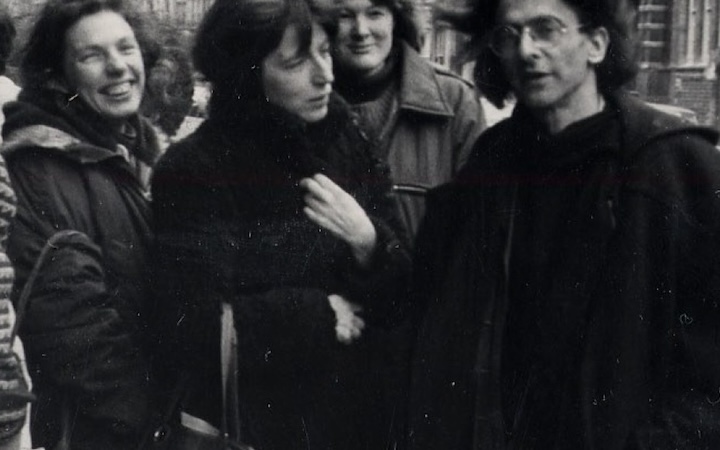
How did History Workshop Journal's editorial collective sustain its commitment to radical history over fifty tumultuous years? Sally Alexander and Jeffrey Weeks discuss.
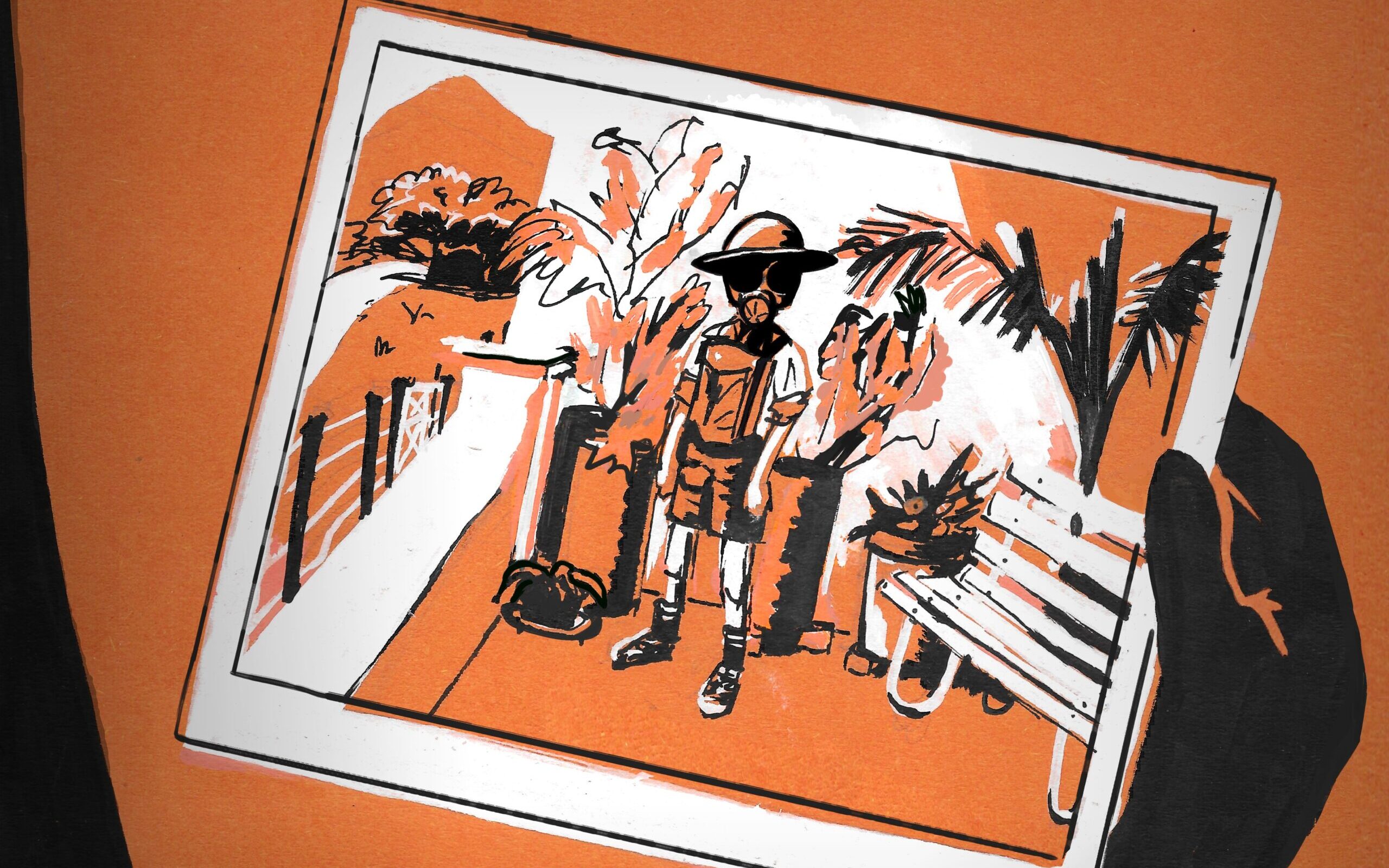
Ten illustration students from Nottingham Trent University consider their personal connections to the past and what it means to practice history from below.
History Workshop editors share their reflections on the radical books and films which have compelled them, fascinated them, and moved them throughout 2025.
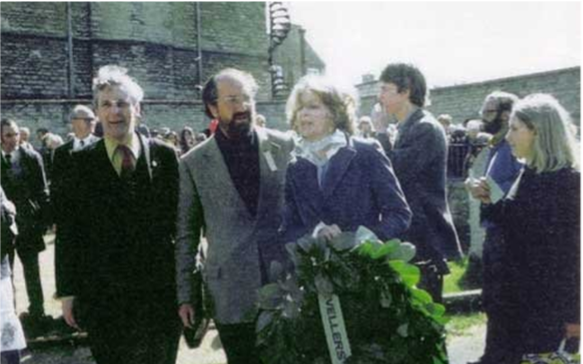
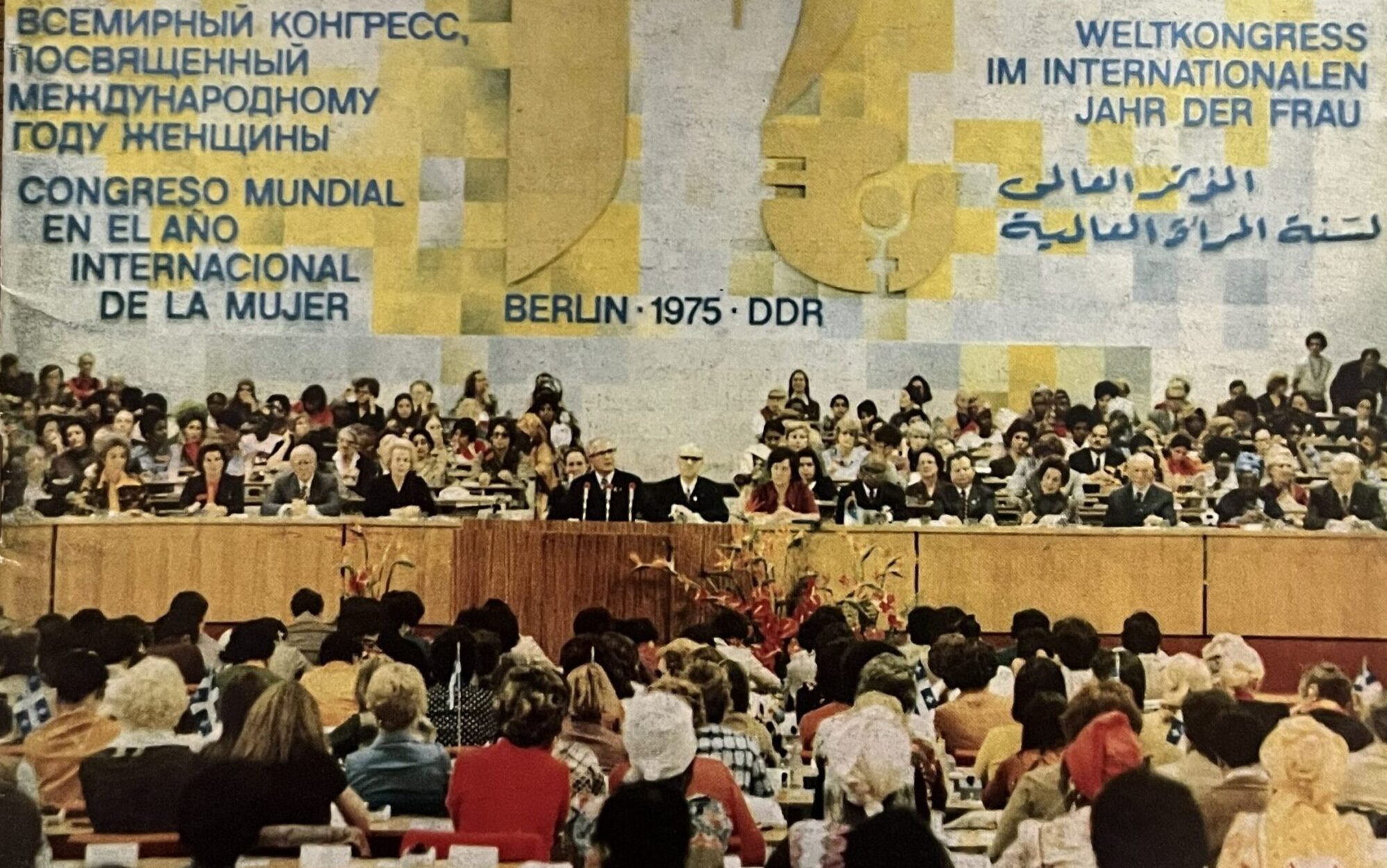
What insights can feminists gain from revisiting the 1975 World Congress for International Women’s Year in East Berlin? Natali Moreira investigates this overlooked event using the Women of the Whole World journal.
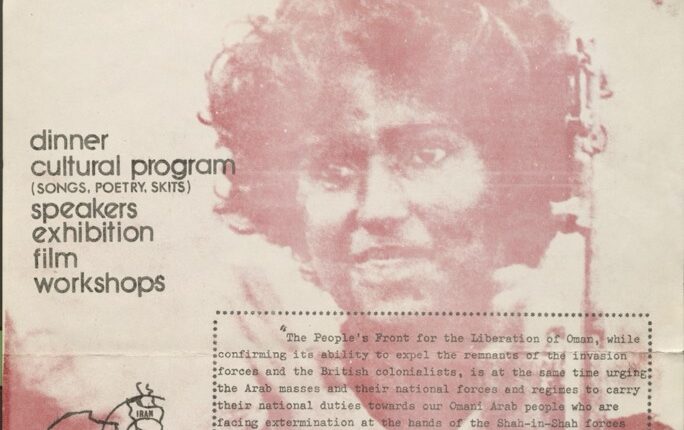
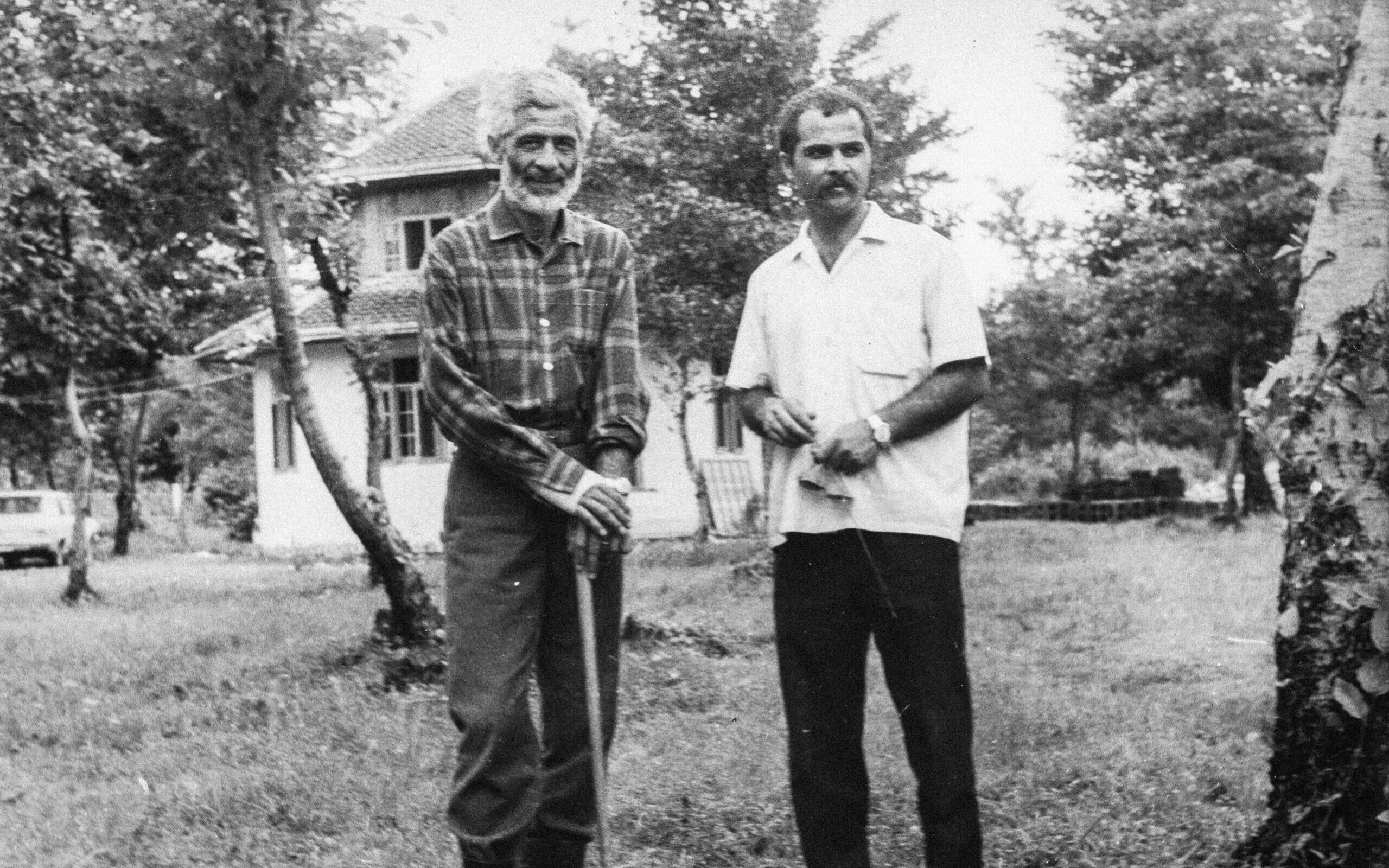
Can the neglected anticolonial visions of Third World Marxist revolutionaries speak to our current moment? Peyman Vahabzadeh on Iran's 1970s radical, Mostafa Sho'aiyan.