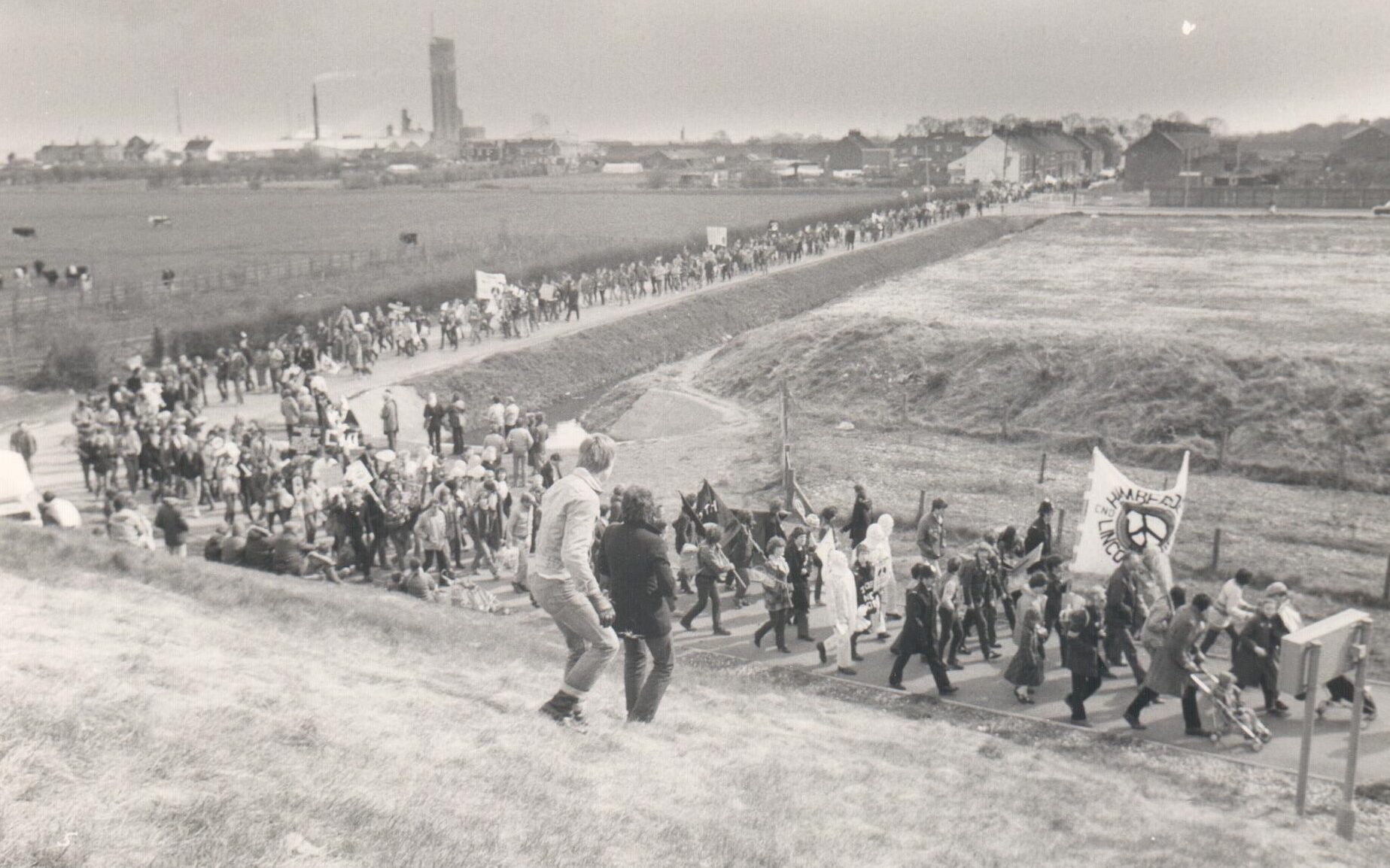
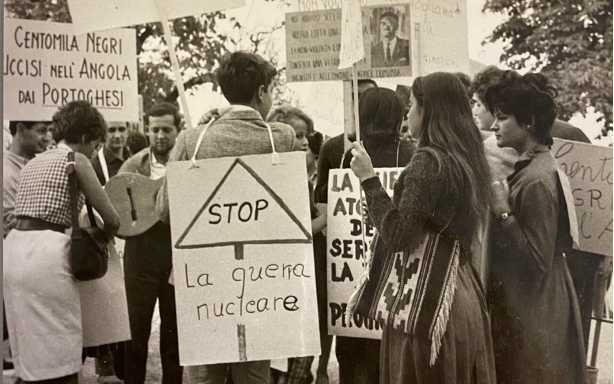
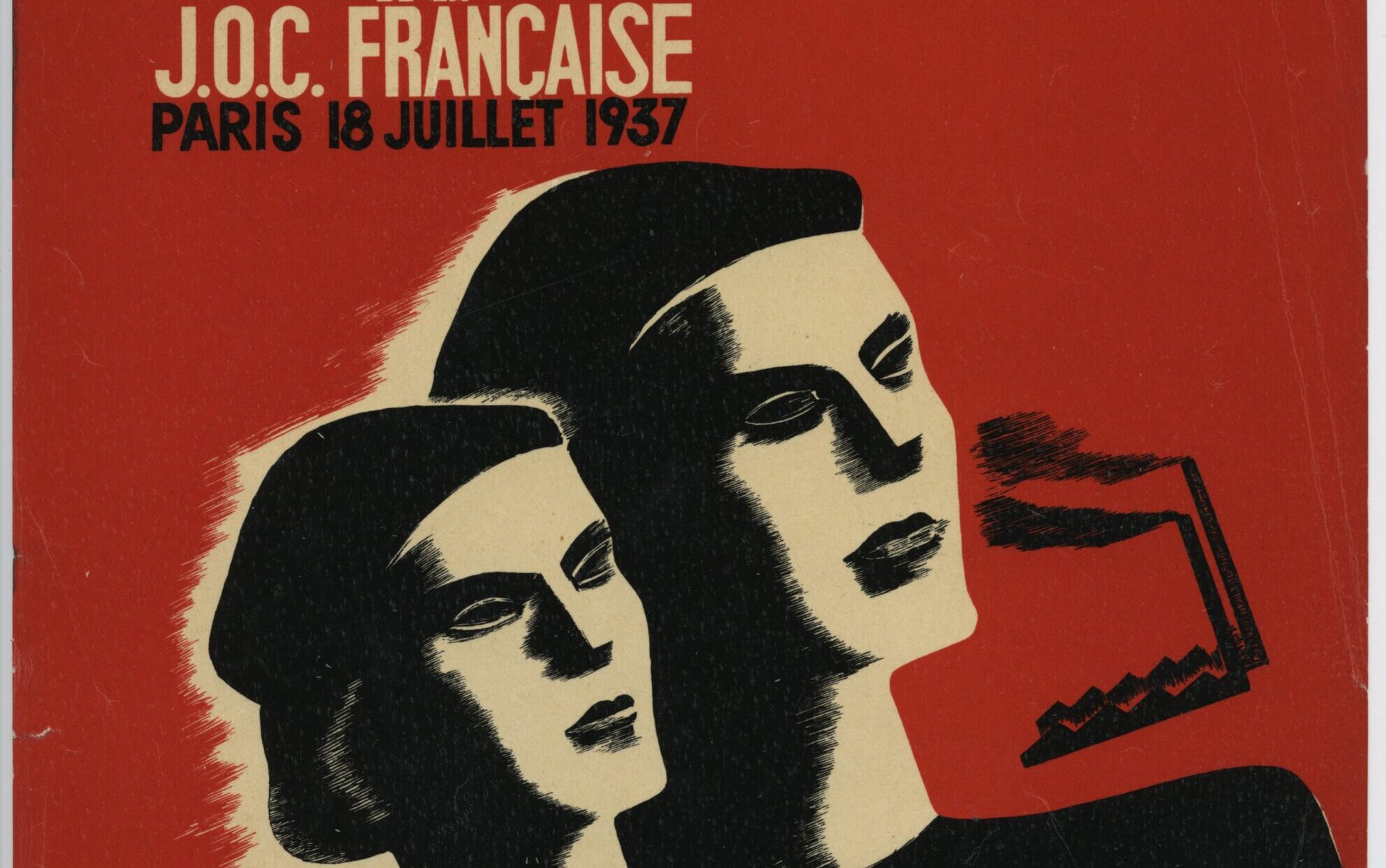
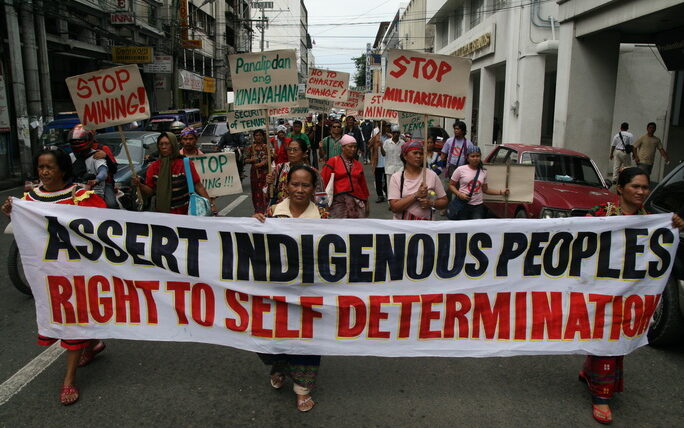
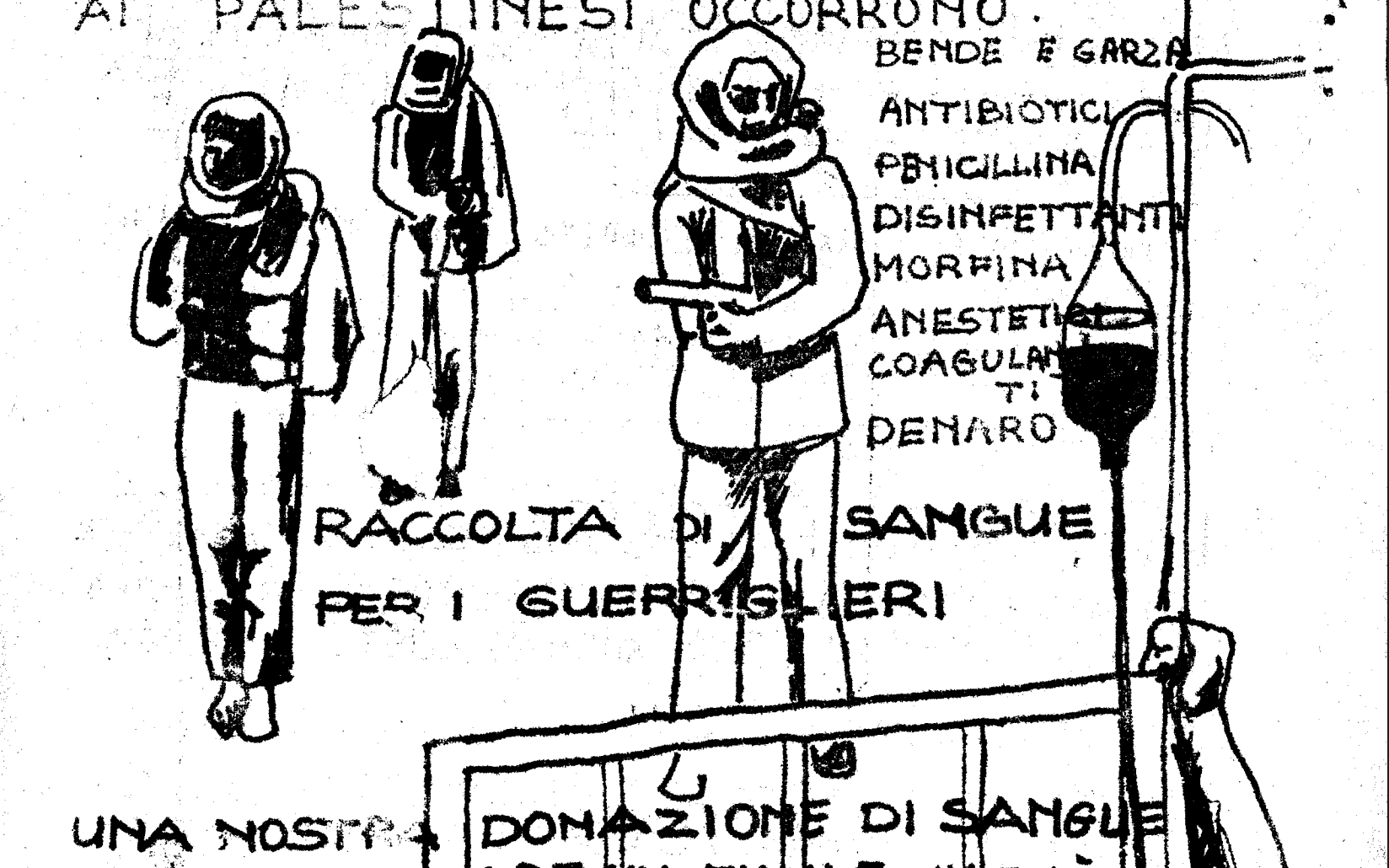
How might mass politics and direct action work together? Martin Shaw reflects on his experience in the student protests and antinuclear movement of the 1960s to the Palestine solidarity campaign of the 2020s.
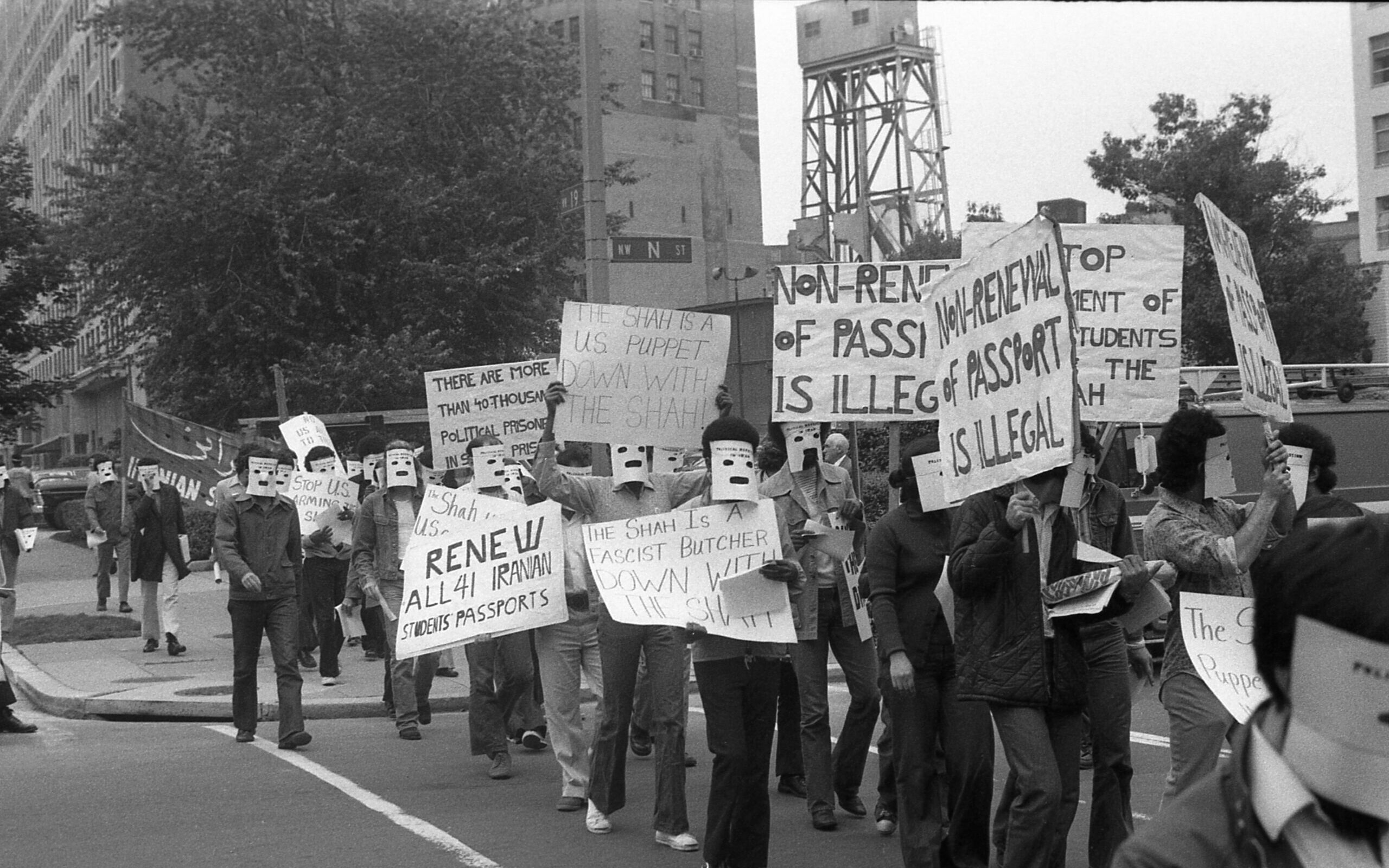
How have various radical and internationalist traditions attempted to overcome forms of domination and build alternative, emancipatory futures? Marral Shamshiri introduces a new History Workshop series.
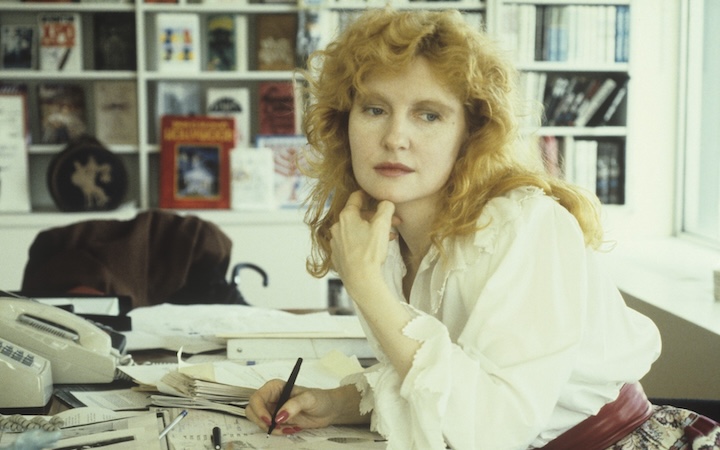
How did a radical feminist study of the politics of orgasm become a global best-seller - and then disappear? Rosa Campbell explores the life and legacy of the renegade sexologist Shere Hite.
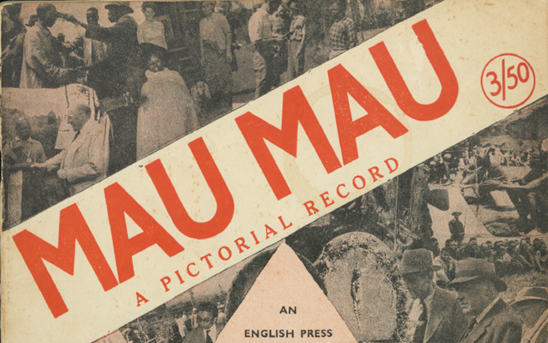
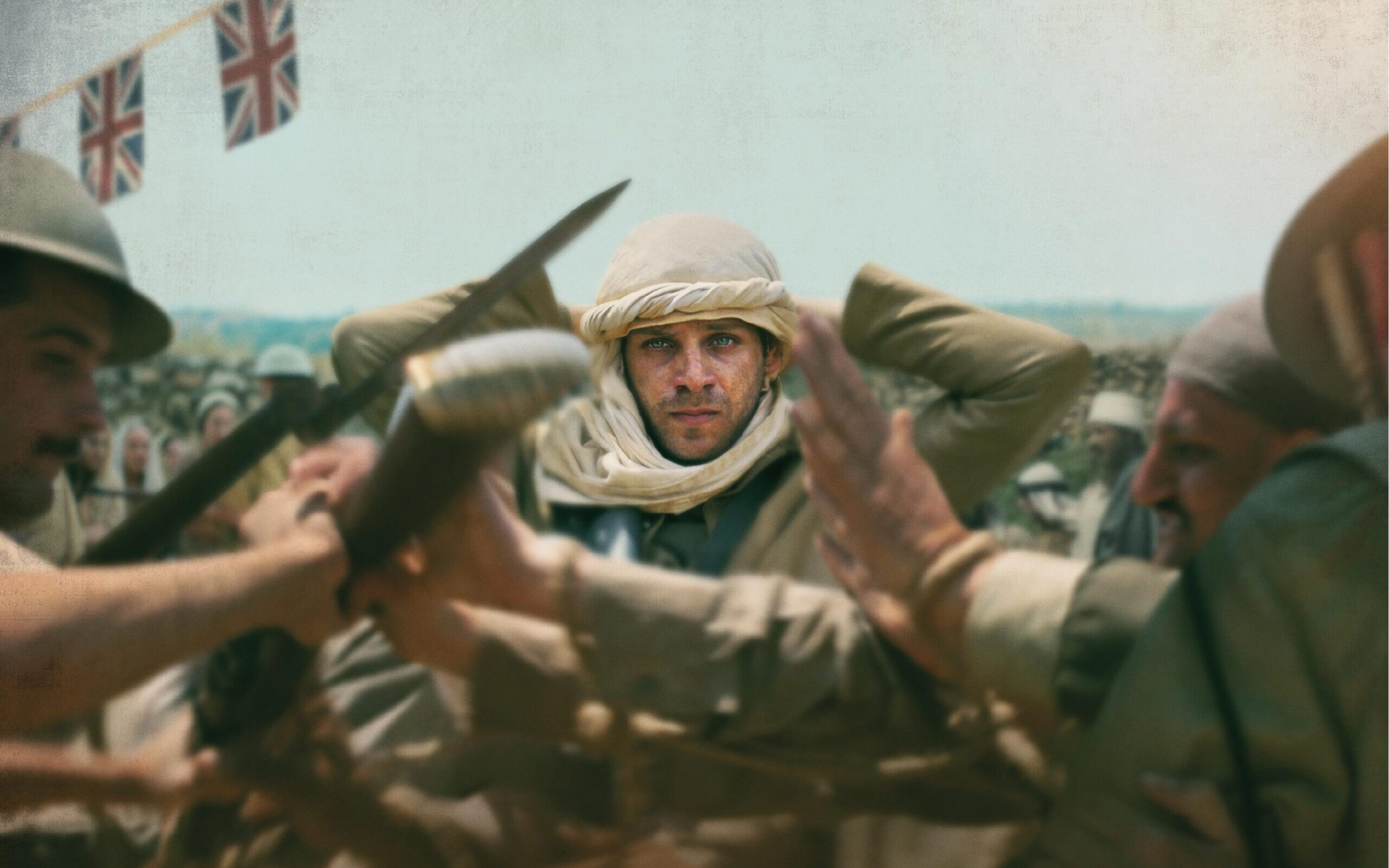
During the Kenya Emergency, photography became a vital tool for psychological warfare. Lauren Brown explores how the colonial state used violent images to demonise African insurgents.
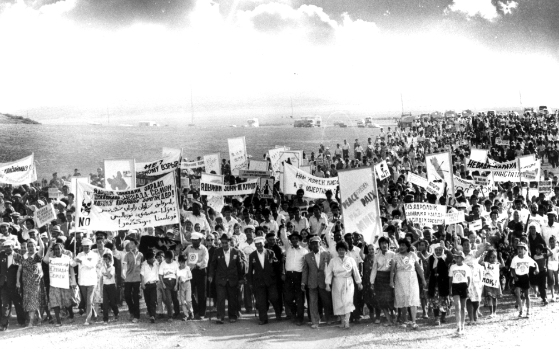
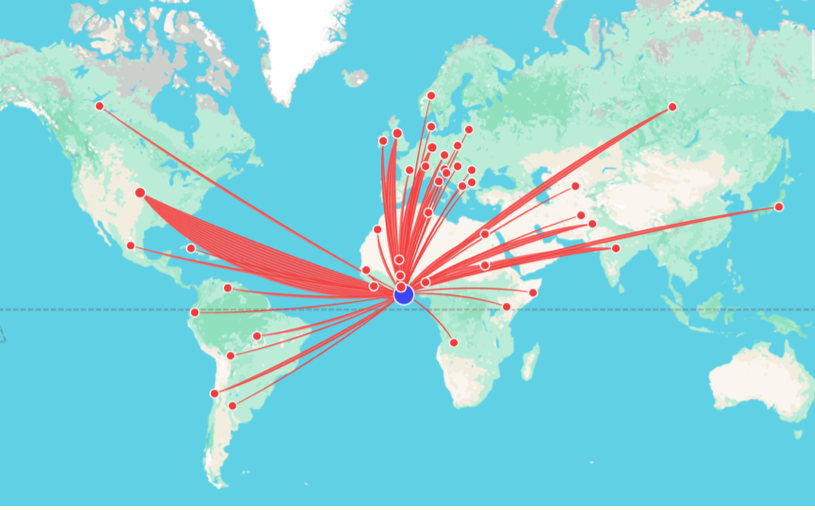
What can a Kazakh anti-nuclear movement reveal about forms of peace and internationalism forged from both above and below? Kamila Smagulova on the Nevada-Semipalatinsk campaign.
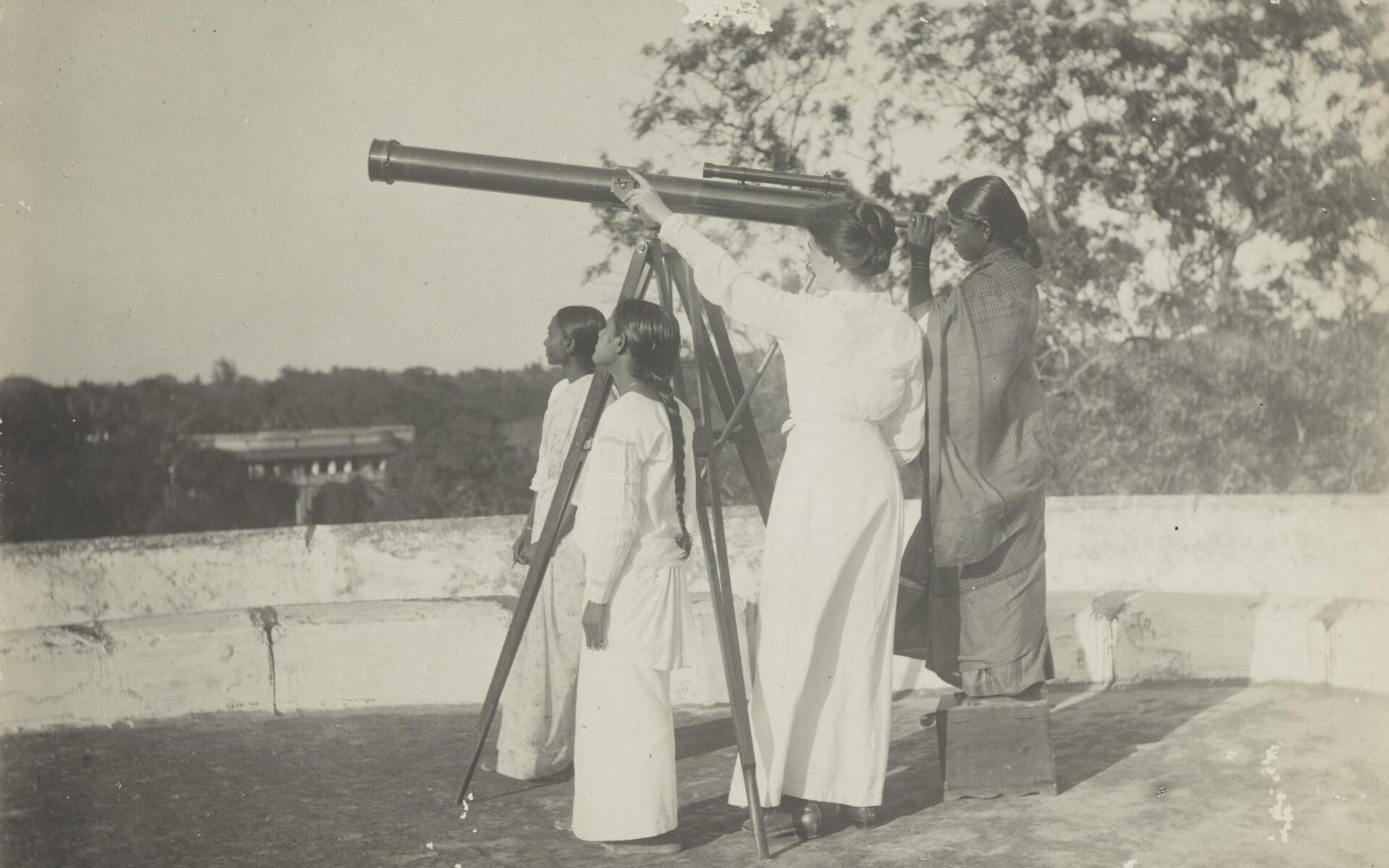
What do frictions in the founding story of a missionary women's college reveal about Indian women's struggles for education and internationalism? Sneha Krishnan on the Women's Christian College in colonial India.
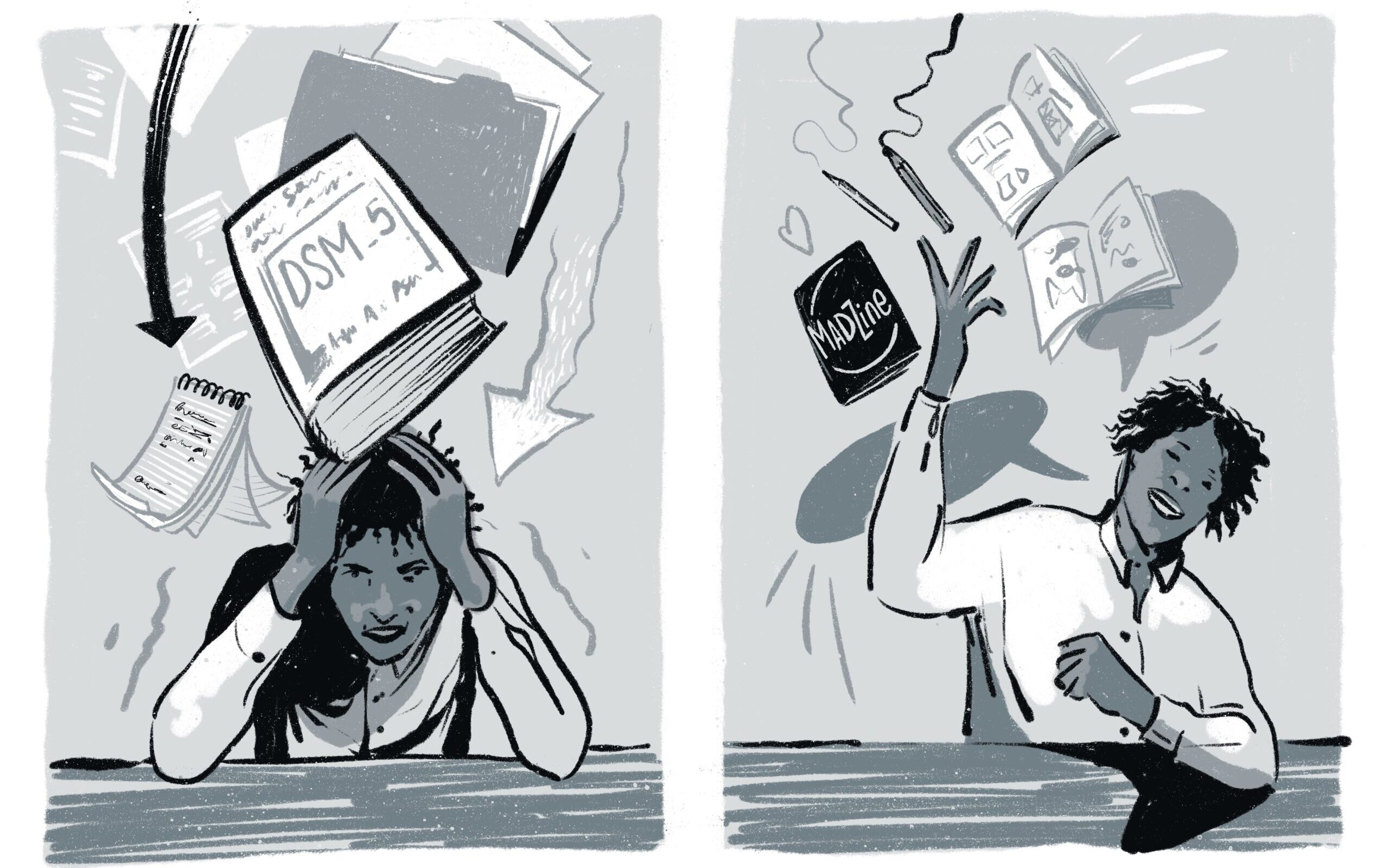
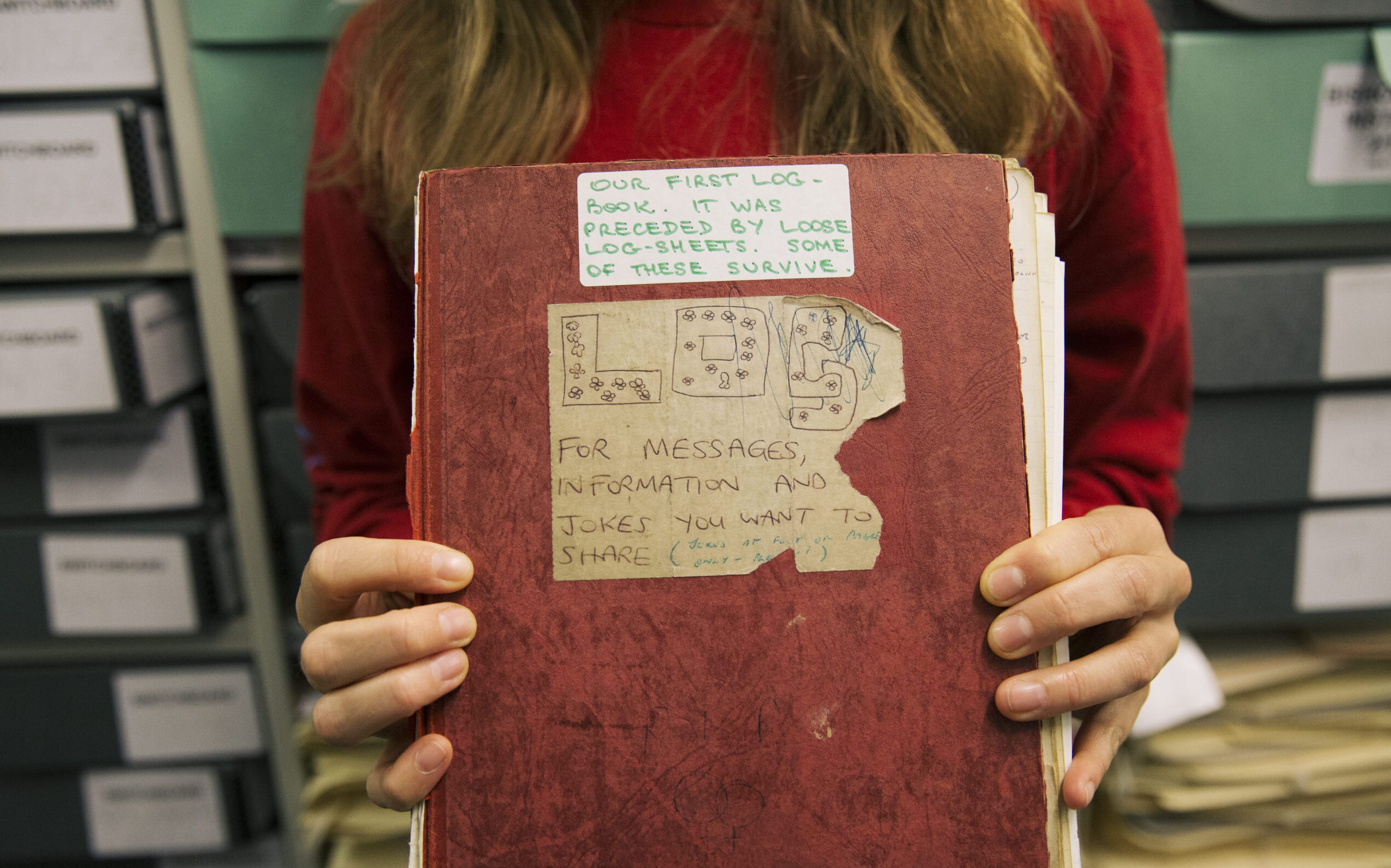
What can we learn about queer lives and queer history from the call logs of the UK's first LGBTQ+ helpline? Tash Walker and Adam Zmith on their award-winning podcast The Log Books.
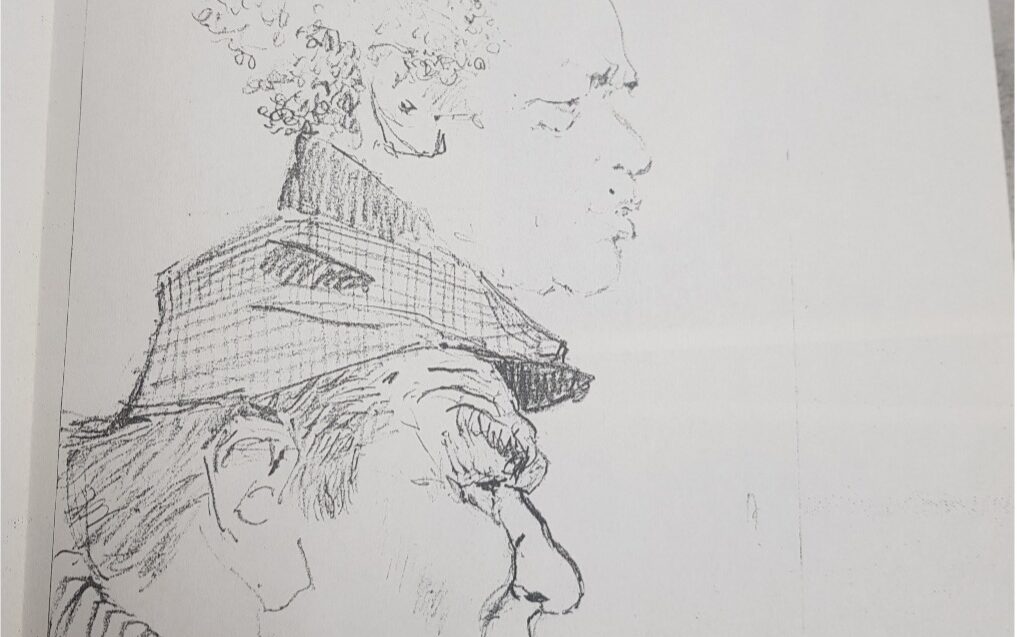
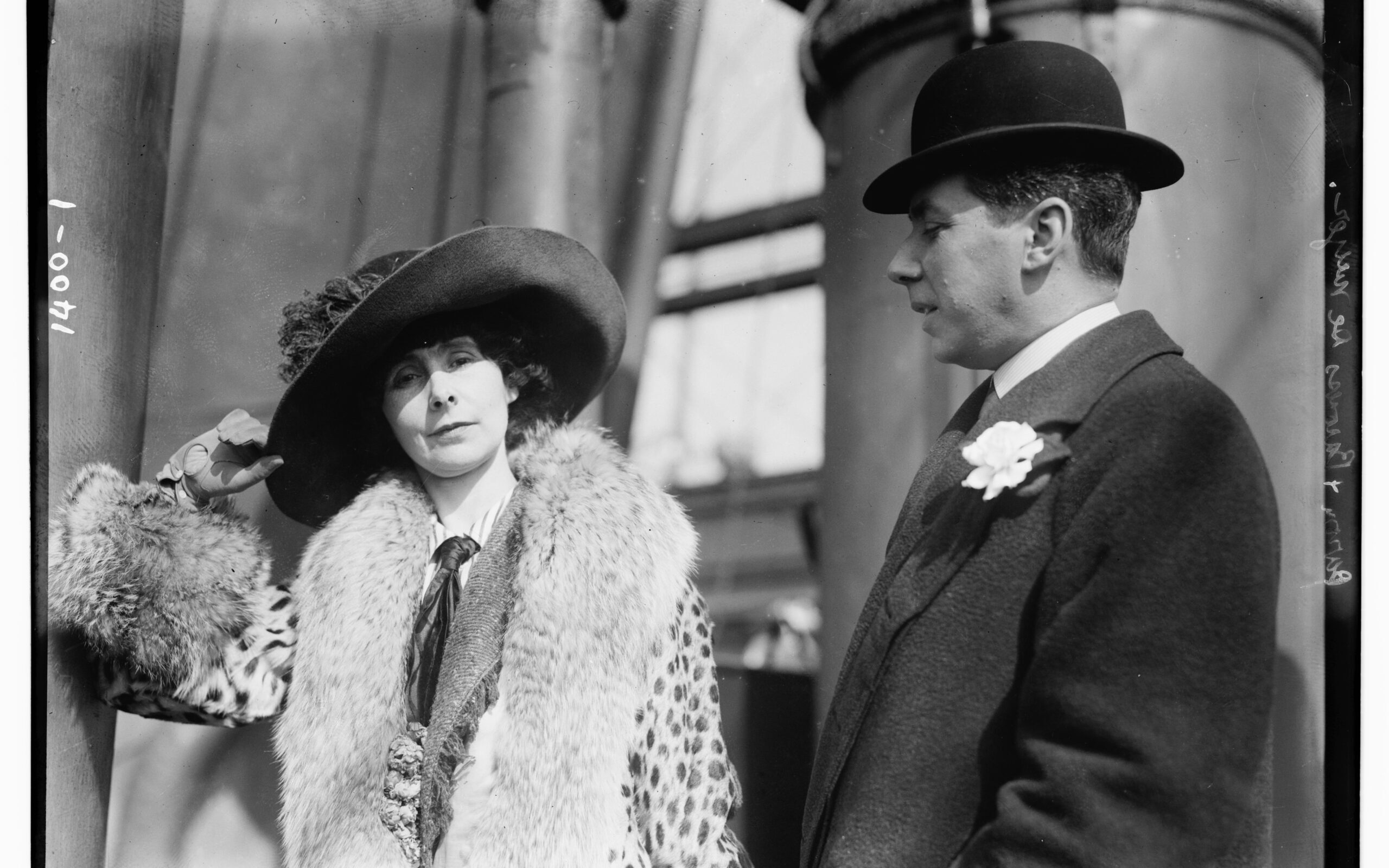
How did a group of authors, artists musicians and aristocrats in Edwardian Chelsea use the structures of marriage, class and empire to subvert the heterosexual norm and form a network of queer non-monogamy?
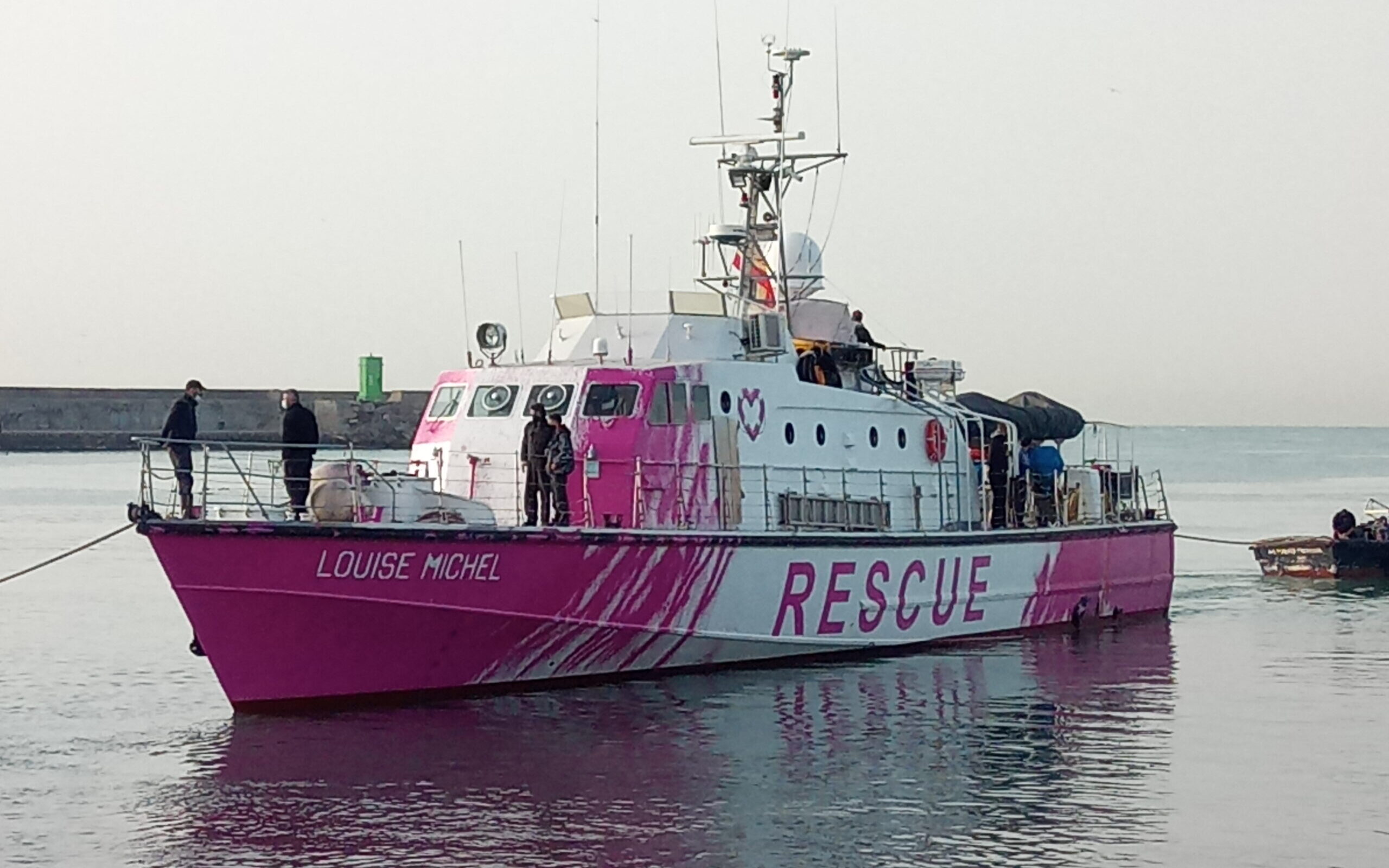
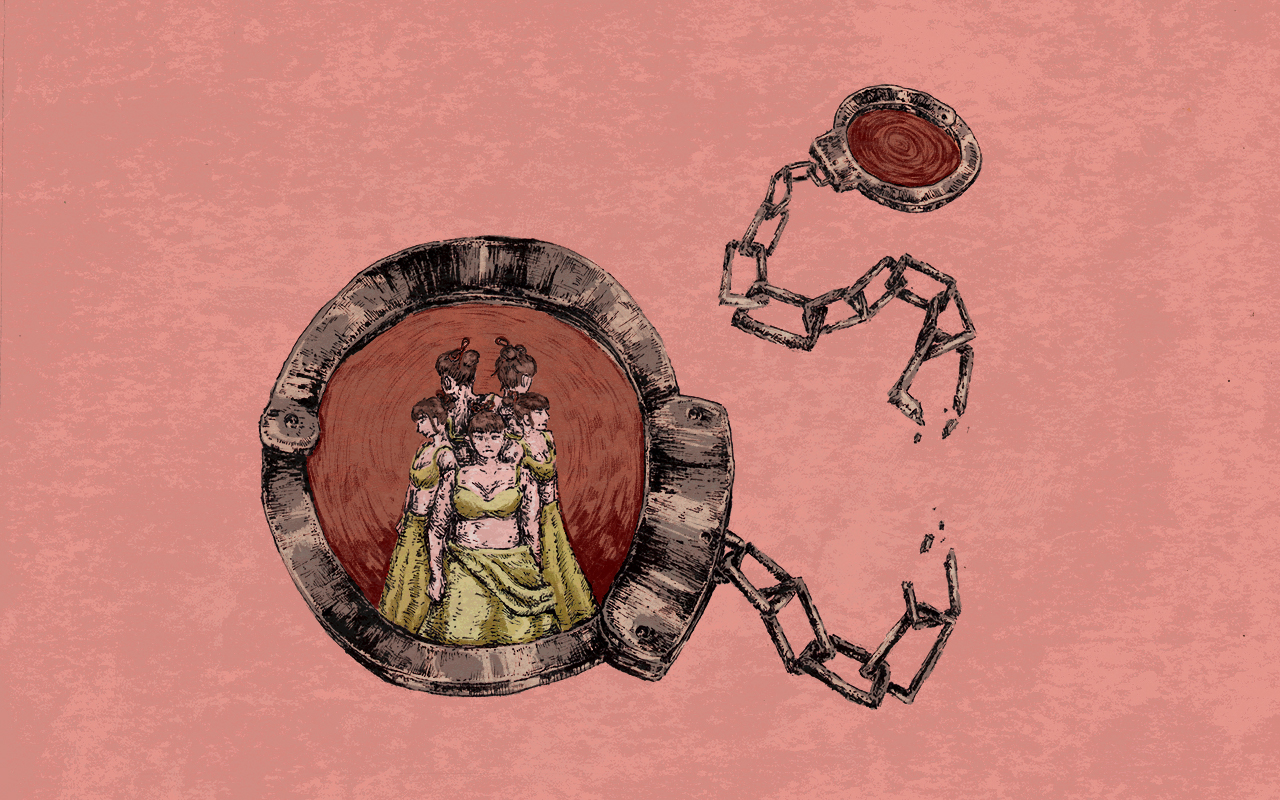
What should we make of the gendered cultural legacies of revolutionary women? Clara Vlessing considers the lives and afterlives of anarchists Emma Goldman and Louise Michel.
Marybeth Hamilton, Elly Robson, Mary Katherine Newman, Marral Shamshiri, Beckie Rutherford & Vivien Chan
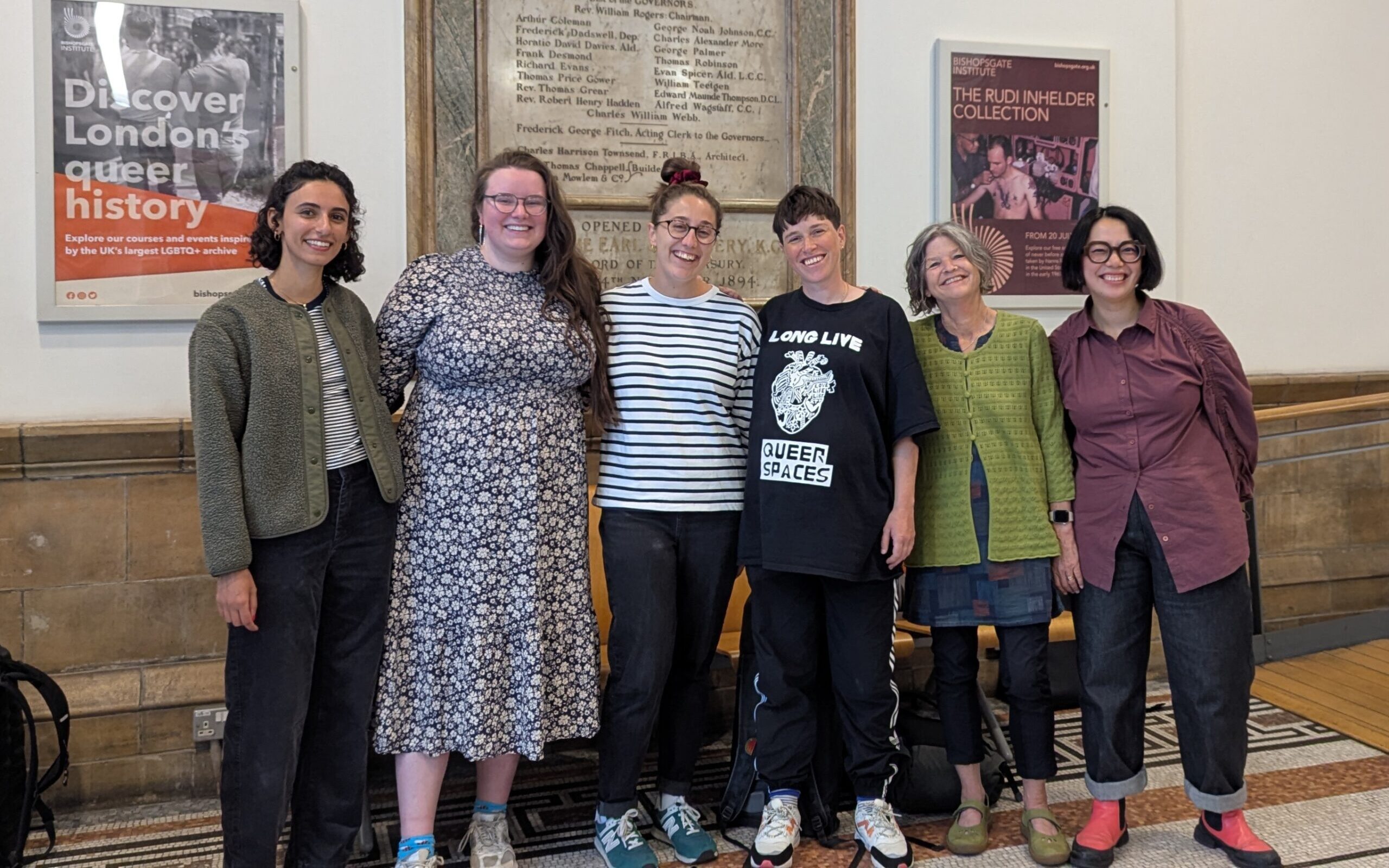
In the final article of this series, our editorial team discuss their findings from an afternoon spent collectively exploring the History Workshop archive.
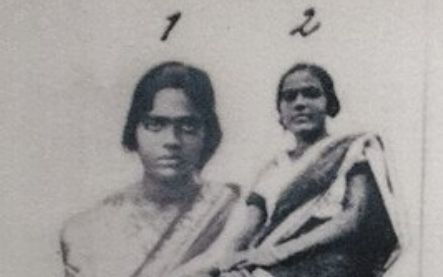
How did radical women navigate Bengal's 'age of fire'? Oyeshi Ganguly explores what oral history can tell us about the female revolutionaries who took up arms against British rule.
How did a protest by a group of women from a Christian anarchist movement inspire a 1960s American folk song? Victoria Peretitskaya explores the origins of the song, the protest and its feminist legacy.
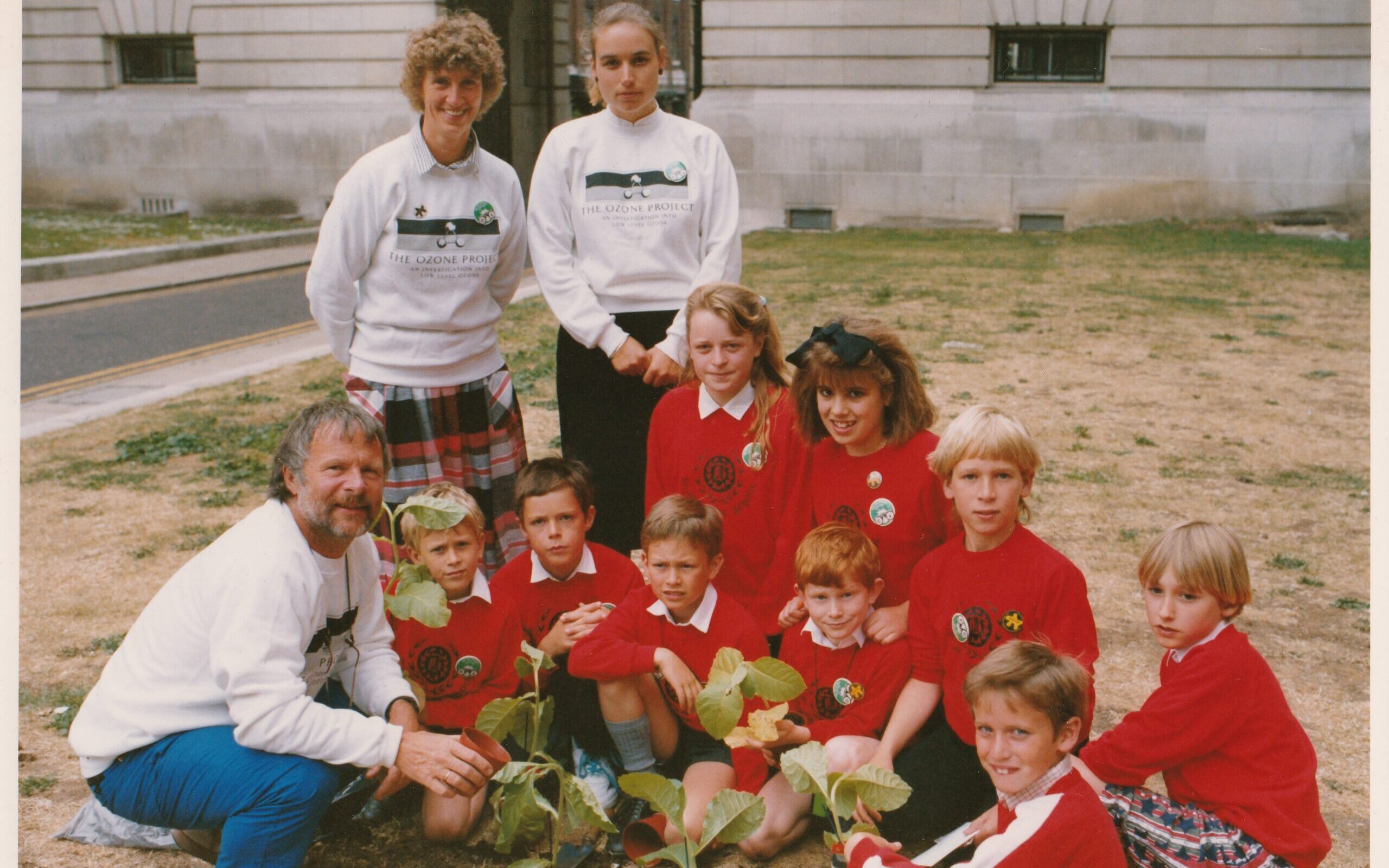
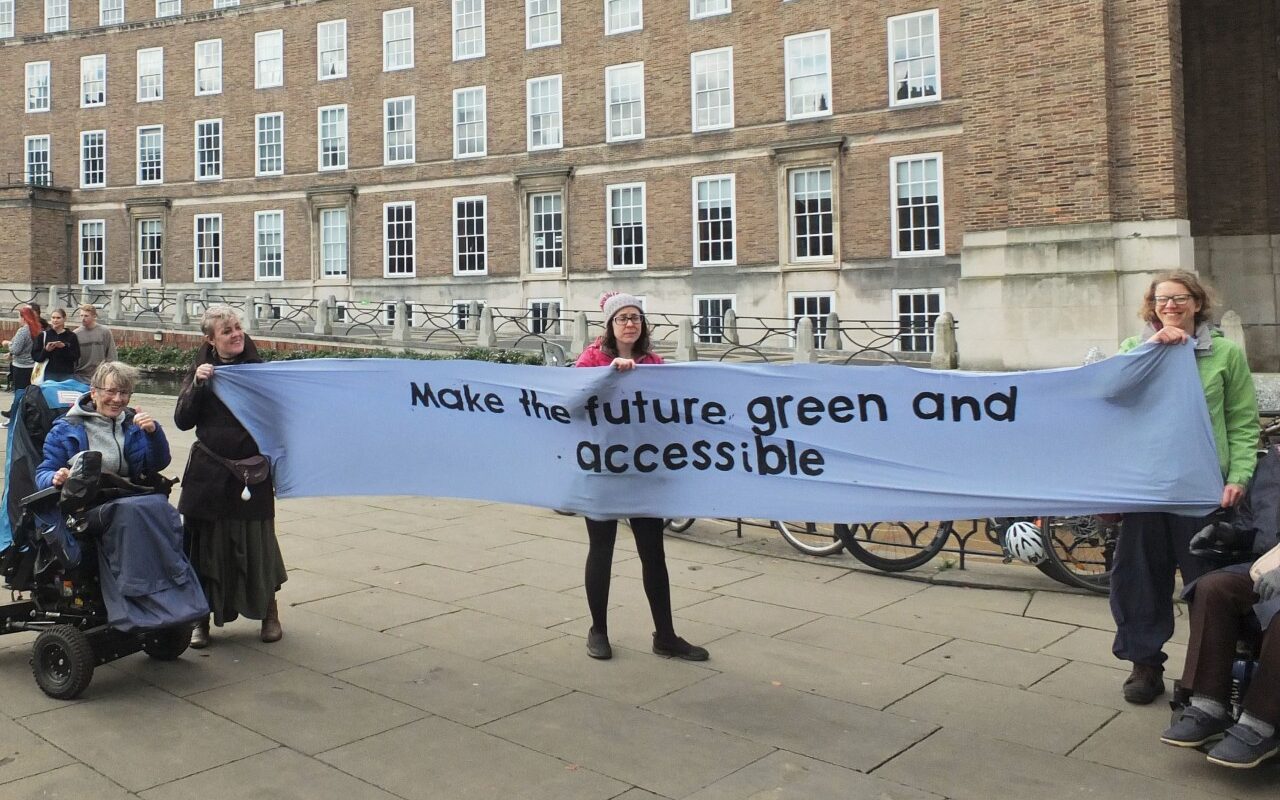
How can we use oral history to capture the diverse history of the UK environmental movement? Barbara Brayshay and Saskia Papadakis introduce the OHEM archive.
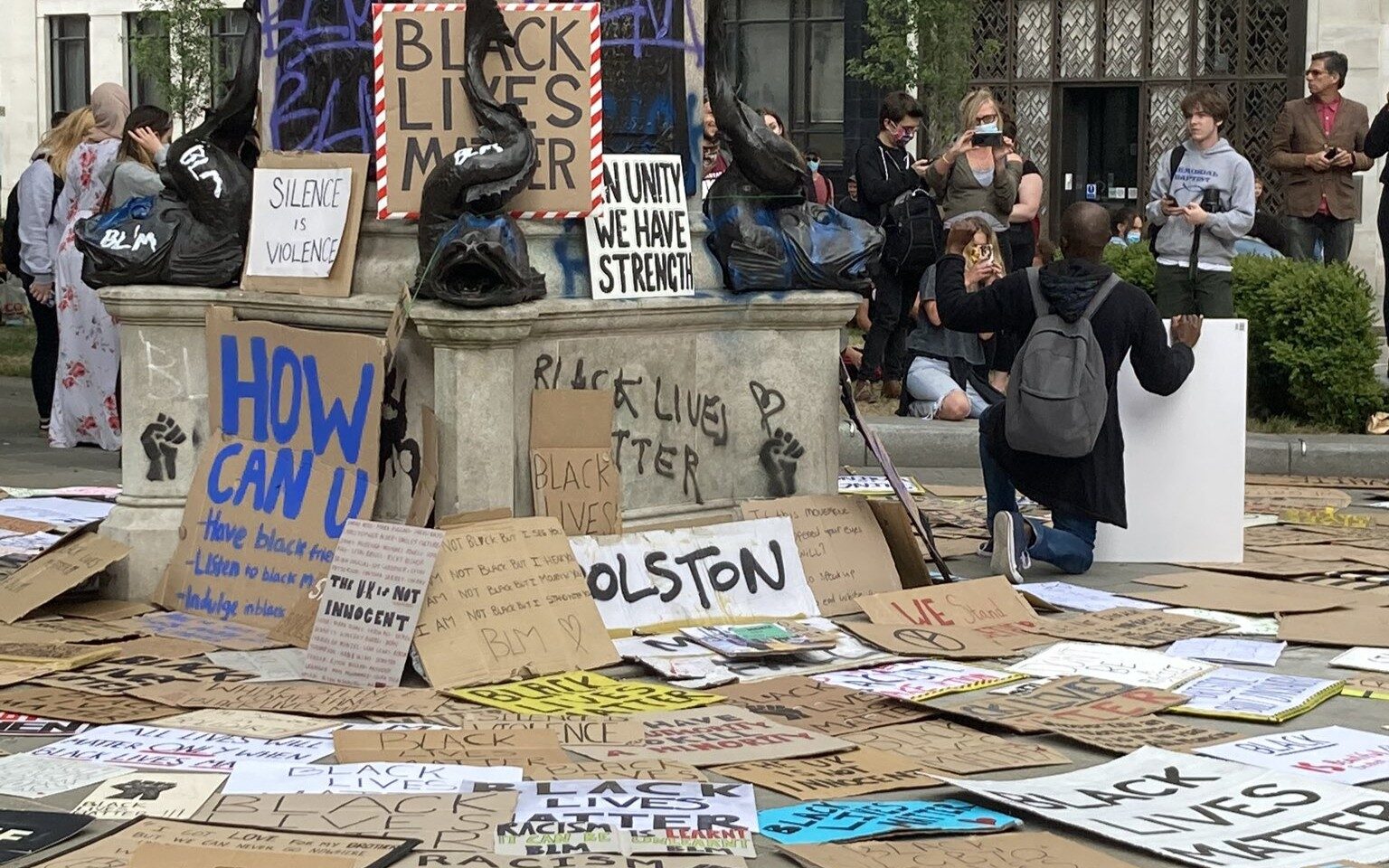
The idea of making amends for slavery has a long genealogy in Britain. Catherine Hall examines this history alongside vital questions of race and repair for our present moment.