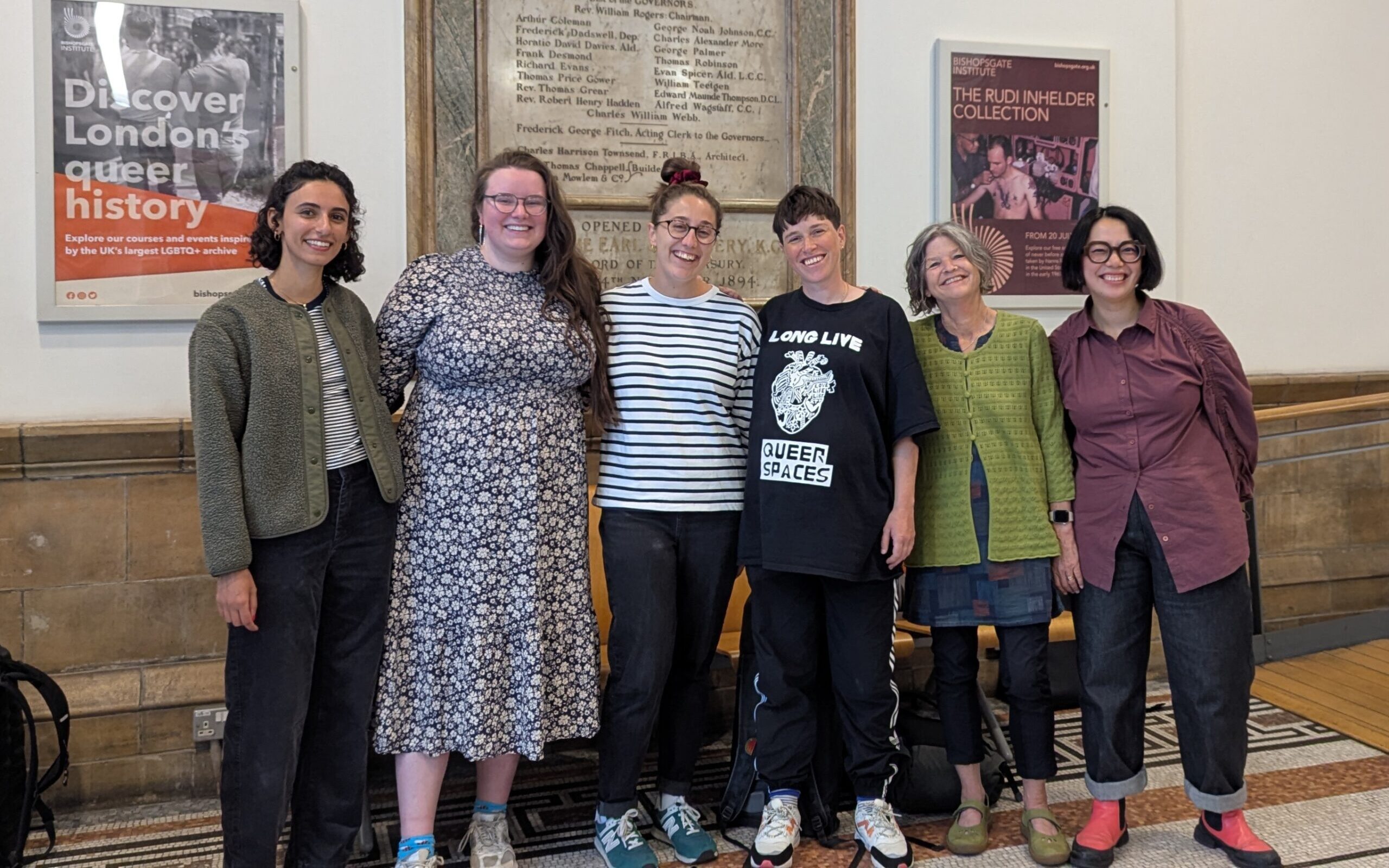
Marybeth Hamilton, Elly Robson, Mary Katherine Newman, Marral Shamshiri, Beckie Rutherford & Vivien Chan
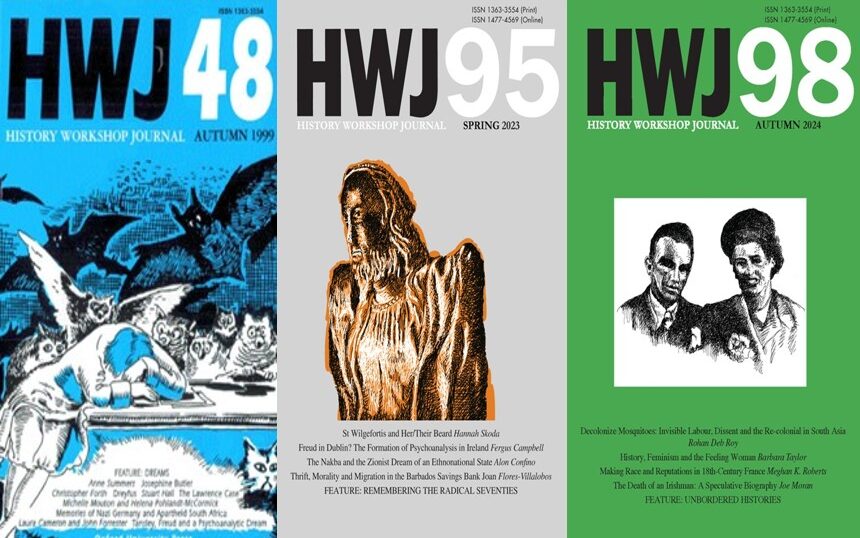
In the final article of this series, our editorial team discuss their findings from an afternoon spent collectively exploring the History Workshop archive.
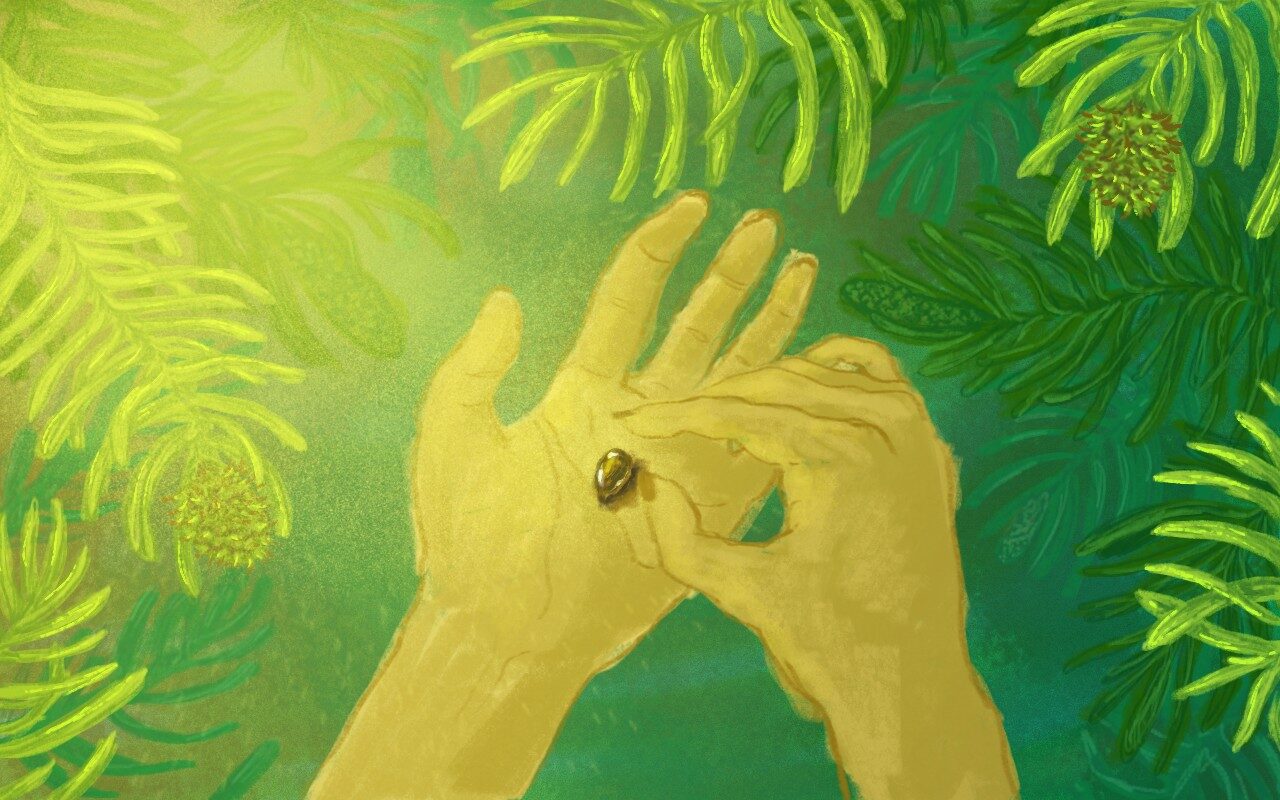
Whose lives count in the modern history of extinction? Sadiah Qureshi considers what historians can learn by paying attention to the remarkable lives of plants.
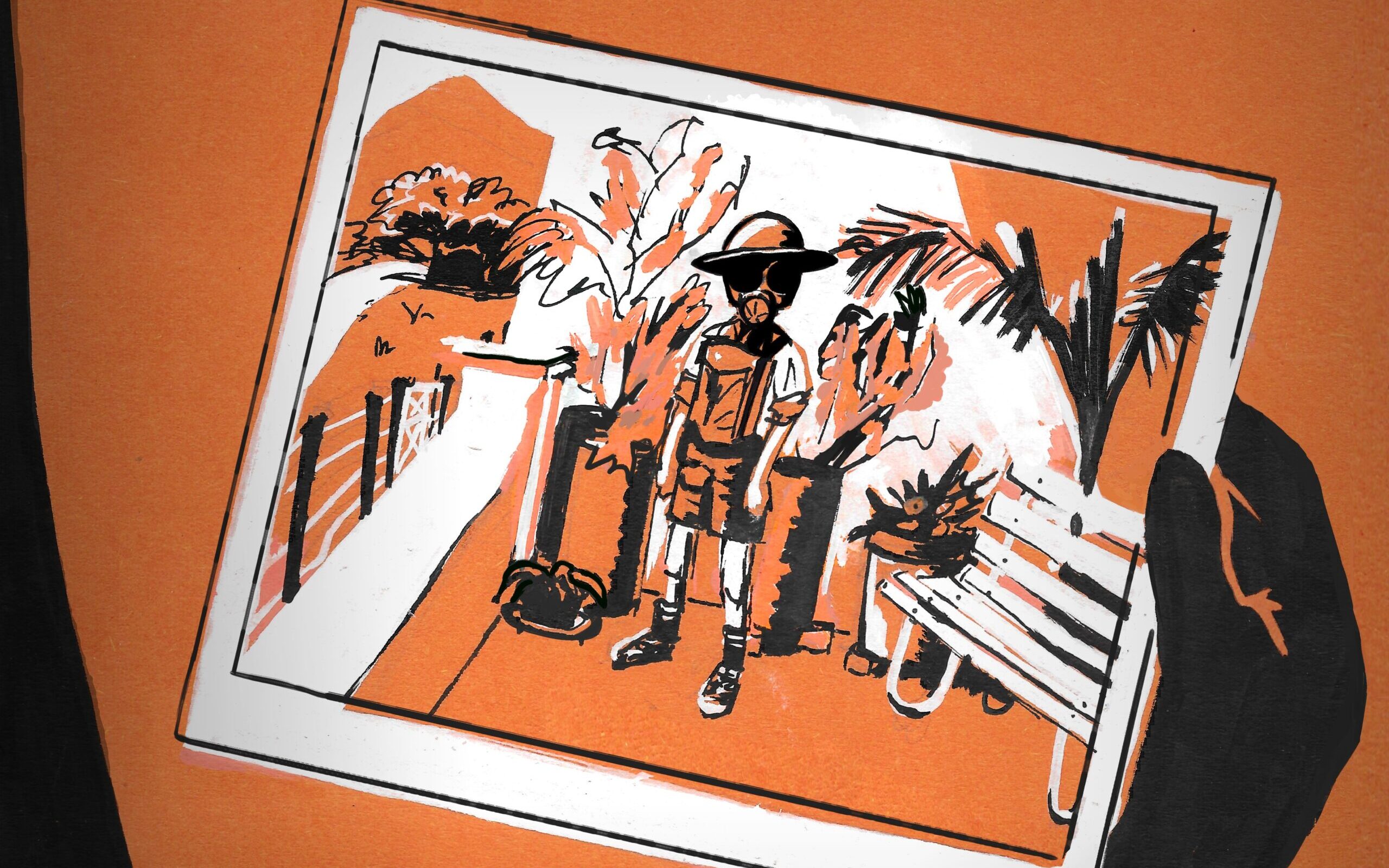
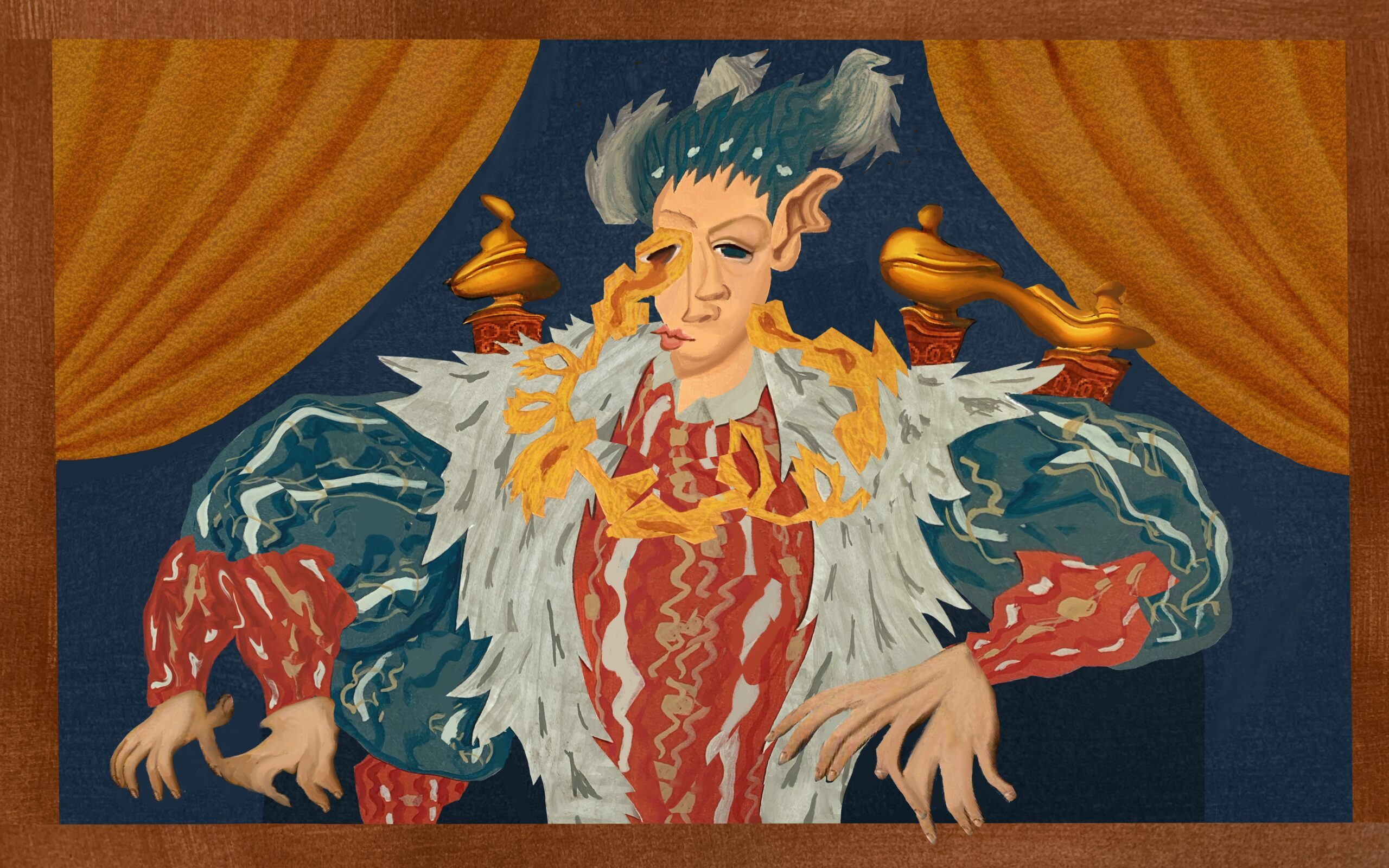
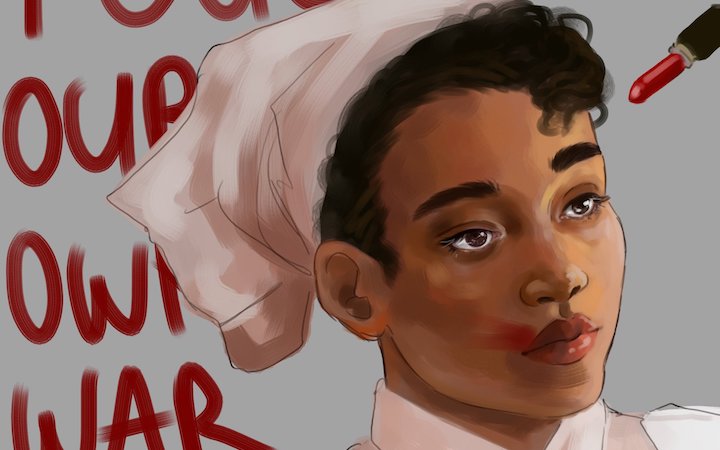
Ten illustration students from Nottingham Trent University consider their personal connections to the past and what it means to practice history from below.
Three of our past and present editors reflect on the ways in which History Workshop Journal has influenced and inspired their practice during their time on the History Workshop collective.
From histories of the French Revolution, to policing in Early Modern England, to LGBTQ+ histories, these reflections highlight HWJ as a valuable resource across many different classrooms.
Does A.I. have the potential to simplify, and ultimately impoverish, our study of the past? Gordon McKelvie considers the recent explosion in A.I. and what it means for historians facing the current Higher Education crisis.
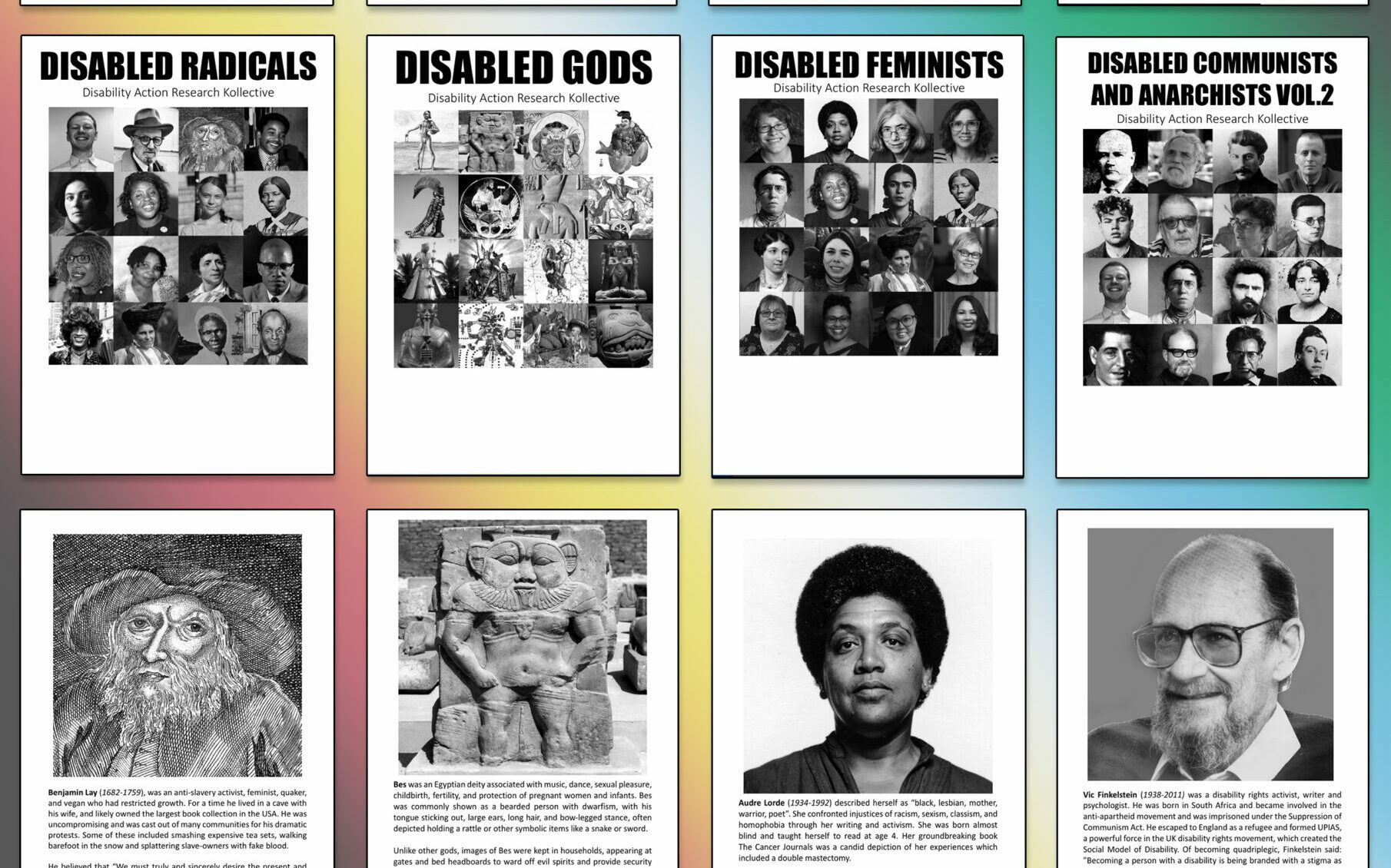
How can zines be used to communicate disability history through a non-medical lens? Richard Amm reflects on the zine-making project run by the Disability Action Research Kollective.
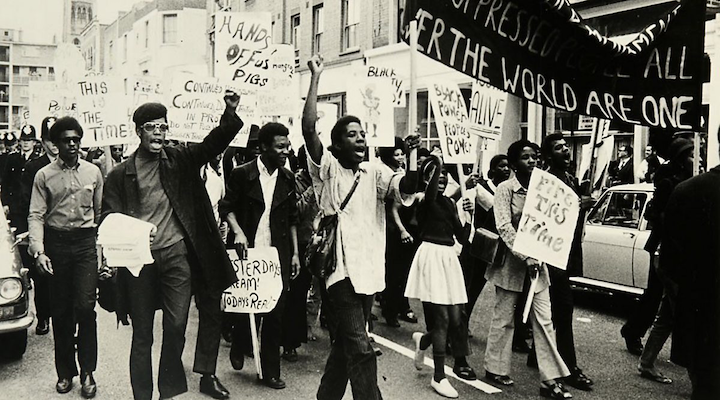
What do anticolonial archives tell us about efforts to decolonise the university today? Malek Abdelkhalek reflects on anti-racism and solidarity in and beyond the classroom.
How have harmful words been used to stigmatise those directly affected by Ireland's institutional history? This piece reflects on the power of language in relation to Irish mother and baby homes.
What has changed - for better and for worse - since the publication of the RHS 2018 report on racial inequalities in UK university History departments?
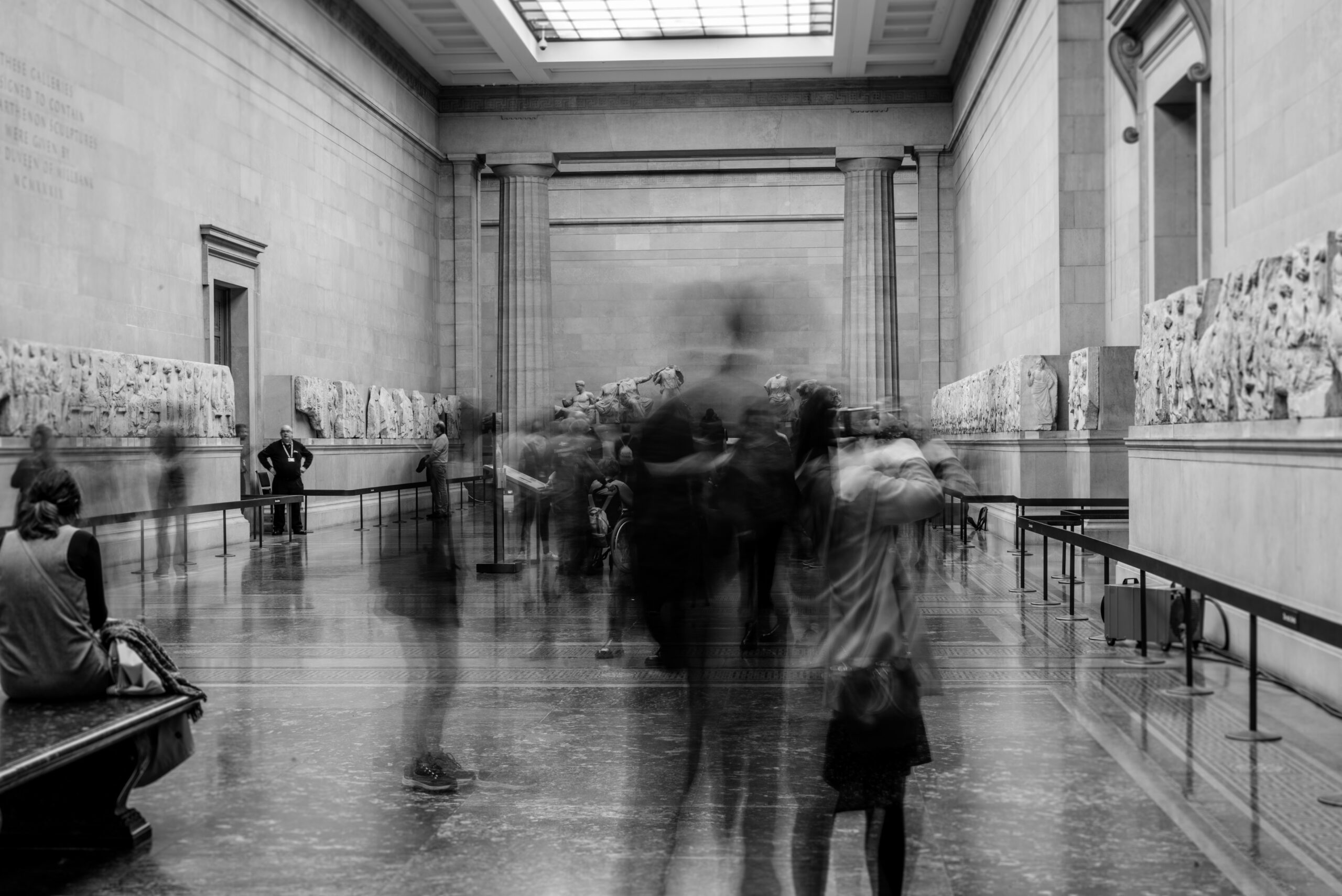
As British museums respond to decolonisation demands, Tobey Ahamed-Barke considers whether their strategies actually address the coloniality of museums.
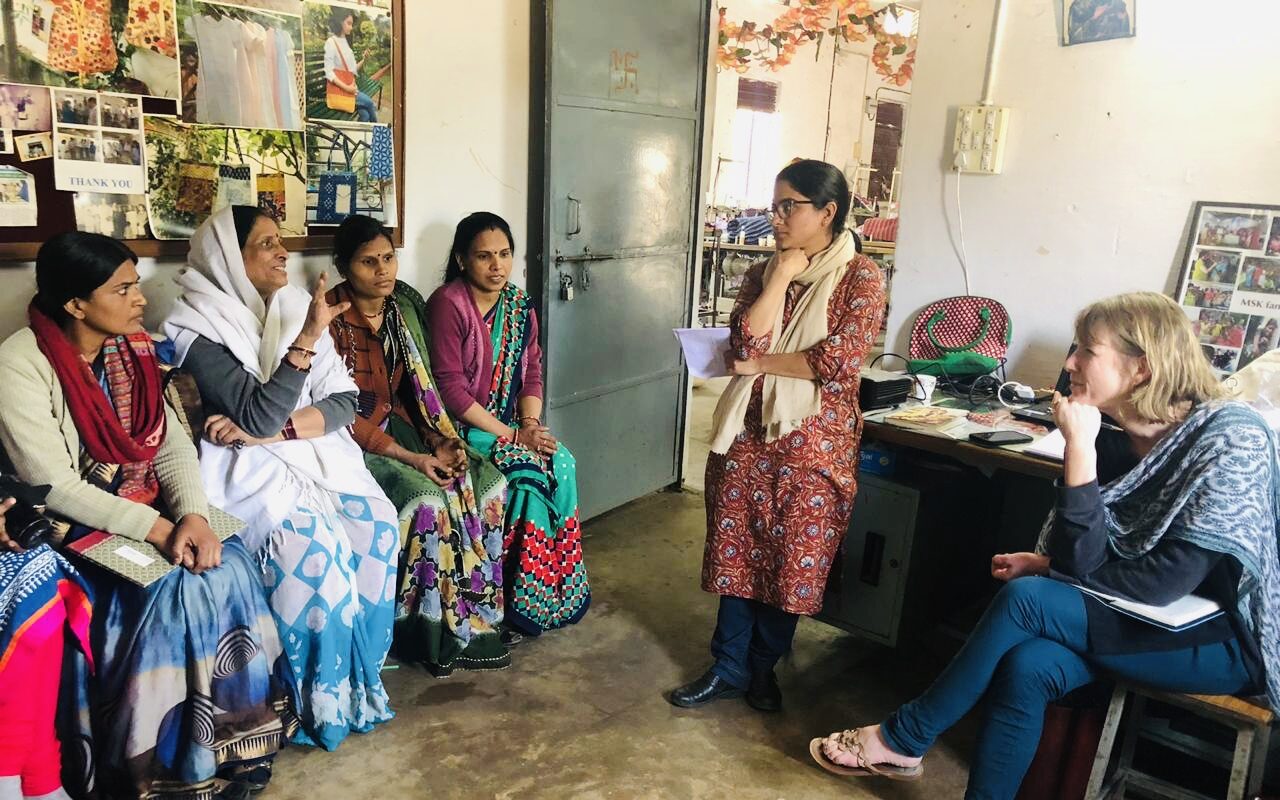
Can a local past be used to inspire women's agency and autonomy in the present day? Siobhan Lambert-Hurley reflects on her collaboration with a local women's group in Bhopal.
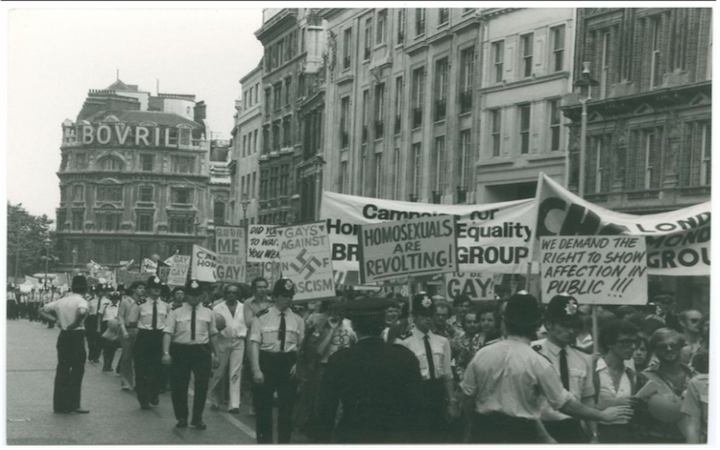
What is gained when 20th century Queer history is brought into the classroom? Claire Holliss discusses her experience of visiting the archive to find sources for her A-Level students.
What does it mean to engage students with difficult, traumatic, messy and complex histories of the British empire and the two world wars? How can we engage with the ‘un-commemorated’, whose names have not appeared on the memorial…
Jason Arday on why interweaving Black history into our curriculum paves the way for a more consistent and informed approach towards addressing structural and institutional racism.
Radhika Natarajan argues that the work of decolonisation is to 'address the relationship between the forms of knowledge we value in the classroom and the inequities and violence that exist on our campuses and in the world.'
Decolonising History teaching and research at SOAS, a London based institution that uniquely teaches only non-Western histories requires an approach that is non-eurocentric but at the same time ensures that local communities and…
Following the ground-breaking Royal Historical Society report on Race, Ethnicity & Equality, one of the Report's co-authors, Jonathan Saha, responds to criticism and calls for change.