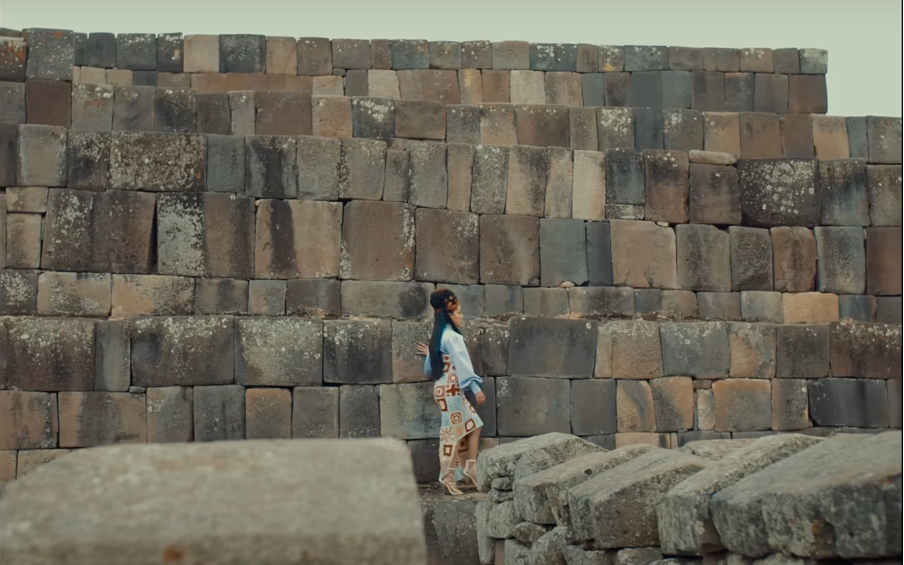
This collaborative conversation, facilitated by Kate Dossett and Simon Popple, reflects on the role of emotions in archives and what institutions can do to support wellbeing in engaged research.
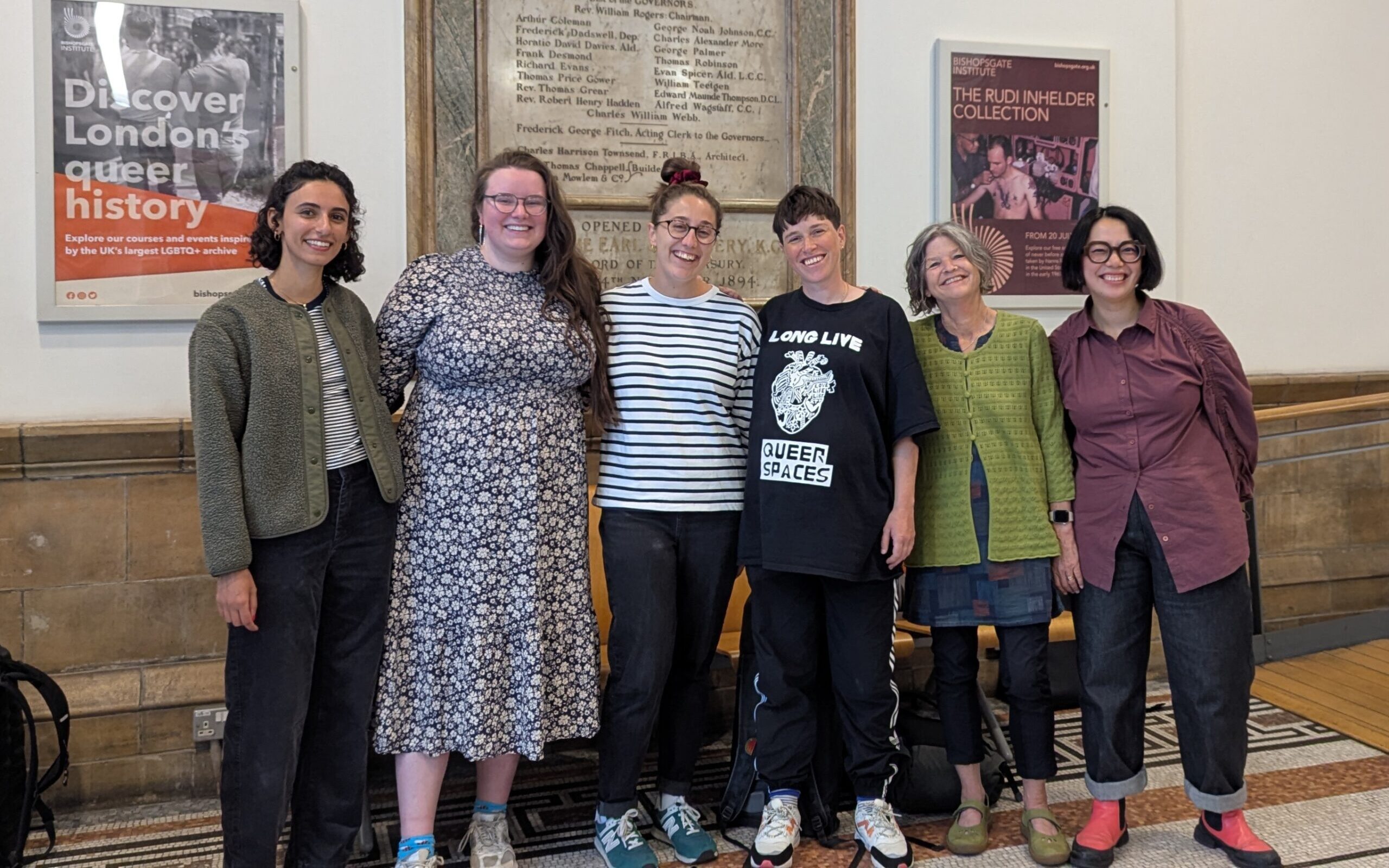
Marybeth Hamilton, Elly Robson, Mary Katherine Newman, Marral Shamshiri, Beckie Rutherford & Vivien Chan
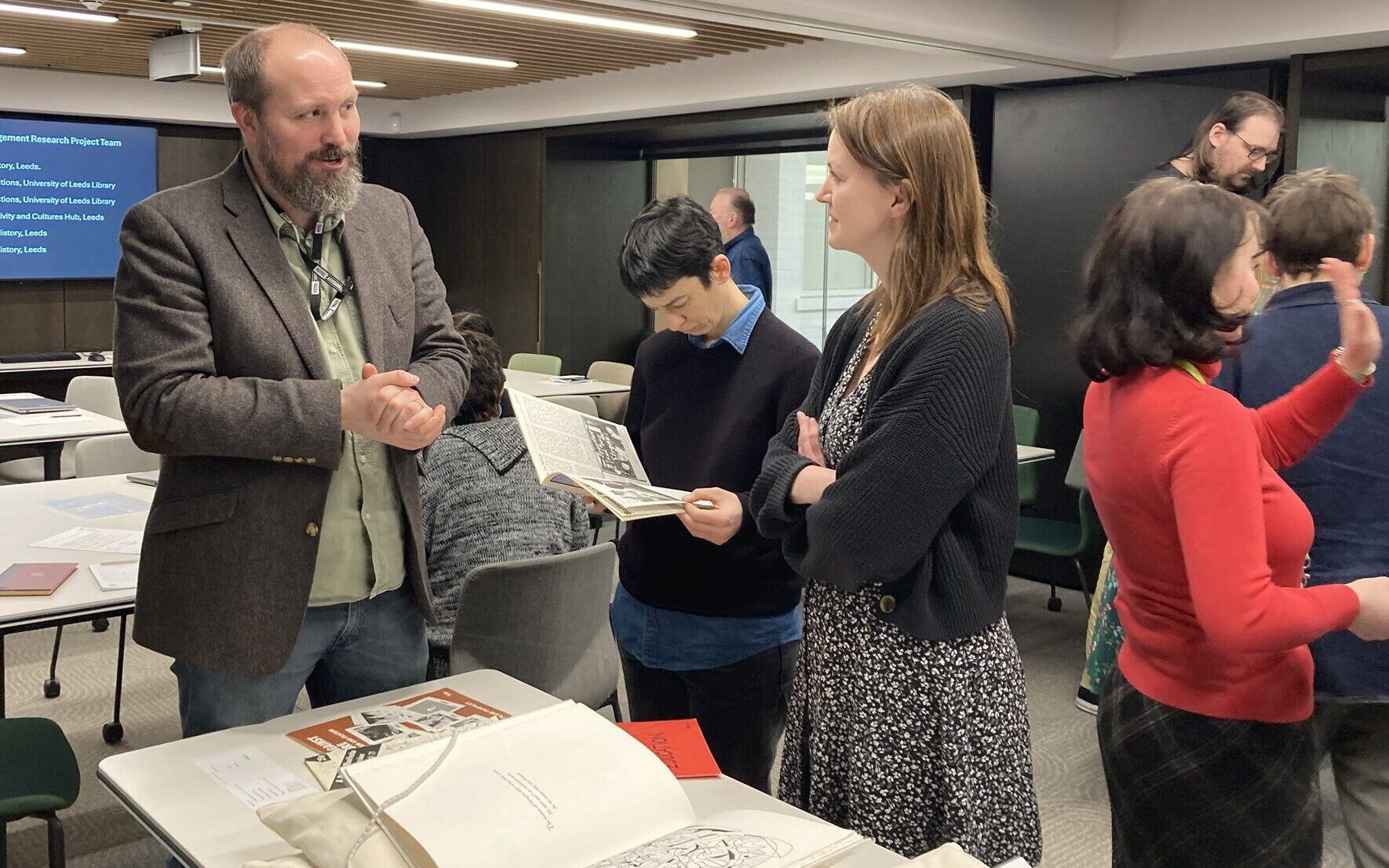
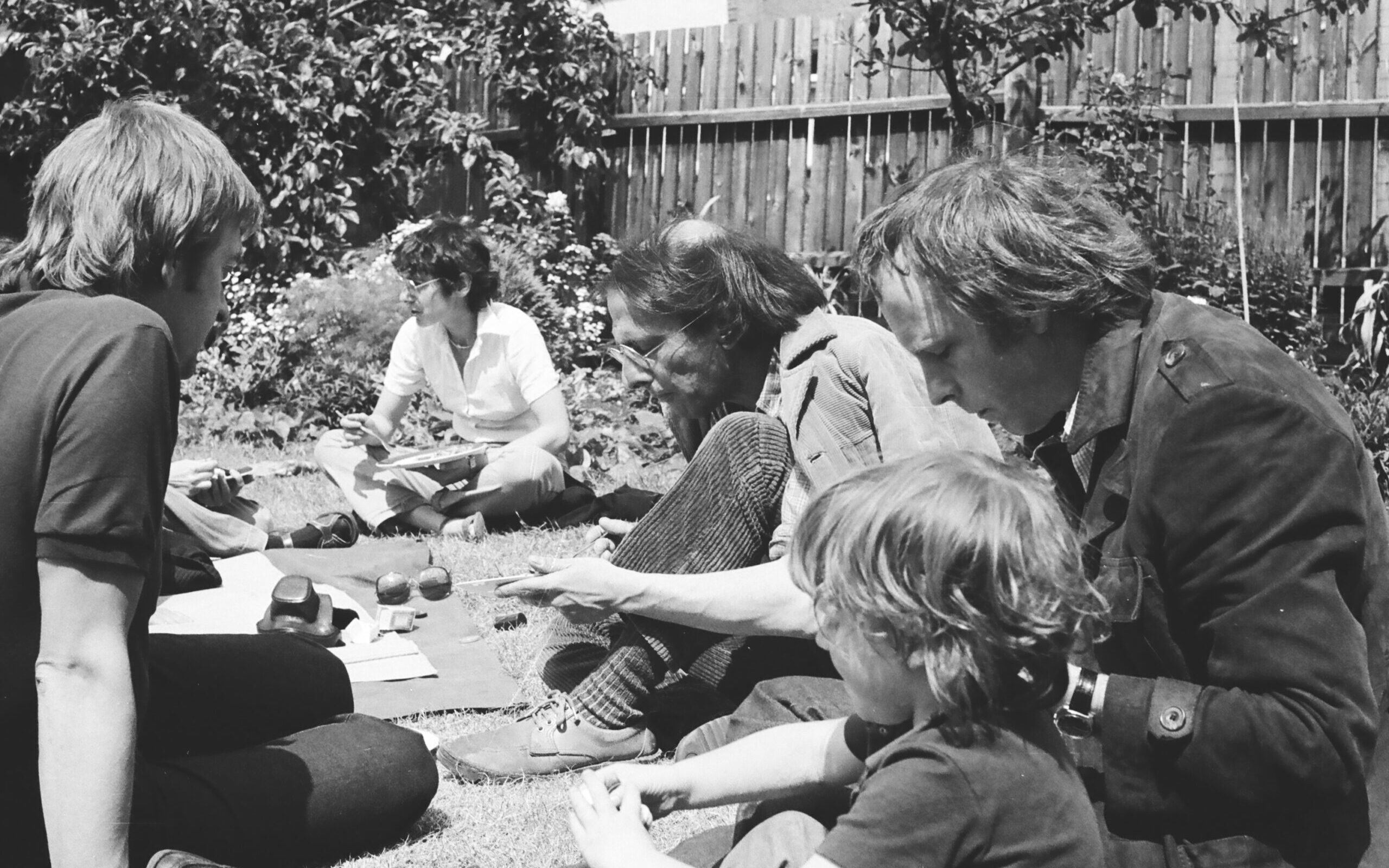
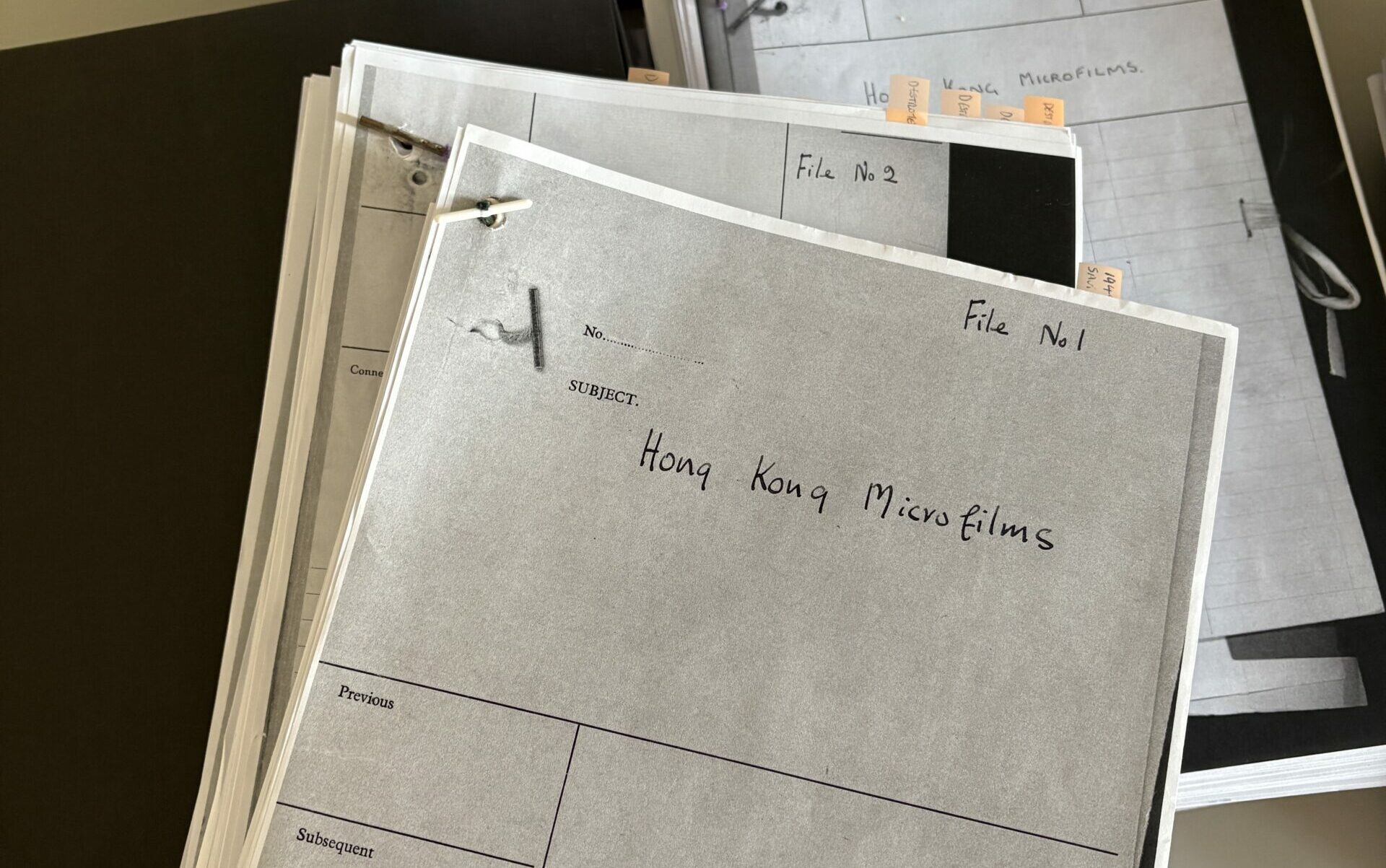
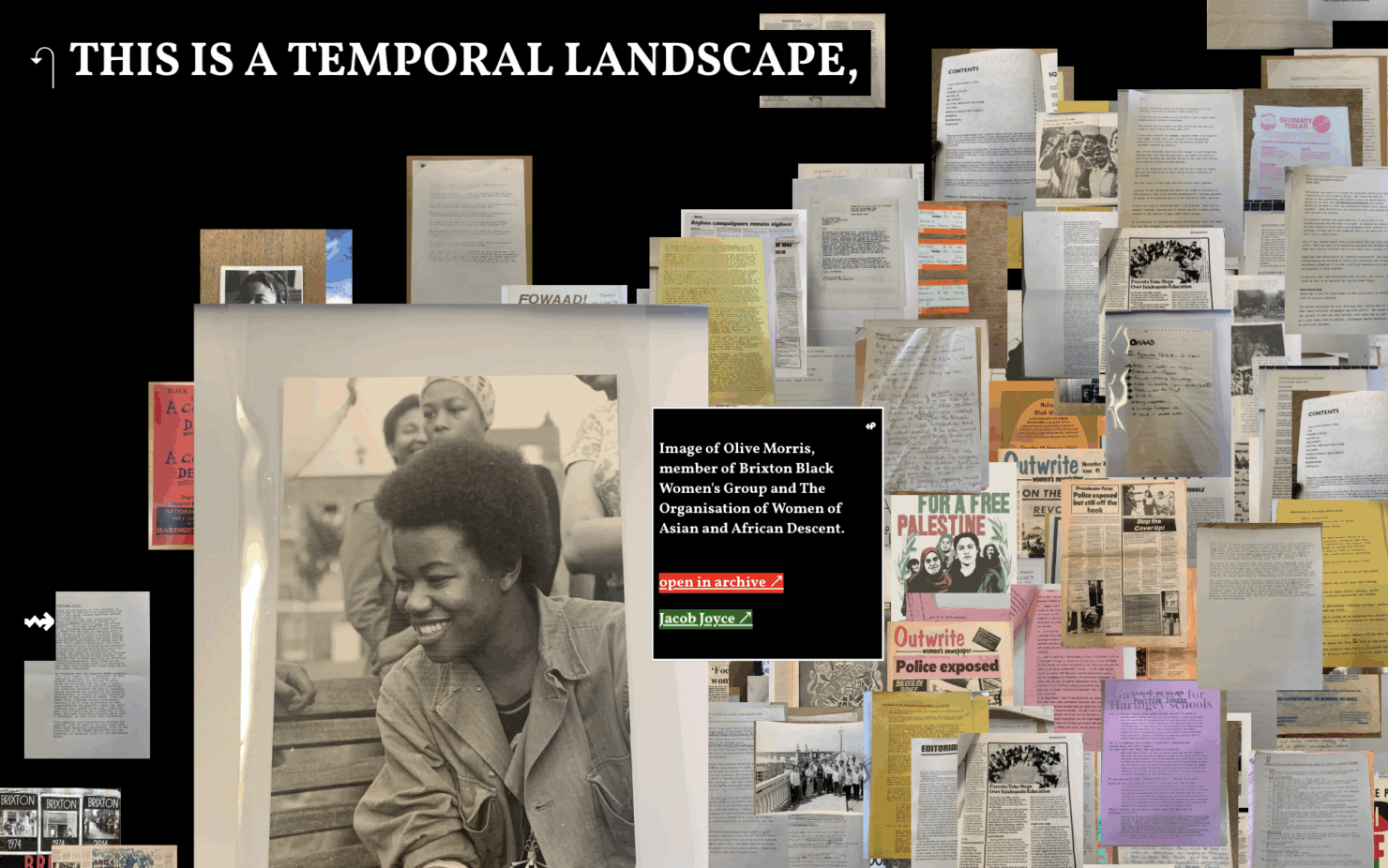
In the final article of this series, our editorial team discuss their findings from an afternoon spent collectively exploring the History Workshop archive.
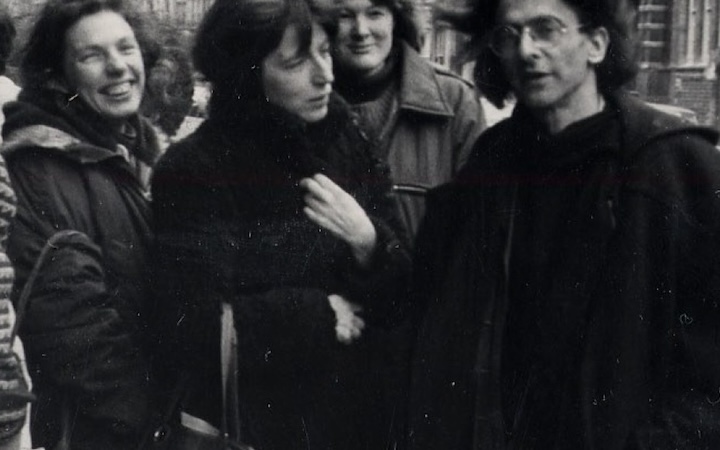
Vivien Chan, Beckie Rutherford, Sally Alexander & Jeffrey Weeks
How did History Workshop Journal's editorial collective sustain its commitment to radical history over fifty tumultuous years? Sally Alexander and Jeffrey Weeks discuss.
Three of our past and present editors reflect on the ways in which History Workshop Journal has influenced and inspired their practice during their time on the History Workshop collective.
From histories of the French Revolution, to policing in Early Modern England, to LGBTQ+ histories, these reflections highlight HWJ as a valuable resource across many different classrooms.
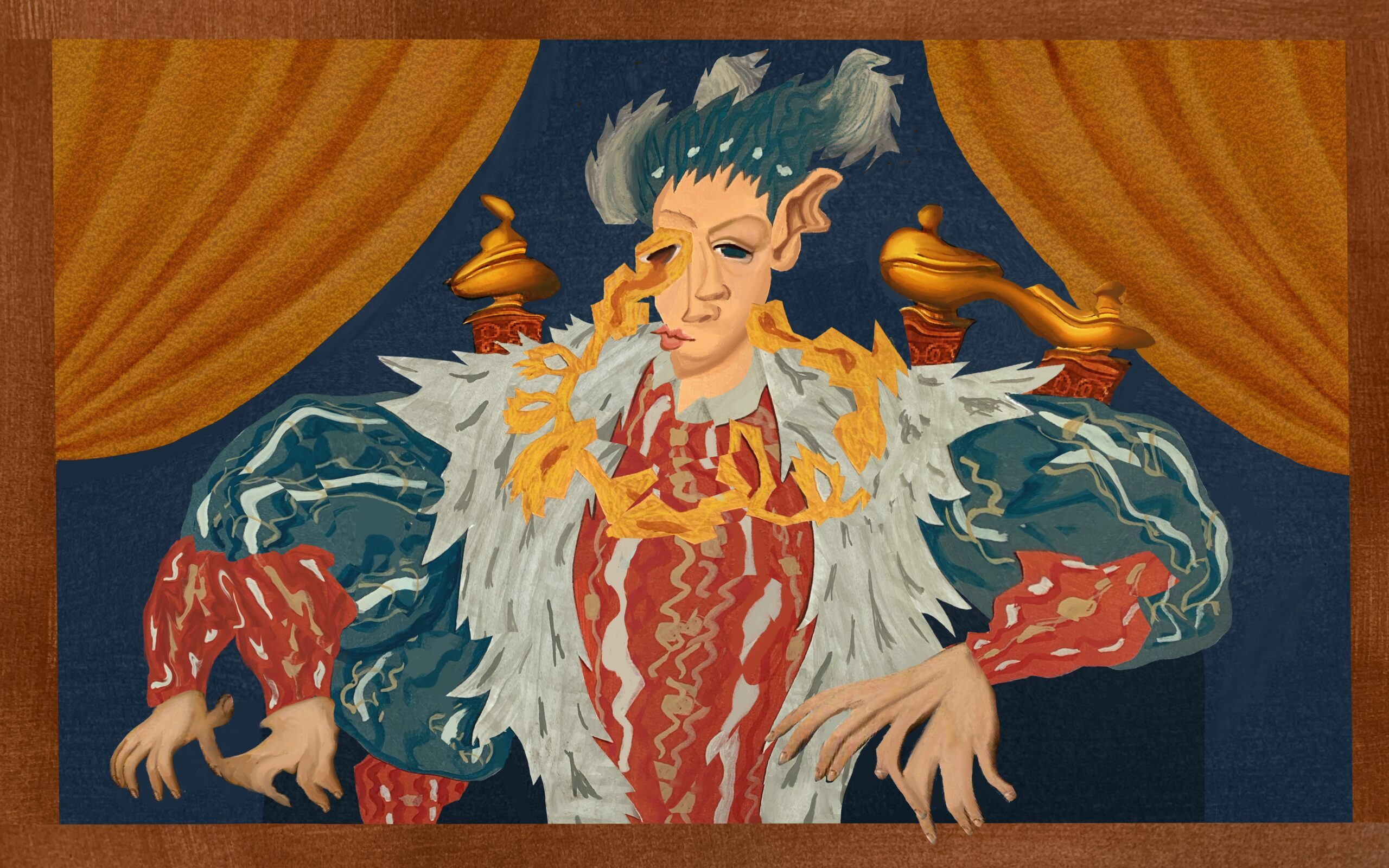
Does A.I. have the potential to simplify, and ultimately impoverish, our study of the past? Gordon McKelvie considers the recent explosion in A.I. and what it means for historians facing the current Higher Education crisis.
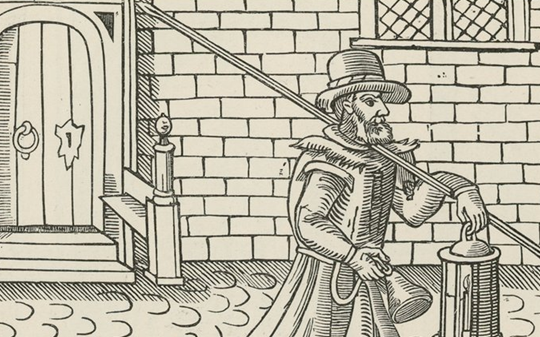
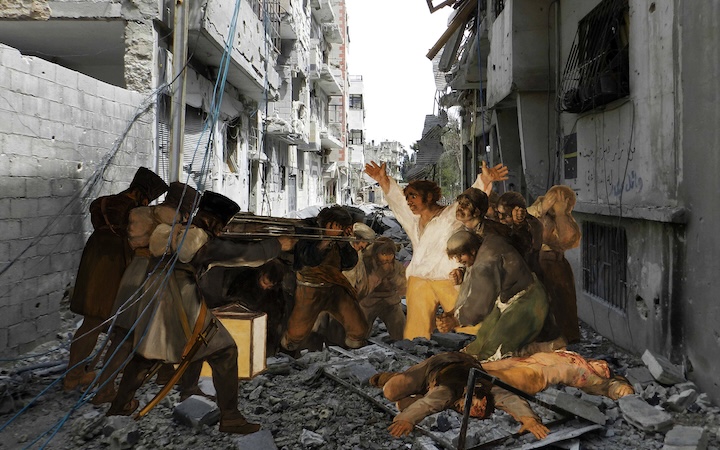
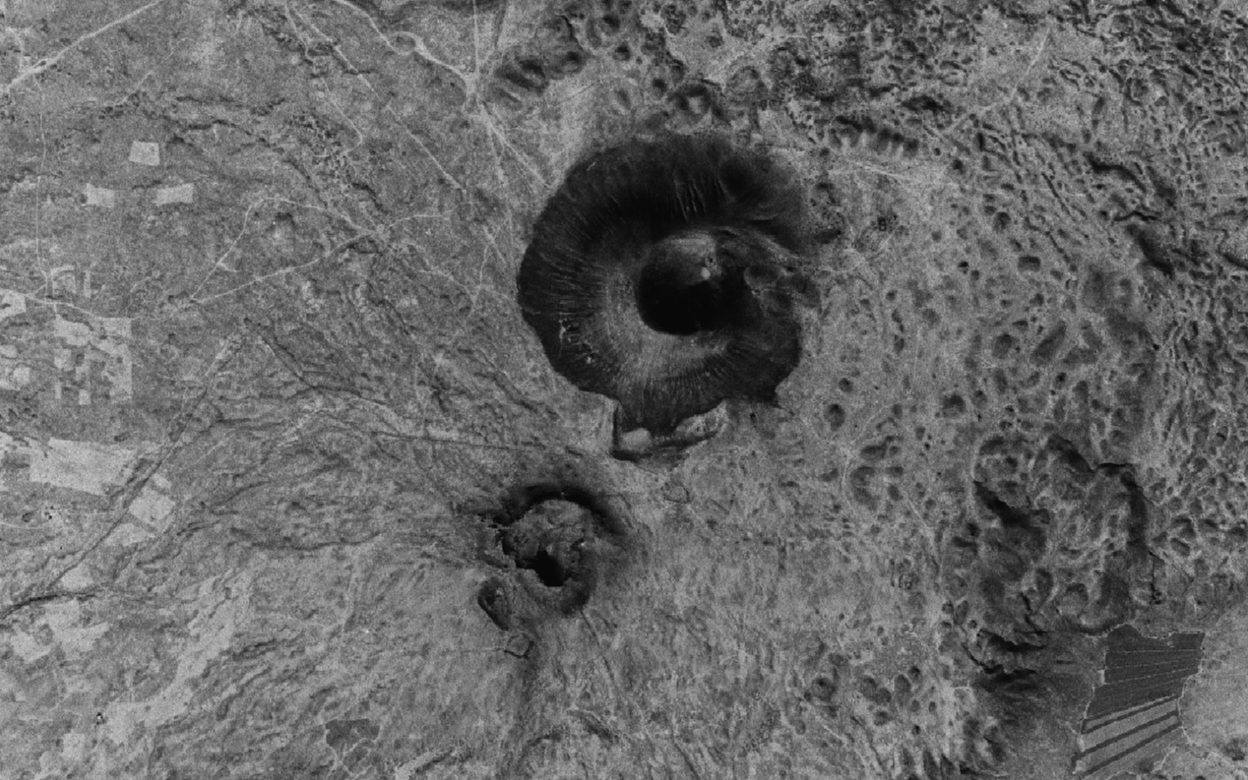
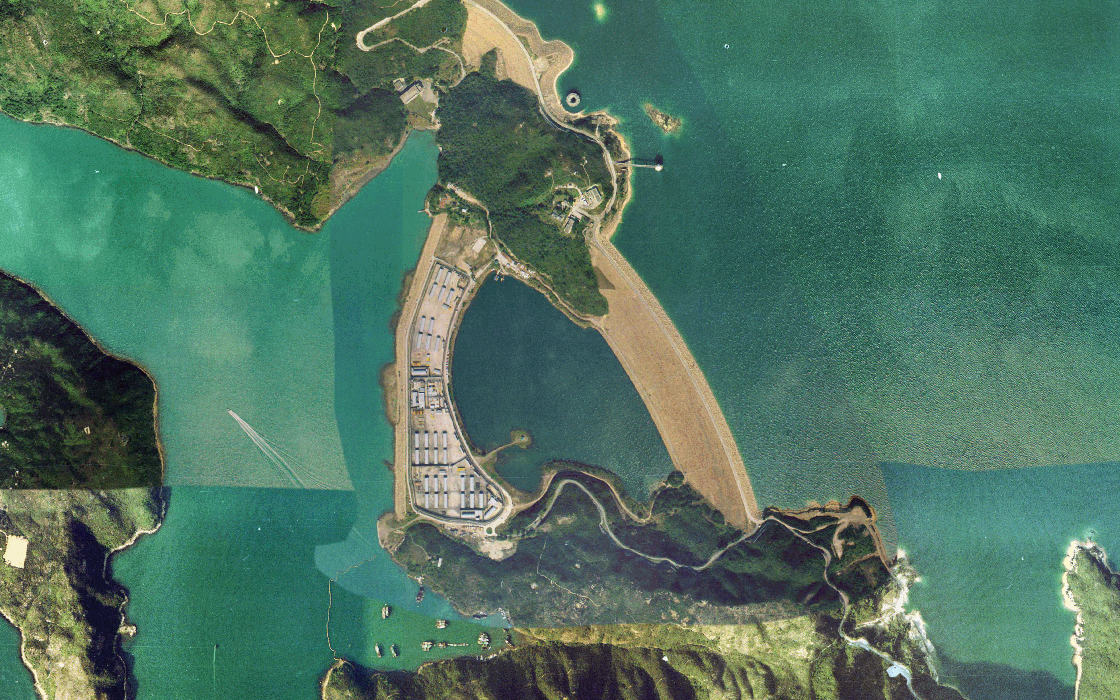
When archaeology served empire, what did it see? Benjamin Thomas White explores the history of aerial archaeology and its relationship with colonial surveillance.
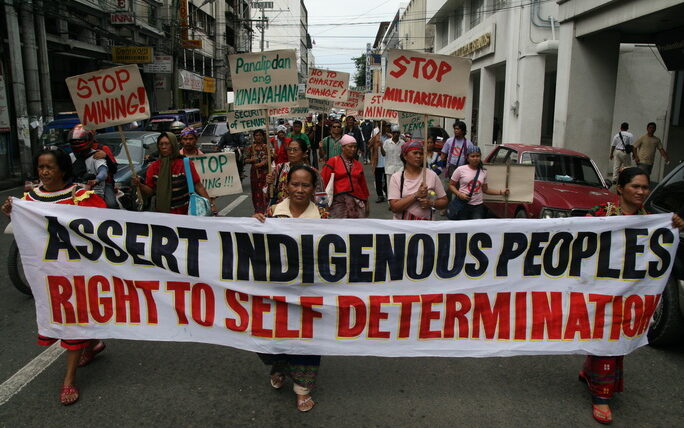
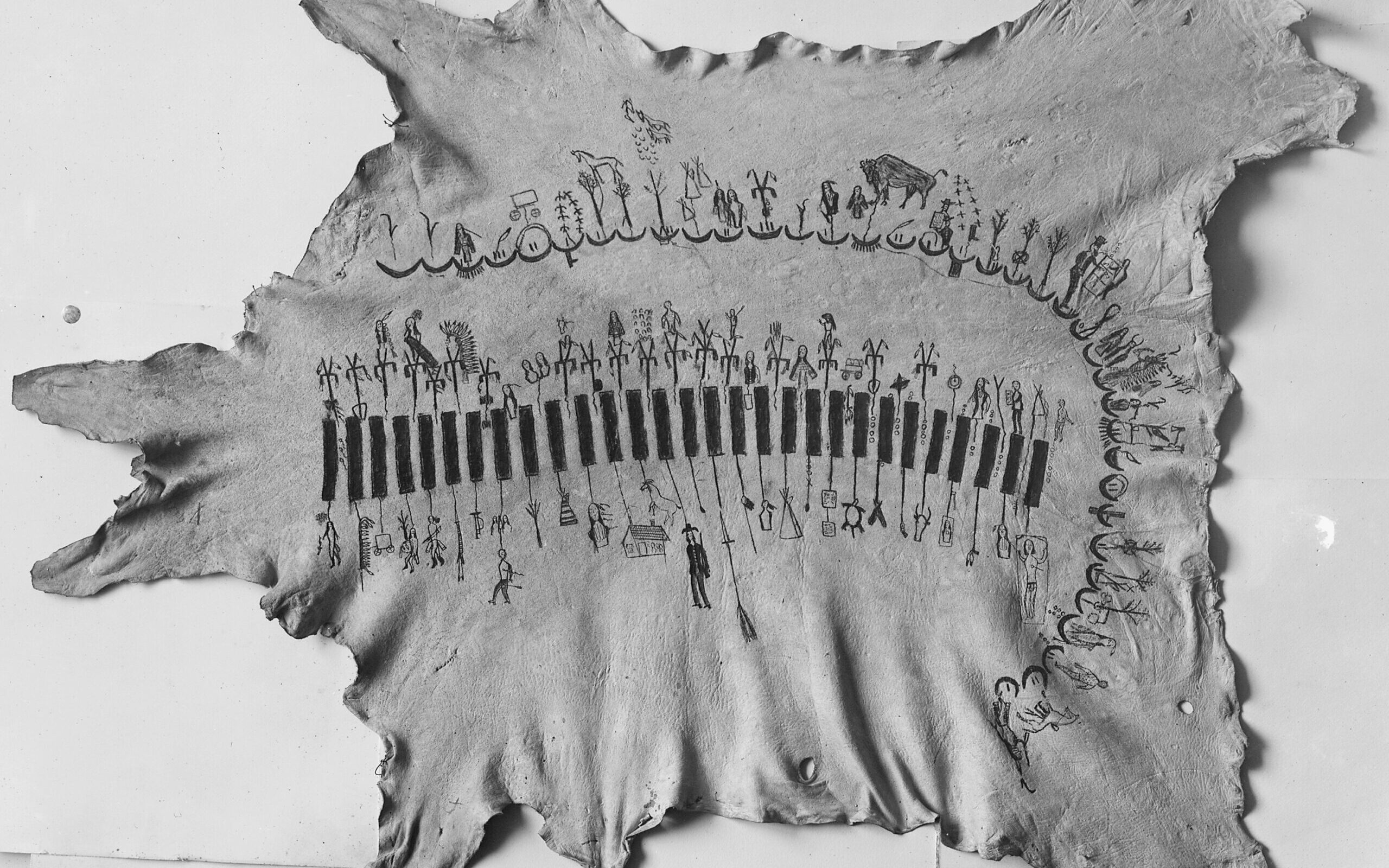
How can we better approach the histories of Indigenous peoples? Mary Katherine Newman introduces a
new History Workshop series on Indigenous historical methods.
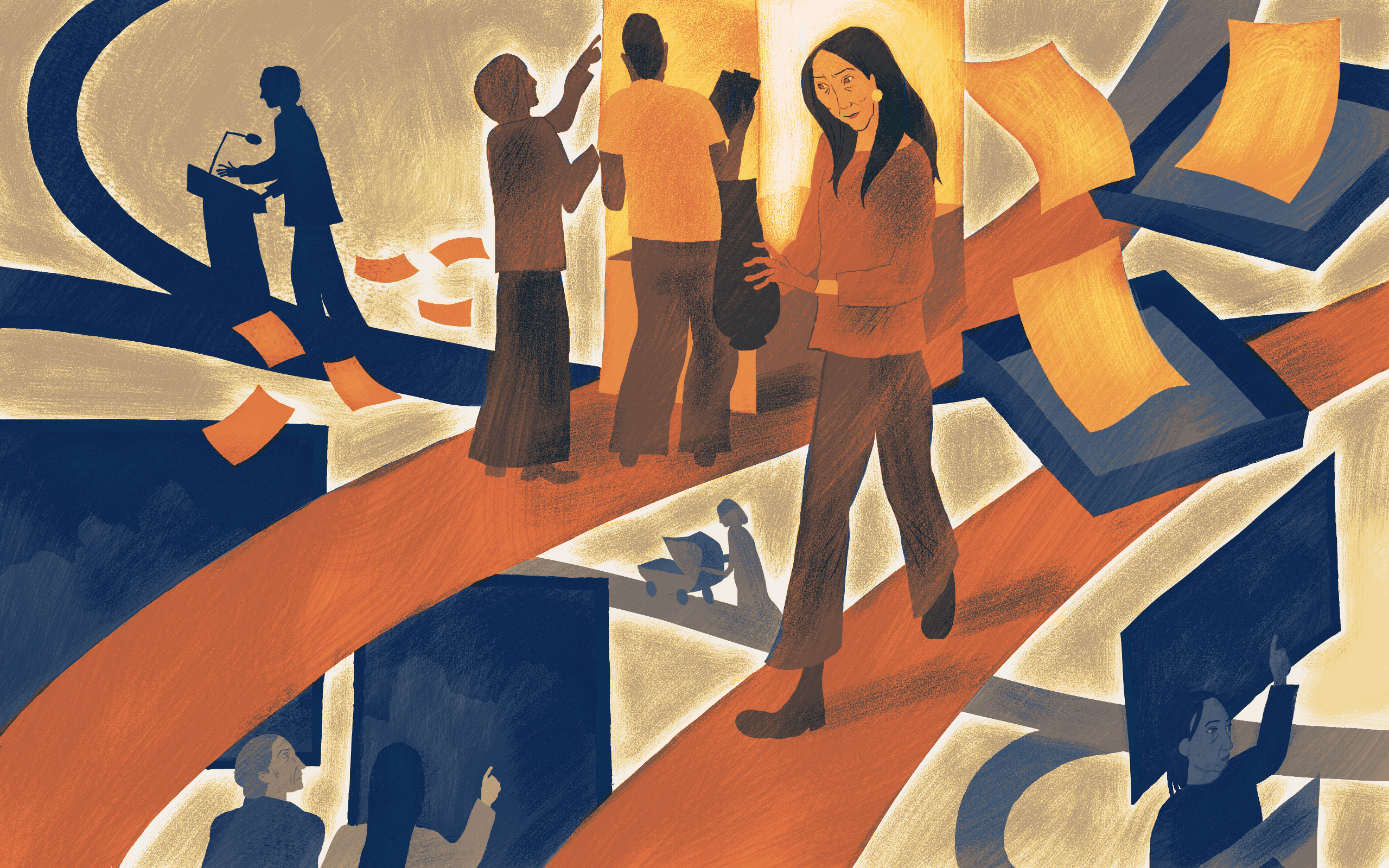
Lucy Noakes on how the crisis in UK higher education is impacting history and historians, and how the Royal Historical Society can advocate for our discipline.