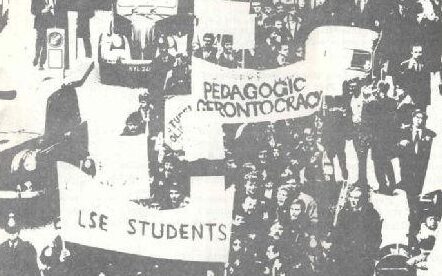
The 1967 LSE sit-in marked Britain's first student occupation of the 1960s. Former student activists Steve Jefferys and Richard Kuper reflect on their experiences and the events that shaped the protest.
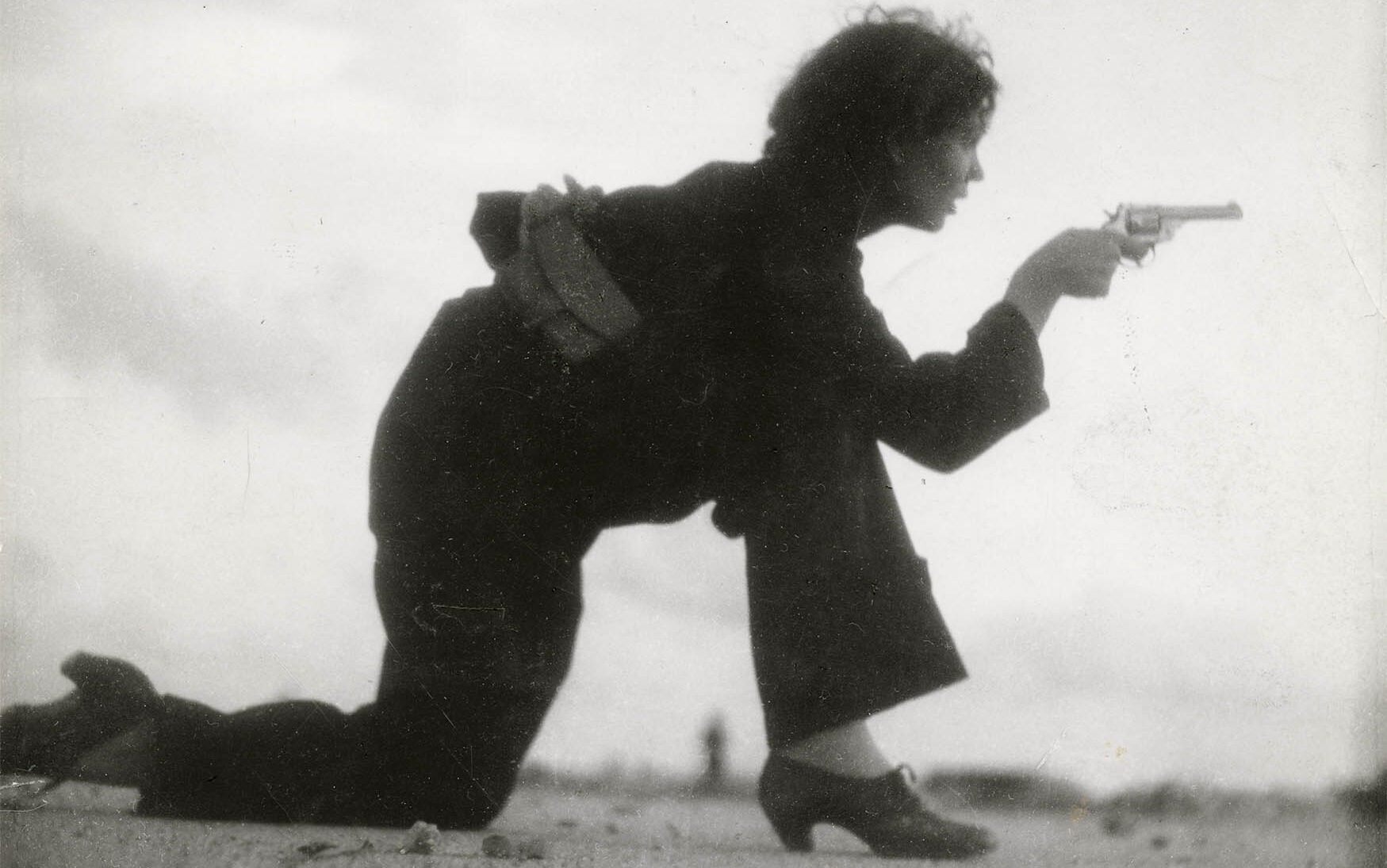
Can broad alliances be built without abandoning progressive ideas? Daria Dyakonova revisits the compromises communist women made in the 1930s over reproductive rights.
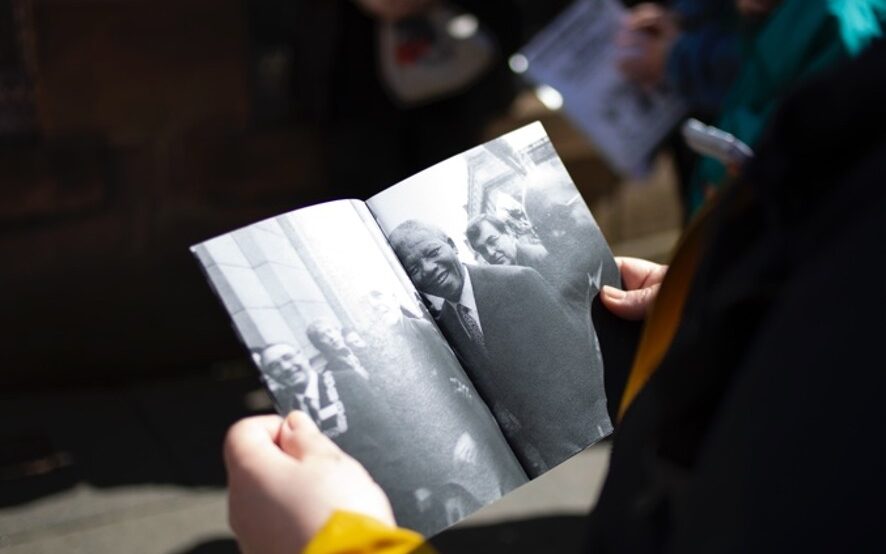
Katherine Mackinnon reflects on the Glaswegian radical print she has collected over the years, and her experience of sharing this with the public on historical walking tours.
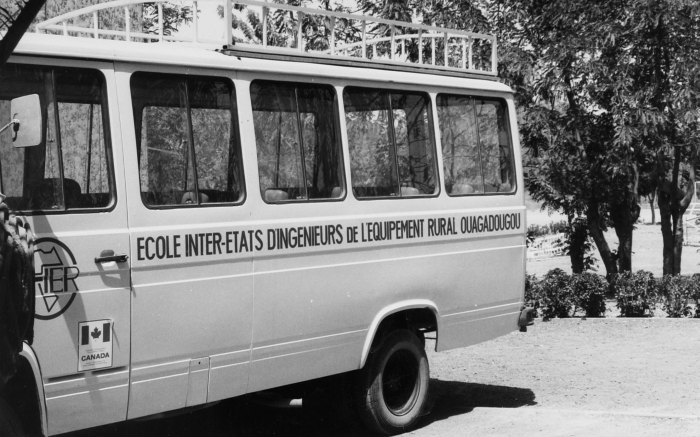
In 1977, the South Korean government agreed to send taekwondo instructors to the West African republic of Upper Volta. Inhae Yap explains what the exchange can tell us about the politics of aid in the Cold War and today.
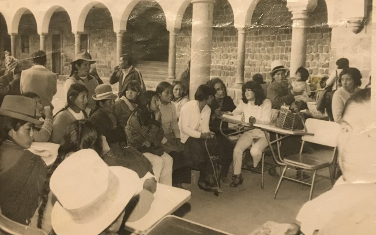
How can processes of political formation shape transformative politics? Mercedes Crisóstomo discusses the experiences of Peru's militante women from past to present.
How have various radical and internationalist traditions attempted to overcome forms of domination and build alternative, emancipatory futures? Marral Shamshiri introduces a new History Workshop series.
What can a Kazakh anti-nuclear movement reveal about forms of peace and internationalism forged from both above and below? Kamila Smagulova on the Nevada-Semipalatinsk campaign.
How did Tanzanian socialist ideas shape the anti-apartheid struggle in the 1970s? Yasmina Martin connects two traditions of African liberation through the ANC's projects of 'self-reliance' in exile.
What can we learn from the lives and legacies of Black radical women? Tionne Alliyah Parris considers how the transnational activism of Claudia Jones, Vicki Garvin and Louise Thompson Patterson offers us a guide to action now.
As repressive legislation to restrict protest is passed in India and Britain, how can we understand its historical roots and how can this inform activism today?
Sixty years after breaking into a government bunker to expose secret state planning for nuclear conflict, Nic Ralph speaks for the first time about an extraordinary piece of direct action that genuinely worked.
What does 'history from below' looking like in the Philippines? In this piece Justin Umali reflects on communities finding their "historical place" in a narrative.
How did housing activism support the fight against fascism and anti-semitism in the late 1930s? Sarah Glynn investigates a wave of rent strikes in London's East End and beyond
Should Friedrich Engels be reappraised as a radical historian for our times? To mark #Engels200, the bicentenary of Engels' birth, Christian Høgsbjerg assesses the revolution in historiography that he helped to foment.
In October 1945, delegates from across the world gathered in Chorlton-on-Medlock Town Hall, half a mile south of St Peter’s Field, to take part in the Fifth Pan-African Congress.
In July 1840 a convention of twenty-three delegates met at the Griffin Inn, Great Ancoats Street, Manchester. Elected by Chartist bodies from across Britain, their purpose was to put together a plan for reorganising the movement following a…